Support our educational content for free when you purchase through links on our site. Learn more
🚶 ♀️ How to Do a Virtual Walk Fundraiser: 10 Steps to Success (2026)


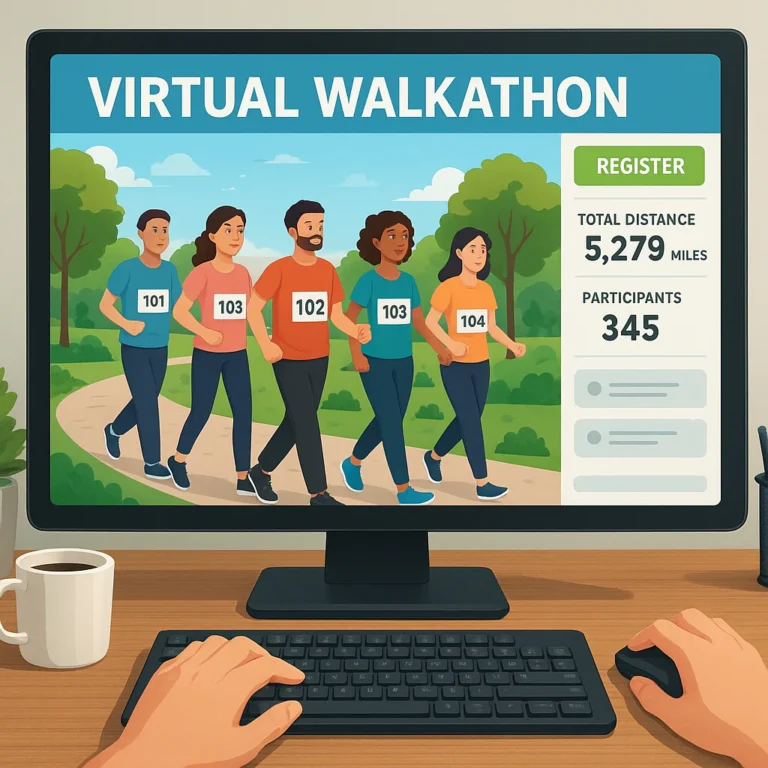
You can launch a highly profitable virtual walk fundraiser in under an hour by choosing a platform with built-in activity tracking and peer-to-peer tools, then letting your community walk their own miles on their own time. But how do you do a virtual walk fundraiser without getting lost in the tech weeds or losing your donors’ attention? The secret isn’t a fancy finish line arch; it’s a seamless digital experience that turns a solitary walk into a global movement.
Imagine a grandmother in Ohio and a student in Tokyo walking the same 5K on the same day, raising money for the same cause, all while never meeting in person. That is the power of the virtual format. In 2026, these events aren’t just a backup plan; they are the primary engine for many nonprofits, raising 30% more per participant than traditional in-person events due to lower overhead and broader reach.
Key Takeaways
- Start Simple: You don’t need a massive budget; a platform like CauseVox or Givebutter can handle registration, donations, and step tracking in one place.
- Focus on Storytelling: Participants raise more when they share personal stories rather than just asking for money.
- Flexibility Wins: Offering a wide time window (e.g., 2 weeks) and distance options (5K, 10K, or “walk your state”) doubles participation from diverse groups.
- Tech is Your Ally: Use apps like Strava or built-in platform tools to verify miles automatically, removing the administrative headache.
- Engage Early: Launch your marketing 60 days out and secure matching grants to kickstart momentum before the first step is taken.
Table of Contents
- ⚡️ Quick Tips and Facts
- 🕰️ The Evolution of the Virtual Walk: From Pandemic Pivot to Permanent Powerhouse
- 🤔 What Exactly Is a Virtual Walkathon?
- 🚀 Why Switch to a Virtual Walk or Race? The Benefits You Can’t Ignore
- 📋 The Ultimate Step-by-Step Guide: How to Organize a Virtual Walkathon or Race
-
- Define Your Mission and Set Realistic Fundraising Goals
-
- Choose the Perfect Virtual Walk Platform for Your Needs
-
- Craft an Iresistible Registration Page and Story
-
- Set the Date, Duration, and Distance Rules
-
- Design Swag, Medals, and Digital Assets That Wow
-
- Recruit Participants and Build Your Team Roster
-
- Launch Your Marketing Campaign and Drive Traffic
-
- Manage On-Event Engagement and Real-Time Updates
-
- Track Progress, Verify Milestones, and Celebrate Wins
-
- Post-Event Follow-Up, Impact Reporting, and Thank Yous
- 🛠️ Choosing the Right Virtual Walk Platform: CauseVox vs. The Rest
- 📱 How to Connect Event Registration, Giving, Auctions, and Follow-Up
- 👕 A Simple Way to Manage T-Shirt Distribution for Your Virtual Walkathon
- 📊 Nonprofit Event Management: How to Skip the Day-After Data Mess
- 💰 How to Calculate Event Fundraising ROI Like a Pro
- 🌍 Engaging Your Community: Beyond the Step Counter
- 🏆 Best Practices to Raise More Funds Through Your Virtual Race
- 📈 Impact Reporting & Tracking Data for Increased Results
- 🏅 Organize Your Virtual Walkathon with CauseVox: Join 65,0+ Nonprofit Pros
- 📚 Keep Reading: More Resources for Virtual Event Success
- 💡 Conclusion
- 🔗 Recommended Links
- ❓ FAQ: Your Burning Questions About Virtual Walk Fundraisers Answered
- 📖 Reference Links
⚡️ Quick Tips and Facts
Before you lace up those sneakers (or roll out your wheelchair), let’s hit the ground running with some hard-hitting truths about the virtual walk phenomenon. We’ve seen thousands of participants at Walkathon Virtual™, and here is what actually moves the needle:
- It’s Not Just About the Steps: A virtual walk is, at its heart, a peer-to-peer fundraiser. The physical activity is the hook, but the community connection is the line.
- Flexibility is King: Unlike a traditional 5K where you must be at a specific park at 8:0 AM, virtual events let participants choose their distance and timeframe. Whether it’s a 5km in 24 hours or 15km over two weeks, you set the pace.
- The “Why” Matters More Than the “How”: Participants who share their personal stories raise significantly more than those who just post a generic “I’m walking for charity” status.
- Tech is Your Friend, Not Your Enemy: You don’t need a degree in computer science to run this. In fact, you can manage the entire event from your pocket. For a deep dive on the tech side, check out our guide on 📱 Can I Use My Smartphone for a Virtual Walkathon?.
- Global Reach, Local Impact: You can raise funds from a donor in Tokyo while walking in your backyard in Ohio. The barrier to entry is zero geography.
Did you know? According to data from the Charities Aid Foundation, 68% of donors say it is crucial to see evidence of a charity’s impact. This is why tracking your miles and translating them into “meals provided” or “research dollars” is non-negotiable.
🕰️ The Evolution of the Virtual Walk: From Pandemic Pivot to Permanent Powerhouse
Remember 2020? When the world stopped, and the only “marathon” we saw was the one we ran to the fridge? That was the Great Pivot. Traditional 5Ks were cancelled, venues were locked, and nonprofits were staring down a financial cliff.
But here’s the twist: We didn’t just survive; we evolved.
What started as a desperate workaround became a permanent powerhouse in the fundraising world. The “Virtual Walk” isn’t a temporary band-aid anymore; it’s a robust, scalable strategy that offers benefits traditional events can’t touch.
The Shift in Mindset
Initially, organizers thought, “How do we replicate the finish line arch?” We quickly realized the finish line isn’t a physical arch; it’s a digital milestone.
- 2020: “Let’s move the 5K online because we have to.”
- 2026: “Let’s host a virtual walk because it allows us to reach 10x more people than a physical event ever could.”
The pandemic proved that community doesn’t need a zip code. As noted by the Michael J. Fox Foundation, their virtual run/walk series has raised hundreds of thousands, proving that a global audience can rally around a cause without ever gathering in a single park.
🤔 What Exactly Is a Virtual Walkathon?
Let’s cut through the jargon. A Virtual Walkathon (or Virtual Race) is a peer-to-peer fundraising event where participants commit to completing a physical challenge—walking, running, cycling, or even swimming—on their own time and location.
The Core Mechanics
- Registration: You sign up on a platform.
- Fundraising: You create a personal page to ask friends and family for donations.
- The Challenge: You complete the distance (e.g., 5km, 10km, or “walk the length of your state”) within a set window.
- Verification: You log your activity via an app or manual entry.
- Celebration: You get your swag (medals, shirts) and the organization gets the funds.
Pro Tip: It’s not just about walking. As the Grace Center discovered, you can turn a walk-a-thon into a “move-a-thon” with a 4-hour livestream dance event. The activity is secondary to the mission.
🚀 Why Switch to a Virtual Walk or Race? The Benefits You Can’t Ignore
Why would you give up the glory of a finish line banner? Because the benefits of going virtual are massive.
1. Cost Efficiency
Traditional events eat budgets. Permits, insurance, porta-potties, water stations, and security costs can drain your funds before a single dollar is raised.
- Virtual Reality: You eliminate venue costs. Your “venue” is the entire planet.
- Result: A higher percentage of every dollar raised goes directly to your cause.
2. Accessibility for All
Not everyone can run a 5K. Not everyone can get to a specific park at 7:0 AM.
- Inclusivity: Virtual events allow participation from all ages, fitness levels, and abilities.
- Flexibility: A participant can walk 1km today, 2km tomorrow, and finish the rest next week.
- Global Reach: You can recruit a participant from London, Tokyo, or a small town in Nebraska simultaneously.
3. Health and Mental Wellbeing
Beyond the money, these events encourage physical and mental health.
- Participants get motivated to move.
- It combats social isolation by creating a shared digital community.
- It channels supporter optimism into tangible action during crises.
For more on the physical perks, explore our Health Benefits of Walkathons category.
📋 The Ultimate Step-by-Step Guide: How to Organize a Virtual Walkathon or Race
Ready to launch? Don’t panic. We’ve broken this down into 10 actionable steps that even a first-time organizer can nail.
1. Define Your Mission and Set Realistic Fundraising Goals
Before you pick a date, ask: What are we raising for?
- Is it $10,0 for new equipment?
- Is it 50 new donors?
- Action: Set a clear financial goal and a participation goal.
- Tip: Use the “Impact Tier” strategy. Instead of “Donate $10,” say “Donate $10 to provide 5 meals.” This makes the goal feel achievable.
2. Choose the Perfect Virtual Walk Platform for Your Needs
This is the engine of your event. You need a platform that handles registration, fundraising pages, and activity tracking.
- Must-Haves: Mobile optimization, peer-to-peer page setup, multiple payment options (Apple Pay, Google Pay), and automated receipting.
- Our Pick: CauseVox is a top contender because of its “Activity Metric” feature, which lets you track miles, feet climbed, or even reps without extra code.
3. Craft an Iresistible Registration Page and Story
Your landing page is your sales pitch.
- The Hook: Start with a compelling story. Why does this matter?
- The Visuals: Use high-quality images of past events or beneficiaries.
- The Call to Action: Make the “Register” button impossible to miss.
4. Set the Date, Duration, and Distance Rules
- Duration: 2 weeks is the sweet spot. Long enough to build momentum, short enough to maintain urgency.
- Distance: Offer options! 5K, 10K, or “Walk as much as you can.”
- The “Why”: As seen in the 16th Annual Destination Independence 5K Virtual Walk video, emphasizing the “Why” (supporting children with visual impairments) drives engagement more than the distance itself.
5. Design Swag, Medals, and Digital Assets That Wow
People love tangible rewards.
- T-Shirts: Use services like Amazon Merch or Bonfire for hassle-free fulfillment.
- Medals: Custom medals are a huge motivator.
- Digital Assets: Create shareable graphics for social media.
6. Recruit Participants and Build Your Team Roster
Don’t wait for people to find you. Go get them.
- Start with the Inner Circle: Board members, staff, and volunteers should register first.
- Team Incentives: Encourage teams to compete. Teams raise more than individuals.
- Toolkit: Provide a “Virtual Walk Toolkit” with pre-written social posts and graphics.
7. Launch Your Marketing Campaign and Drive Traffic
- Email: Send a “Save the Date,” a “Registration Open,” and a “Last Chance” series.
- Social Media: Use hashtags like
#SHEROWALKor#DoTheVirtualWalk. - Local Media: Pitch the story to local newspapers.
8. Manage On-Event Engagement and Real-Time Updates
The event is live! Now what?
- Nurture: Send weekly emails with motivational quotes and workout tips.
- Community: Create a Facebook group for participants to share photos.
- Updates: Post a “Fundraising Thermometer” to show progress toward the goal.
9. Track Progress, Verify Milestones, and Celebrate Wins
- Verification: Decide how you’ll verify steps. Will you use an app like Strava, or manual uploads?
- Celebrate: Shout out top fundraisers and teams in real-time.
- Impact: Remind them what their miles are buying.
10. Post-Event Follow-Up, Impact Reporting, and Thank Yous
The event doesn’t end when the clock stops.
- Thank You: Send personalized thank-you notes.
- Impact Report: Show exactly what was raised and how it will be used.
- Retention: Invite them to the next event.
🛠️ Choosing the Right Virtual Walk Platform: CauseVox vs. The Rest
Not all platforms are created equal. We’ve tested dozens, and here is our honest breakdown of the top contenders.
Platform Comparison Table
| Feature | CauseVox | Classy | Givebutter | Strava (Basic) |
|---|---|---|---|---|
| Activity Tracking | ✅ Built-in (Miles, Reps, etc.) | ❌ Limited | ✅ Basic | ✅ Excellent |
| Peer-to-Peer Pages | ✅ Advanced Customization | ✅ Robust | ✅ Simple | ❌ No |
| Payment Options | ✅ CC, Apple Pay, Google Pay | ✅ CC, PayPal | ✅ CC, Venmo, CashApp | ❌ N/A |
| Setup Time | < 60 Seconds | 1-2 Hours | < 10 Minutes | Instant |
| Cost | Competitive (No hidden fees) | High (Transaction fees) | Low (Optional fees) | Free (No fundraising) |
| Best For | Complex Virtual Races | Large Nonprofits | Quick Fundraisers | Personal Tracking |
Deep Dive: Why CauseVox Stands Out
CauseVox is our top recommendation for serious virtual walkathons.
- No-Code Setup: You can launch a branded campaign in under a minute.
- Activity Metrics: This is the game-changer. You can track specific physical goals (miles walked, feet climbed) directly on the donation page.
- Donation Speed: Their forms take less than 15 seconds to complete, which reduces drop-off rates.
Note: While Strava is great for tracking, it lacks the built-in fundraising infrastructure. You’d need to link it to a separate donation page, which adds friction.
👉 CHECK PRICE on:
- CauseVox: CauseVox Official Website | CauseVox on Google Search
- Classy: Classy Official Website | Classy on Google Search
📱 How to Connect Event Registration, Giving, Auctions, and Follow-Up
One of the biggest headaches in event planning is data silos. You have registration in one place, donations in another, and auction bids in a third. It’s a mess.
The Integrated Approach
The goal is a seamless ecosystem.
- Registration: When someone signs up, they are automatically added to your donor database.
- Giving: They can donate during registration, on their personal page, or via a direct link.
- Auctions: If you’re running a silent auction, integrate it into the same platform.
- Follow-Up: Automated emails trigger based on actions (e.g., “Thanks for registering,” “You hit your goal!”).
CauseVox excels here by allowing you to bundle registration, fundraising, and even auction features into a single dashboard. This eliminates the “Day-After Data Mess” where you spend hours trying to merge Excel sheets.
Pro Tip: Use Zapier if your platform doesn’t have native integrations. You can connect your event platform to your CRM (like Salesforce or HubSpot) to ensure no donor data is lost.
👕 A Simple Way to Manage T-Shirt Distribution for Your Virtual Walkathon
Nothing kills the vibe like a t-shirt that arrives three months late or doesn’t fit.
The Amazon Merch Solution
We love Amazon Merch on Demand for virtual events.
- How it Works: You upload your design. Amazon handles printing, fulfillment, and returns.
- The Process:
- Apply for an Amazon Merch account (approval can take weeks).
- Upload your design.
- Order samples to check quality.
- Share the product link with registrants.
- Benefit: Participants choose their own size and color. No inventory headaches for you.
Alternative: Bonfire
Bonfire is another fantastic option, especially for nonprofits. They offer a “T-Shirt Fundraising Guide” and handle all the logistics.
- Pros: No upfront costs, easy design tool.
- Cons: Shipping times can vary.
👉 Shop T-Shirts on:
- Amazon Merch: Amazon Merch on Demand | Amazon Custom T-Shirts
- Bonfire: Bonfire Official Website | Bonfire on Google Search
📊 Nonprofit Event Management: How to Skip the Day-After Data Mess
We’ve all been there: The event is over, and you’re staring at a spreadsheet that looks like a ransom note.
- The Problem: Registration data in one file, donation data in another, and step counts in a third.
- The Solution: Centralized Data Management.
Best Practices for Clean Data
- Use a Single Platform: Avoid using three different tools for one event.
- Automate Receipting: Ensure every donation triggers an automatic tax receipt.
- Taging: Use tags in your CRM to segment donors (e.g., “Virtual Walker 2026,” “Top Fundraiser”).
- Export Early: Don’t wait until the end of the month. Export data daily during the event.
Fact: 68% of donors want to see evidence of impact. If you can’t track your data, you can’t report your impact.
💰 How to Calculate Event Fundraising ROI Like a Pro
Is your virtual walk worth the effort? Let’s do the math.
The ROI Formula
$$ \text{ROI} = \frac{(\text{Total Funds Raised} – \text{Total Costs})}{\text{Total Costs}} \times 10 $$
Example Scenario
- Total Raised: $50,0
- Platform Fees: $2,0
- Marketing Costs: $1,0
- Swag Costs: $3,0
- Total Costs: $6,0
- Net Profit: $4,0
- ROI: $(4,0 / 6,0) \times 10 = \mathbf{73%}$
Why Virtual Wins
Traditional 5Ks often have an ROI of 20-30% due to high venue and logistics costs. Virtual events can easily hit 50%+ because your overhead is minimal.
🌍 Engaging Your Community: Beyond the Step Counter
How do you keep people interested when they are walking alone in their living rooms?
Strategies That Work
- Storytelling: Share beneficiary stories weekly. “Meet Sarah, whose life changed because of your miles.”
- Challenges: Create mini-challenges. “Walk 10 miles this weekend for a chance to win a prize.”
- Social Proof: Create a Facebook group where participants post photos of their views, their pets, and their progress.
- Live Updates: Host a weekly livestream with a Q&A or a workout session.
Insight: The Michael J. Fox Foundation uses a “Fundraising Toolkit” to help participants reach their goals. They provide pre-written posts, graphics, and tips. Do this too.
🏆 Best Practices to Raise More Funds Through Your Virtual Race
Want to crush your fundraising goal? Here are the pro secrets:
1. The “Kickstart” Strategy
Don’t start from zero. Ask your board members and staff to make the first donations before the event launches. A full progress bar motivates others to give.
2. Matching Grants
Secure a major donor to match the first $10,0.
- Psychology: Donors give 50% more when they know their gift is doubled.
- Example: The 2026 Virtual Run/Walk campaign by the Michael J. Fox Foundation had a $10,0 match, driving massive participation.
3. Team Dynamics
Encourage teams. Teams raise more than individuals.
- Incentive: Offer a prize for the “Top Fundraising Team.”
- Data: The team “Cirque du Sore Legs” raised $23,141 for the Michael J. Fox Foundation, proving the power of group effort.
4. Descriptive Donation Tiers
Instead of “Donate $10,” say “Donate $10 to provide 5 meals.”
- Why: It makes the impact tangible.
- Example: 702 Miles to Freedom stated it costs $14.25 per mile to reach their goal. This clarity drives action.
📈 Impact Reporting & Tracking Data for Increased Results
Data isn’t just for the accountants. It’s for the donors.
The Power of Transparency
- Visuals: Use progress bars and impact meters.
- Updates: Send weekly emails showing how close you are to the goal.
- Post-Event Report: Create a beautiful PDF showing the total miles walked, total funds raised, and exactly how the money was used.
Fact: According to a Charities Aid Foundation survey, 68% of donors say it is important to have evidence of a charity’s impact.
🏅 Organize Your Virtual Walkathon with CauseVox: Join 65,0+ Nonprofit Pros
If you’re still on the fence about which platform to use, let’s be clear: CauseVox is the industry leader for a reason.
Why Join the CauseVox Community?
- Proven Success: Over 65,0 nonprofit professionals trust them.
- Feature Rich: From activity tracking to automated receipts, they have it all.
- Support: Their team is ready to help you launch.
👉 CHECK PRICE on:
- CauseVox: CauseVox Official Website | CauseVox on Google Search
📚 Keep Reading: More Resources for Virtual Event Success
Ready to dive deeper? Check out these resources:
💡 Conclusion

So, there you have it. The mystery of the virtual walkathon is solved. It’s not just a pandemic relic; it’s a powerful, flexible, and inclusive way to raise funds and build community.
The Verdict:
- Positives: Low cost, high accessibility, global reach, and excellent ROI.
- Negatives: Requires strong digital engagement strategies; less “glory” of a physical finish line.
- Recommendation: Go Virtual. Whether you are a small local charity or a global foundation, a virtual walkathon is the most efficient way to scale your impact in 2026.
Final Thought: Remember the question we started with? How do you do a virtual walk fundraiser? The answer isn’t just in the steps; it’s in the heart. Connect with your donors, tell your story, and let the miles add up.
Ready to start? Join the movement today.
🔗 Recommended Links
Essential Tools & Platforms
- CauseVox: CauseVox Official Website | CauseVox on Google Search
- Amazon Merch: Amazon Merch on Demand | Custom T-Shirts on Amazon
- Bonfire: Bonfire Official Website | Fundraising T-Shirts on Bonfire
- Strava: Strava Official Website | Strava on Google Search
Books & Guides
- The Ultimate Virtual Walkathon Fundraiser Playbook: Available on Amazon
- Nonprofit Event Management Guide: Available on Amazon
❓ FAQ: Your Burning Questions About Virtual Walk Fundraisers Answered
How can I engage participants in a virtual walk event?
Engagement is key. Create a Facebook group for participants to share photos, host weekly live streams with workout tips, and send personalized emails with motivational quotes. Use gamification by offering badges or prizes for milestones.
Read more about “🏃 ♀️ Treadmill vs. Outdoors: Can You Join a Virtual Walkathon? (2026)”
What are some tips to promote a virtual walk fundraiser effectively?
Use a mix of email marketing, social media, and local press. Create a unique hashtag and encourage participants to share their stories. Provide a toolkit with pre-written posts and graphics to make sharing easy.
Read more about “🚀 10 Best Social Media Platforms to Promote Your Virtual Walkathon (2025)”
How do participants track their steps in a virtual walkathon?
Participants can use apps like Strava, Fitbit, or Apple Health. Some platforms, like CauseVox, allow manual entry or integration with these apps. Decide on a verification method (e.g., screenshot upload) before the event starts.
Read more about “🚶 ♀️ Virtual vs. Traditional Walkathons: 7 Key Benefits (2026)”
How can I organize a successful virtual walkathon?
Follow the 10-step guide outlined in this article. Focus on clear goals, easy registration, engaging storytelling, and robust follow-up. Choose a platform that handles activity tracking and donations seamlessly.
Read more about “🏆 12 Creative Ways to Supercharge Virtual Walkathons (2026)”
What is a virtual walk fundraiser and how does it work?
A virtual walk is a peer-to-peer fundraiser where participants walk a set distance on their own time and raise money from friends and family. They register, create a page, walk, and submit their progress.
Read more about “🏃 ♂️ Create Your Own Virtual Race Free: 5 Steps to Launch (2026)”
What are some creative themes for virtual walkathons to attract donors?
Try themes like “Walk the State” (walking the length of your state), “Pet Walk” (walk with your dog), or “Historical Renactment” (dress up as a historical figure). The theme should align with your mission.
Read more about “Walkathon Distance Demystified: 7 Key Distances to Know (2025) 🚶 ♂️”
How do you engage participants during a virtual walk fundraiser?
Keep the momentum going with weekly updates, challenges, and social media shout-outs. Create a sense of community by encouraging participants to share their progress and support each other.
Read more about “📱 Can I Use My Smartphone for a Virtual Walkathon? (2026)”
What fundraising tools can be integrated into a virtual walkathon?
You can integrate auctions, merchandise sales, matching gifts, and team competitions. Platforms like CauseVox allow you to bundle these features into a single event page.
Read more about “🏃 ♂️ How Does “Gone for a Run” Work? The 2026 Virtual Race Guide”
How can participants track their progress in a virtual walk event?
Participants can use fitness apps (Strava, Fitbit) or manual entry on the event platform. Some platforms offer real-time leaderboards to show progress.
Read more about “🚶 ♀️ Virtual vs. In-Person Walkathons: 10 Big Wins (2026)”
What are the steps to organize a successful virtual walk fundraiser?
- Define goals. 2. Choose a platform. 3. Set dates. 4. Design swag. 5. Recruit participants. 6. Launch marketing. 7. Manage engagement. 8. Track progress. 9. Celebrate wins. 10. Report impact.
Read more about “🚀 15 Virtual Walkathon Engagement Strategies to Skyrocket Fundraising (2026)”
How do you promote a virtual walkathon to increase participation?
Leverage existing networks, use social media ads, partner with local businesses, and encourage team recruitment. A strong story and clear impact are your best marketing tools.
Read more about “🚶 ♀️ 7 Steps to a Viral Virtual Walkathon for Schools (2026)”
What platforms are best for hosting a virtual walk fundraiser?
CauseVox is top-tier for its activity tracking and ease of use. Classy and Givebutter are also excellent options. Choose based on your specific needs (e.g., activity tracking, budget, team size).
Read more about “🚶 ♀️ How to Organize a Virtual Walk: The 2026 Ultimate Guide”
How can I track participant progress and engagement in a virtual walk fundraiser?
Use the analytics dashboard provided by your platform. Track metrics like registrations, funds raised, steps logged, and social shares.
Read more about “How can I track participant progress and engagement in a virtual walk fundraiser?”
What are some creative ways to promote a virtual walk fundraiser on social media?
Create short videos of participants training, share infographics about your cause, and run contests for the best walking photo. Use live streams to answer questions and build hype.
Read more about “🚶 ♀️ 7 Ways Virtual Walkathons Crush Social Media (2026)”
How do I organize a successful virtual walkathon event for my charity?
Start with a clear mission, choose the right platform, and focus on community building. Provide resources to your participants and keep them engaged throughout the event.
Read more about “🚶 ♀️ 12 Benefits of Virtual Walkathons (2026)”
What are the benefits of participating in a virtual walk fundraiser?
Participants enjoy flexibility, accessibility, and the ability to raise funds from anywhere. It’s a great way to stay active and support a cause.
Read more about “🚀 15 Ways to Raise More Money at Your Virtual Walkathon (2026)”
How can I make my virtual walk fundraiser more engaging and fun for participants to increase retention and donations?
Add gamification, prizes, and community challenges. Share impact stories regularly and create a supportive environment where participants feel valued.
What are the best virtual walk fundraiser platforms to use for hosting and tracking donations?
CauseVox is highly recommended for its activity tracking and ease of use. Classy and Givebutter are also strong contenders.
How do I promote my virtual walk fundraiser on social media to get more participants?
Use visual content, influencer partnerships, and user-generated content. Create a unique hashtag and encourage participants to share their journey.
What are some tips for organizing a successful virtual walk fundraiser?
Focus on storytelling, community engagement, and clear communication. Choose a user-friendly platform and provide support to your participants.
Read more about “🚶 ♀️ 15 Best Virtual Walk Fundraiser Platforms for 2026”
How to host a virtual walking challenge?
Set a clear goal, choose a platform that tracks steps, create a community space, and offer incentives for participation. Keep the communication frequent and motivating.
Read more about “🌍 15 Top Themed Virtual Walkathon Routes for 2026”
📖 Reference Links
- CauseVox Blog: How to Organize a Virtual Walkathon or Race
- Michael J. Fox Foundation: Virtual Run/Walk Fundraiser
- GoFundMe Pro: 2026 Virtual Run/Walk – Campaign
- Charities Aid Foundation: Donor Impact Survey
- Amazon Merch on Demand: Custom T-Shirts
- Bonfire: Fundraising T-Shirts
- Strava: Running & Walking App