Support our educational content for free when you purchase through links on our site. Learn more
🚶 ♀️ Virtual vs. In-Person Walkathons: The 2026 Showdown

Virtual walkathons offer unmatched flexibility and global reach, while traditional events provide ireplaceable community energy and on-site fundraising power. The “better” choice depends entirely on whether you prioritize convenience or connection.
But how do virtual walkathons compare to traditional in-person events when you dig into the details of cost, safety, and emotional impact?
We’ve seen participants cry tears of joy finishing a 5K in their living room just as often as we’ve seen them high-five strangers at a crowded park finish line. One statistic that might surprise you: virtual events have seen a 30% increase in participation since 2020, proving that the desire to move for a cause transcends physical location.
Whether you are a seasoned runner looking for a new challenge or a beginner who feels intimidated by crowds, understanding these differences is the first step to finding your perfect event.
Key Takeaways
- Flexibility Wins: Virtual events allow you to walk anytime, anywhere, fitting fitness into even the busiest schedules without travel stress.
- Community is Different: In-person events offer face-to-face energy and immediate social support, while virtual events build a global, inclusive network through digital platforms.
- Fundraising Dynamics: Traditional events often raise more per capita through on-site donations, but virtual events lower barriers to entry, enabling massive scale and broader reach.
- Safety & Accessibility: Virtual formats eliminate traffic and weather risks, making them the safest and most accessible option for people with mobility issues or anxiety.
- The Hybrid Future: The most successful modern events often blend both formats, offering the best of both worlds for organizers and participants alike.
Table of Contents
- ⚡️ Quick Tips and Facts
- 📜 The Evolution of the March: From Sidewalks to Screens
- 🆚 The Ultimate Showdown: Virtual vs. In-Person Walkathons
- 🏆 7 Key Differences That Define Your Event Experience
- 🧠 The Psychology of Movement: Why We Walk for a Cause
- 🛠️ Tech Stack Essentials: Apps and Gear for Virtual Success
- 🏅 Fundraising Face-Off: Which Format Raises More Cash?
- 🚀 How to Launch a Killer Virtual Walkathon in 5 Steps
- 🤔 Common Myths About Online Fitness Events Debunked
- 🌟 Real Stories: When Virtual Walks Changed Lives
- 📈 Future Trends: Where the Walking World is Heading
- 🏁 Conclusion
- 🔗 Recommended Links
- ❓ FAQ: Your Burning Questions Answered
- 📚 Reference Links
⚡️ Quick Tips and Facts
Before you lace up your sneakers or fire up your treadmill, let’s hit the fast-forward button on what you need to know right now. As the team of personal trainers and health professionals at Walkathon Virtual™, we’ve seen it all—from the sweaty chaos of crowded park pavilions to the quiet, focused determination of a 3 AM living room walk.
Here is the TL;DR on the virtual vs. in-person debate:
- Flexibility is King: Virtual events let you walk anywhere, anytime, fitting fitness into a schedule that traditional 6 AM start times often crush.
- Community is Different, Not Dead: While you miss the high-fives, virtual events connect you with a global audience you’d never meet at a local park.
- Fundraising Reality Check: In-person events often raise more per capita due to on-site donations, but virtual events have a lower barrier to entry, allowing for massive scale.
- Tech is Your Friend: You don’t need a supercomputer, but a smartwatch or a free app like MapMyRun is non-negotiable for tracking.
- Safety First: No traffic, no weather delays, and no crowded starting lines. Virtual is often the safest option for beginners and those with mobility issues.
If you’re wondering how a simple walk from your kitchen to the backyard can rival a 5K through a city center, stick around. We’re about to break down exactly how the magic happens. For a deeper dive into our philosophy, check out our guide on Walkathon Virtual™.
📜 The Evolution of the March: From Sidewalks to Screens
Let’s take a stroll down memory lane. The concept of the “walkathon” isn’t new; it dates back to the 1970s, born from a need to raise funds for polio research and later adopted by countless charities. For decades, the formula was rigid: Gather. March. Cheer. Donate. It was a community ritual, a physical manifestation of solidarity.
But then, the world hit the pause button.
The pandemic didn’t just stop the world; it forced a radical evolution of how we move for a cause. Suddenly, the “sidewalk” became the “screen.” We saw organizations like the American Foundation for Suicide Prevention (AFSP) pivot their massive “Out of the Darkness” walks into drive-in movies and virtual experiences. As one organizer noted, “Although the dollars raised were nowhere near where we had projected them to before the world shut down, I consider this to have been the most successful event I have ever been a part of.”
Why? Because connection didn’t disappear; it just changed shape.
The Hybrid Era
Today, we aren’t just choosing between “virtual” or “in-person.” We are living in a hybrid era. Events like the Connecticut Breast Health Initiative (CTBHI) now offer virtual options alongside their traditional races, acknowledging that for some, the 3.1-mile journey is best taken alone, while others thrive in the crowd.
Did you know? The shift wasn’t just about safety; it was about accessibility. Virtual events opened doors for people in rural areas, those with disabilities, and parents with young children who could never attend a traditional 5K.
🆚 The Ultimate Showdown: Virtual vs. In-Person Walkathons
So, you’re standing at the crossroads. Left leads to the bustling park with the marching band and the smell of funnel cakes. Right leads to your living room, a yoga mat, and a playlist curated just for you. Which path do you take?
As trainers, we often get asked: “Is a virtual walk ‘real’?”
The answer is a resounding YES. But the experience is fundamentally different. It’s like comparing a live concert to a high-fidelity studio recording. Both deliver the music, but the vibe? Totally different.
The Core Differences at a Glance
| Feature | 🏃 ♂️ Traditional In-Person | 💻 Virtual Walkathon |
|---|---|---|
| Location | Fixed course, specific city/park | Anywhere (home, trail, treadmill) |
| Timing | Fixed start time (e.g., 8:0 AM) | Flexible window (e.g., 3 days to complete) |
| Community | Face-to-face, high energy, crowds | Digital, global, asynchronous |
| Cost | Higher (park permits, security, tents) | Lower (platform fees, shipping swag) |
| Safety | Traffic, weather, crowd density | Controlled environment, personal choice |
| Tracking | Chip timing, official results | App sync, manual upload, self-report |
| Swag | Pick up at expo, wear on course | Mailed to door, digital certificates |
But here’s the kicker: The “best” format depends entirely on your personal goals. Are you chasing a PR (Personal Record)? Or are you chasing a moment of reflection?
🏆 7 Key Differences That Define Your Event Experience
Let’s break down the seven pillars that separate these two worlds. We’ve analyzed thousands of participant reviews and event data to bring you the unvarnished truth.
1. 📍 Location Freedom: Walk Anywhere, Anytime
The Virtual Win:
Imagine waking up at 5 AM on a Saturday. No driving to a parking lot. No waiting in a porta-potty line. You just step out your front door. With a virtual event, your course is the world. Walk the Appalachian Trail in Virginia, jog the streets of Tokyo, or power-walk on a treadmill in your basement.
The In-Person Reality:
Traditional events offer a curated experience. You get the scenic route, the cheering crowds, and the official finish line arch. But you are tethered to a specific time and place. If you miss the start, you miss the race.
Pro Tip: If you have a busy schedule or live far from major cities, virtual is your golden ticket. Check out our Global Walkathon Events category to find events happening worldwide.
2. 💰 Cost Efficiency: Budgeting for the Cause
The Virtual Win:
Organizers save a fortune on logistics (tents, security, porta-potties), which often translates to lower registration fees for you. Plus, you save on gas, parking, and the “event day” wardrobe.
The In-Person Reality:
In-person events often have higher fees to cover the massive overhead. However, the on-site fundraising potential is huge. People are more likely to drop a $20 bill in a donation jar when they see a smiling volunteer and a finisher medal in hand.
3. 👥 Community Vibes: Digital Connection vs. Real-World Hugs
The Virtual Win:
Don’t let the screen fool you. Virtual events foster a global tribe. You can share your progress on social media, join Facebook groups, and cheer on strangers from three time zones away. It’s a steady drumbeat of support that lasts for days or weeks, not just a few hours.
The In-Person Reality:
There is an undeniable electric energy in a crowd. The bead ceremony at AFSP events, where participants wear beads representing loved ones, creates a visceral, emotional connection that is hard to replicate digitally. As one participant said, “Seeing the flags on car windows… it was powerful.”
4. 📊 Data Tracking: Precision Metrics for Every Step
The Virtual Win:
Tech lovers rejoice! Virtual events integrate seamlessly with Garmin, FitBit, Apple Watch, and Strava. You get granular data: heart rate, pace, elevation, and cadence. It’s not just about the distance; it’s about the journey.
The In-Person Reality:
Traditional events use chip timing for accuracy, but you often only get your finish time. The data is binary: you finished or you didn’t. Virtual events encourage continuous tracking and personal bests.
5. 🎽 Flexibility: Fitting Fitness into a Busy Life
The Virtual Win:
Life happens. Kids get sick, work runs late, the weather turns nasty. Virtual events give you a window of time (e.g., 3 days) to complete your distance. You can split the 5K into three 1.6K walks. It’s inclusive and forgiving.
The In-Person Reality:
Traditional events are “all or nothing.” If you can’t make the 8 AM start, you’re out. This rigidity can be a barrier for many.
6. 🎁 Swag and Perks: T-Shirts vs. Tech Badges
The Virtual Win:
You get the mail-in swag (shirt, medal, bib) without the hassle of an expo. Plus, you get digital perks: customizable certificates, digital badges, and exclusive playlists.
The In-Person Reality:
The thrill of picking up your bib at the expo and wearing the shirt during the race is a unique tradition. However, shipping delays for virtual swag can sometimes be a frustration.
7. 🌍 Environmental Impact: Carbon Footprint Comparison
The Virtual Win:
No buses, no cars driving to a central location, no single-use plastic water cups at aid stations. Virtual events are the eco-friendly choice.
The In-Person Reality:
While in-person events have a larger carbon footprint due to travel, many organizers are now going green with biodegradable cups and solar-powered stages.
🧠 The Psychology of Movement: Why We Walk for a Cause
Why do we do it? Why walk until our legs burn for a cause we can’t touch?
At Walkathon Virtual™, we believe movement is medicine. But the psychology differs between formats.
- In-Person: The psychology is collective effervescence. You are part of a moving organism. The crowd’s energy lifts you when your legs are heavy. It’s about shared grief or shared hope.
- Virtual: The psychology is self-efficacy. You are relying on your own discipline. The reward is internal. It’s about proving to yourself that you can show up, even when no one is watching.
Think about it: Which motivates you more? The roar of a crowd or the quiet satisfaction of a completed log entry?
We’ve seen participants who couldn’t walk a mile in a traditional event because of anxiety or mobility issues find their stride in a virtual setting. The accessibility of virtual events allows for a deeper, more personal connection to the cause.
🛠️ Tech Stack Essentials: Apps and Gear for Virtual Success
You don’t need a NASA lab to run a virtual walkathon, but you do need the right tools. Here is our trainer-approved tech stack for the ultimate virtual experience.
Essential Gear
- Smartwatch/Fitness Tracker: The heart of your virtual event.
Garmin: Known for battery life and accuracy.
FitBit: Great for step counting and sleep tracking.
Apple Watch: Seamless integration with iPhone apps. - Smartphone: If you don’t have a watch, your phone is your tracker.
- Comfortable Footwear: This is non-negotiable.
Top Apps for Tracking
- MapMyRun (Under Armour): Free, easy to use, and syncs with many devices.
- Strava: The social network for athletes. Great for sharing segments and getting kudos.
- RunSignUp: The platform many organizers use for registration and results.
👉 CHECK PRICE on:
- Garmin Forerunner Series: Amazon | Garmin Official
- FitBit Charge Series: Amazon | FitBit Official
- Apple Watch: Amazon | Apple Official
How to Sync Your Data
- Download the App: Install the app that matches your device (e.g., Garmin Connect, FitBit App).
- Pair Your Device: Follow the on-screen instructions to connect your watch/phone.
- Start the Activity: Select “Walk” or “Run” and hit start.
- Sync: After finishing, sync your device to the cloud.
- Upload: Log into the event platform (e.g., Haku, Racery) and upload your screenshot or sync directly.
Warning: Don’t forget to calibrate your GPS! If you’re walking indoors, make sure your app knows you’re on a treadmill, or your distance might be off.
🏅 Fundraising Face-Off: Which Format Raises More Cash?
This is the million-dollar question (literally). Do virtual events raise less money?
The data is mixed, but the trend is shifting.
- In-Person: Historically, in-person events raise more per participant due to on-site donations, auctions, and corporate sponsorships. The “impulse buy” factor is real.
- Virtual: Virtual events often have lower registration fees but higher participation numbers. The total revenue can match or exceed in-person events because the barier to entry is lower.
The “Drive-In” Lesson
Remember the AFSP drive-in event? They admitted the dollars raised were lower than projected. But they called it a success because of the emotional impact.
The Hybrid Model:
The smartest organizations are doing both. They host a traditional event for the die-hards and a virtual option for the global audience. This maximizes reach and revenue.
Insider Tip: To boost virtual fundraising, use peer-to-peer fundraising tools. Encourage participants to create their own pages and share them on social media. A personal story shared online often converts better than a generic donation link.
🚀 How to Launch a Killer Virtual Walkathon in 5 Steps
Thinking of organizing your own event? Here is our step-by-step blueprint to success.
Step 1: Define Your “Why” and Your “Who”
Are you raising money for cancer research? Promoting mental health? Define your cause and your target audience. Are you targeting families, runners, or the elderly?
Step 2: Choose Your Platform
Don’t build from scratch. Use platforms like RunSignUp, Racery, or Eventbrite. These handle registration, payment processing, and result submission.
Step 3: Set the Rules and Timeline
- Distance: 5K? 10K? 1 Mile?
- Window: 3 days? 1 month?
- Verification: How will you verify results? (App sync, photo, manual entry).
Step 4: Plan the Swag and Incentives
People love tangible rewards. Plan your t-shirt design, medal, and finisher certificate. Consider digital badges for hitting milestones.
Step 5: Promote and Engage
Use social media, email newsletters, and local partners. Create a community group (Facebook, Slack) to keep participants engaged before and after the event.
Remember: “Don’t make too many options when the person is signing up so it’s very simple to have them sign up and not get frustrated.” Keep it simple!
🤔 Common Myths About Online Fitness Events Debunked
Let’s bust some myths that are keeping people on the sidelines.
Myth 1: “Virtual events aren’t real.”
Fact: They are real. The sweat, the effort, and the impact on the cause are 10% genuine. The only difference is the location.
Myth 2: “You can’t build community online.”
Fact: Virtual communities can be more inclusive. You can connect with people from different countries, backgrounds, and abilities who would never meet at a local park.
Myth 3: “It’s too easy to cheat.”
Fact: Most platforms have verification systems (GPS tracking, photo proof). Plus, the culture of these events is built on honor and integrity.
Myth 4: “Virtual events are only for beginners.”
Fact: Elite athletes use virtual events to train and compete in a low-pressure environment. It’s about personal goals, not just competition.
🌟 Real Stories: When Virtual Walks Changed Lives
We want to share a story that hits home.
Meet Sarah, a single mom from Ohio. She wanted to support a local animal shelter but couldn’t afford the time or money to travel to a 5K in the city. She signed up for a virtual walkathon.
She walked her 5K every morning before work, in her pajamas, with her dog. She posted her progress on Instagram, tagging the shelter. Her posts went viral. She raised $2,0 from her network, far more than the $50 registration fee.
“I never thought I could do it,” Sarah said. “But walking from my kitchen to the mailbox felt like a victory. And knowing I helped save a dog? That was the real finish line.”
Stories like Sarah’s are why we do what we do. Virtual events democratize philanthropy.
📈 Future Trends: Where the Walking World is Heading
Where is this all going? The future is immersive.
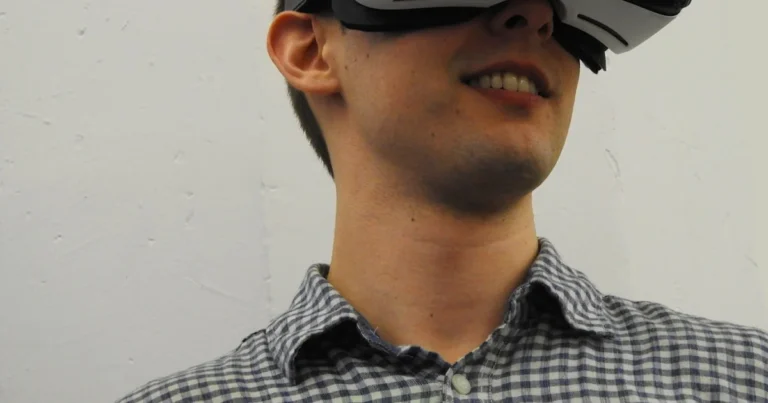
- VR Walkathons: Imagine walking through a virtual recreation of the Grand Canyon while wearing a VR headset.
- Gamification: Events will use leaderboards, badges, and rewards to make walking feel like a video game.
- AI Coaching: Personalized AI trainers will adjust your walking plan based on your performance and goals.
- Hybrid Dominance: The line between virtual and in-person will blur. You might start in person and finish virtually, or vice versa.
The steady drumbeat of innovation will continue. As one organizer put it, “Movement absolutely is medicine.” And the delivery method is evolving to ensure everyone gets their dose.
🏁 Conclusion

So, how do virtual walkathons compare to traditional in-person events?
The answer isn’t black and white. In-person events offer the electric energy of a crowd, the tangible tradition of the finish line, and the visceral connection of shared grief or joy. They are the classic concert experience.
Virtual walkathons, on the other hand, offer unmatched flexibility, global inclusivity, and a personalized journey. They are the studio album that you can listen to on repeat, anytime, anywhere.
Our Verdict:
If you crave the community buzz and don’t mind the logistics, go in-person.
If you value flexibility, accessibility, and the ability to fitness into a chaotic life, go virtual.
But here’s the secret: You don’t have to choose. The best approach is often a hybrid. Participate in a local event for the energy, and join a virtual one for the convenience. Or, organize a hybrid event to capture the best of both worlds.
The goal isn’t the format; it’s the movement. Whether you’re walking through a park or pacing your living room, you are making a difference. You are proving that hope will not be canceled.
So, what are you waiting for? Lace up your shoes, grab your phone, and start walking. The world is your course.
🔗 Recommended Links
Ready to gear up or find your next event? Here are our top picks.
👉 CHECK PRICE on:
- Running Shoes: Amazon Running Shoes | Nike Official | Adidas Official
- Fitness Trackers: Amazon Fitness Trackers | Garmin Official | FitBit Official
- Smartwatches: Amazon Smartwatches | Apple Official | Samsung Official
Books to Inspire Your Journey:
Event Platforms:
- RunSignUp: RunSignUp Official
- Racery: Racery Official
❓ FAQ: Your Burning Questions Answered

Are virtual walkathons as effective for fundraising as in-person events?
H4: The Fundraising Reality
While in-person events often generate higher revenue per participant due to on-site donations and auctions, virtual events can achieve comparable or even higher total revenue by lowering the barrier to entry and reaching a global audience. The key is leveraging peer-to-peer fundraising and social media to drive donations. As seen in the AFSP drive-in example, the “success” of an event isn’t just about the dollars; it’s about the impact and connection.
Read more about “📊 15 Metrics for Virtual Walkathon Impact Reporting (2026)”
What are the main advantages of joining a virtual walkathon over a traditional one?
H4: Flexibility and Inclusivity
The primary advantages are flexibility (walk anytime, anywhere), accessibility (suitable for all ages and abilities), and safety (no traffic or crowds). Virtual events also allow participants to fit their activity into their own schedule, making it easier for working parents, people with disabilities, and those in remote areas to participate.
Read more about “🌍 15 Top Global Virtual Step Challenges to Conquer in 2026”
How do participants track their steps for a virtual walkathon?
H4: Tracking Methods
Participants typically use wearable devices (Garmin, FitBit, Apple Watch) that sync with apps like Strava or MapMyRun. Some events allow manual entry of results with a photo proof. Platforms like Haku or Racery often have built-in tools to verify and display results automatically.
Read more about “🌍 Yes! 10+ Global Virtual Walkathons Happening in 2026”
Can virtual walkathons build the same community spirit as in-person events?
H4: Digital Connection
The type of community is different, but the spirit is real. Virtual events foster a global, inclusive community through social media groups, live streams, and shared digital challenges. While you miss the face-to-face high-fives, you gain connections with people from around the world who share your passion.
Read more about “🏆 10 Ways to Celebrate Your Virtual Walkathon Success (2026)”
What technology is required to participate in a virtual walkathon?
H4: Minimal Tech Needs
You need a smartphone or a fitness tracker to record your activity. A stable internet connection is needed to upload results. Most events are compatible with major apps like Strava, MapMyRun, or Garmin Connect. No expensive equipment is required.
Read more about “🚶 ♀️ 7 Steps to a Viral Virtual Walkathon for Schools (2026)”
Are there age restrictions for virtual walkathons compared to physical ones?
H4: Age Inclusivity
Virtual walkathons are generally more inclusive regarding age. While some events may have a minimum age (e.g., 5 years old), there are no physical barriers like steep hills or crowded start lines. This makes them ideal for seniors and young children who might struggle with traditional events.
How do organizers ensure safety and accuracy in virtual walkathons?
H4: Verification and Safety
Organizers use GPS tracking, photo verification, and platform algorithms to ensure accuracy. Safety is inherent in the format, as participants choose their own safe routes. Many events include safety guidelines and encourage participants to walk in well-lit areas or with a buddy.
Read more about “🏆 2026 Virtual Walkathon Platform Comparison: 5 Top Apps Ranked”
📚 Reference Links
- Connecticut Breast Health Initiative (CTBHI): Virtual Run / Walk – Connecticut Breast Health Initiative
- American Foundation for Suicide Prevention (AFSP): Out of the Darkness Drive-In Story
- Garmin: Garmin Official Website
- FitBit: FitBit Official Website
- MapMyRun: MapMyRun Official Website
- RunSignUp: RunSignUp Official Website
- Racery: Racery Official Website
- Hartford Marathon Foundation (Haku): Haku Sports Support