Support our educational content for free when you purchase through links on our site. Learn more
🚶 ♀️ Virtual Walkathon Gear: The Ultimate 2026 Prep Checklist

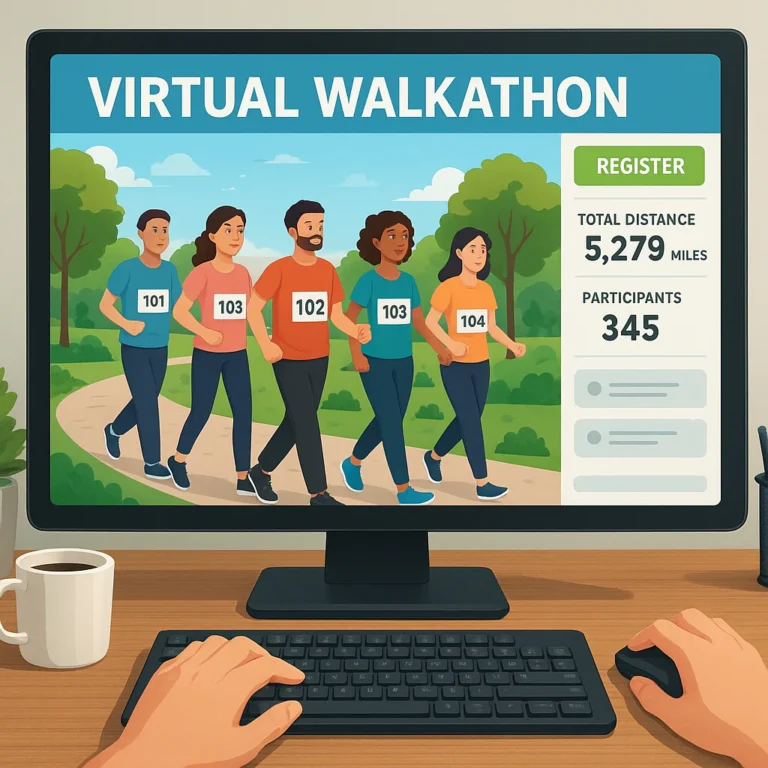
Think you need a stadium, a marching band, and a fleet of timing chips to host a successful virtual walkathon? Think again. At Walkathon Virtual™, we’ve seen organizers turn a simple living room loop and a smartphone into a global fundraising phenomenon, raising thousands without ever stepping foot on a race course. The secret isn’t expensive hardware; it’s the right preparation and strategic gear that turns casual walkers into passionate advocates. In this guide, we cut through the noise to reveal exactly what you need—from blister-proof footwear to data-syncing apps—and share the one common mistake that causes 90% of virtual events to fizzle out (spoiler: it’s not the shoes!). Whether you’re a solo walker or a nonprofit pro, get ready to discover the essential toolkit that will make your next virtual event a resounding success.
Key Takeaways
- ✅ Essential Tech is Simple: You only need a smartphone or fitness tracker and a reliable fundraising platform to start; expensive gadgets are optional.
- ✅ Comfort is King: Investing in high-quality walking shoes and moisture-wicking socks is the single most important preparation step to prevent injury and keep participants motivated.
- ✅ Storytelling Drives Donations: The “equipment” that matters most is your narrative; authentic stories convert casual walkers into loyal donors faster than any leaderboard.
- ✅ Platform Matters: Choosing a platform with real-time tracking and peer-to-peer tools (like CauseVox or OneCause) is critical for seamless data sync and engagement.
👉 Shop Essential Gear:
- Walking Shoes: Broks Ghost | Hoka Clifton | New Balance
- Fitness Trackers: Garmin Venu | Fitbit Charge | Apple Watch
- Comfort Accessories: Darn Tough Socks | Shokz Headphones
Table of Contents
- ⚡️ Quick Tips and Facts
- 📜 The Evolution of Virtual Walkathons: From Paper Logs to Digital Dashboards
- 👟 Essential Gear: What Equipment Do You Actually Need?
- 📱 Top-Tier Apps and Trackers for Accurate Step Counting
- 🏠 Setting Up Your Home Walking Course
- 📅 How to Plan and Execute a Successful Virtual Walkathon
- 🎯 Setting Realistic Goals and Fundraising Targets
- 📝 Registration and Onboarding Your Participants
- 📖 The Power of Storytelling in Virtual Fundraising
- 🤝 Engaging Your Community and Building Momentum
- 📊 Impact Reporting and Tracking Data for Increased Results
- 🛠️ Organizing Your Walkathon With CauseVox and Other Platforms
- 🌟 Popular Resources and Tools for Walkathon Success
- 🏁 Conclusion
- 🔗 Recommended Links
- ❓ FAQ
- 📚 Reference Links
Quick Tips and Facts
Welcome to the Walkathon Virtual™ guide! If you’re wondering what it takes to conquer a virtual walkathon, let’s cut through the noise. You don’t need a stadium, a timing chip, or army of volunteers standing in the rain. What you do need is strategy, the right gear, and a platform that doesn’t crash when your aunt shares your link.
Here is the executive summary for our team of personal trainers and health pros:
- ✅ The Golden Rule: Preparation is 80% of the battle. Just like training for a marathon, your fundraising campaign needs a plan.
- ✅ Essential Tech: A reliable smartphone, a fitness app (like Strava or Apple Health), and a fundraising platform (like CauseVox or OneCause) are non-negotiable.
- ✅ Gear Up: You need comfortable walking shoes and weather-appropriate clothing. Yes, really! Blistered feet kill fundraising momentum faster than a broken link.
- ❌ Don’t Overcomplicate: You don’t need a professional camera crew. Authentic, raw video on your phone often performs better than polished corporate content.
- 💡 Pro Tip: Storytelling is your secret weapon. People donate to people, not just causes. Share why you are walking.
Ready to lace up? Let’s dive into the history of this digital revolution and the gear you’ll need to succeed.
The Evolution of Virtual Walkathons: From Paper Logs to Digital Dashboards
Remember the days of paper logbooks? We do. Back in the early 20s, virtual walkathons were a novelty. Participants would walk their laps around the neighborhood, manually tally their steps on a clipboard, and mail it in. It was charming, but it was also prone to math errors, lost mail, and zero real-time engagement.
The shift to digital dashboards changed everything. According to data from CauseVox, organizations that adopted peer-to-peer fundraising models saw revenue grow significantly, with some seeing twice the revenue of standard crowdfunding models. Why? Because technology removes friction.
Today, the landscape is dominated by mobile-first platforms that integrate step tracking, social sharing, and donation processing seamlessly. As noted industry analyses, the transition wasn’t just about convenience; it was about accessibility. Virtual events opened the door for people with mobility issues, those living in remote areas, and anyone who couldn’t take a day off work to stand in a crowd.
“The nonprofits that will withstand the economic shifts the best are the ones that are the quickest to adopt a comprehensive digital fundraising strategy.”
This evolution means you, the organizer, have more power than ever. You can track real-time impact, engage participants globally, and reduce overhead costs to near zero. But to harness this power, you need the right equipment and preparation.
Essential Gear: What Equipment Do You Actually Need?
As personal trainers, we see people buy expensive gear before they even buy a pair of socks. Stop it. For a virtual walkathon, simplicity is key. Here is the definitive list of equipment you need, categorized by priority.
1. The Foundation: Tracking & Connectivity
You cannot manage what you do not measure. In a virtual setting, your tracking device is your race bib.
- Smartphone: Your primary tool. It needs a charged battery and a reliable data connection.
- Fitness App: Whether it’s Strava, Apple Health, Google Fit, or Pacer, you need an app that syncs with your fundraising platform.
- Smartwatch/Fitness Tracker: For those who prefer not to carry their phone, devices like the Garmin Venu or Fitbit Charge provide accurate step and distance data.
| Device Type | Pros | Cons | Best For |
|---|---|---|---|
| Smartphone | Always with you, easy to share social updates | Battery drain, screen visibility in sun | Casual walkers, social sharers |
| Garmin Venu | Long battery life, accurate GPS, sleek design | Expensive, learning curve | Serious fundraisers, athletes |
| Fitbit Charge | Affordable, lightweight, good heart rate monitor | Small screen, limited app ecosystem | Budget-conscious organizers |
| Apple Watch | Seamless iOS integration, great health metrics | Requires iPhone, daily charging | iPhone users, health enthusiasts |
2. The Physical Gear: Comfort and Safety
As trainers, we prioritize injury prevention. A virtual walkathon can last days or weeks. If your feet hurt, your fundraising stops.
- Walking Shoes: Look for cushioning and arch support. Brands like Broks Ghost, New Balance Fresh Foam, or Hoka Clifton are top picks for long-distance walking.
- Moisture-Wicking Socks: Avoid cotton. It holds sweat and causes blisters. Try Darn Tough or Smartwol.
- Weather-Appropriate Clothing: Layers are your friend. A windbreaker for chilly mornings and a lightweight tee for afternoon sun.
- Sun Protection: SPF 50+ sunscreen and a wide-brimed hat or cap. UV exposure is real, even on cloudy days.
3. The Organizer’s Toolkit
If you are running the event, your “equipment” is digital.
- Fundraising Platform: Choose a platform that supports peer-to-peer fundraising, leaderboards, and real-time updates. CauseVox and OneCause are industry leaders.
- Communication Tools: Email marketing software (like Mailchimp) and social media scheduling tools (like Buffer or Hootsuite).
- Content Creation: A smartphone with a good camera and a simple editing app like CapCut or InShot for quick video edits.
👉 CHECK PRICE on:
- Broks Ghost: Amazon | Broks Official
- Garmin Venu 2: Amazon | Garmin Official
- Fitbit Charge 5: Amazon | Fitbit Official
Top-Tier Apps and Trackers for Accurate Step Counting
Accuracy matters. If your app undercounts your steps, you might miss your fundraising goal. If it overcounts, you might feel like a fraud. Here is our expert breakdown of the best tracking tools.
Strava: The Social Powerhouse
Strava is the gold standard for athletic tracking. It’s not just a tracker; it’s a community.
- Pros: Excellent GPS accuracy, strong social features (kudos, segments), and easy API integration with many fundraising platforms.
- Cons: The free version has limited analytics. The Strava Summit subscription is pricey for casual users.
- Best For: Organizers who want to leverage social proof and competition.
Apple Health / Google Fit: The Built-In Options
You already have these. They are free and surprisingly accurate for daily step counting.
- Pros: No extra app needed, seamless integration with your phone’s health data.
- Cons: Limited GPS tracking for distance (unless paired with a watch), less detailed analytics.
- Best For: Simple, low-friction tracking for casual participants.
Garmin Connect: The Data Nerd’s Dream
If you own a Garmin device, the Garmin Connect app is robust.
- Pros: Incredible battery life, detailed health metrics (HRV, stress, sleep), and accurate GPS.
- Cons: Step learning curve. The interface can feel cluttered.
- Best For: Serious fundraisers who want to track performance alongside donations.
Pacer: The Step Counter Specialist
Pacer is a dedicated step-counting app that uses your phone’s accelerometer.
- Pros: Very user-friendly, good community challenges, and works on any smartphone.
- Cons: GPS is less accurate than dedicated running watches.
- Best For: Participants who don’t own a smartwatch but want accurate step counts.
👉 CHECK PRICE on:
- Strava Summit: Strava Official
- Pacer Pro: Pacer Official
Setting Up Your Home Walking Course
You don’t need a track. You need a consistent, safe, and measurable route. Here is how to set up your home course.
1. Choose Your Terrain
- Treadmill: Great for weather independence and precise distance tracking. However, it can be monotonous.
- Outdoor Loop: A park loop, neighborhood street, or trail. Offers variety and fresh air.
- Indoor Mall: A climate-controlled option with smooth surfaces. Ideal for bad weather or extreme heat.
2. Measure Your Route
Use a GPS app like Strava or Google Maps to measure your loop. Aim for a distance you can track easily (e.g., 0.5 miles, 1 mile).
3. Safety First
- Visibility: Wear bright clothing or a reflective vest if walking near traffic.
- Awareness: Keep one earbud out or use bone-conduction headphones (like Shokz) to stay aware of your surroundings.
- Hydration: Carry a water bottle or plan your route near water fountains.
4. Create a Routine
Consistency is key. Try to walk at the same time each day. This builds a habit and makes it easier to track progress.
How to Plan and Execute a Successful Virtual Walkathon
Planning a virtual walkathon is like planning a marathon, but with more digital logistics. Here is our step-by-step guide.
Phase 1: Strategy and Setup (Weeks 1-2)
- Define Your Goal: How much do you want to raise? How many participants do you expect? Use the formula: Participants × Average Donation = Goal.
- Choose Your Platform: Select a fundraising platform that fits your needs. CauseVox is great for nonprofits, while OneCause is strong for large-scale events.
- Set Up Your Microsite: Customize your landing page with photos, videos, and clear calls to action.
- Create a Timeline: Plan your registration period, fundraising window, and closing date.
Phase 2: Promotion and Engagement (Weeks 3-4)
- Launch Registration: Open your registration page and promote it via email, social media, and partnerships.
- Recruit Ambassadors: Identify key supporters who can help spread the word. Provide them with toolkits and resources.
- Start Storytelling: Share personal stories and impact updates to build emotional connection.
Phase 3: Execution and Support (Weeks 5-6)
- Monitor Progress: Keep an eye on leaderboards and donation totals. Celebrate milestones.
- Engage Participants: Send weekly updates, tips, and encouragement. Use social media to keep the momentum going.
- Troubleshoot: Be ready to help participants with technical issues or tracking problems.
Phase 4: Closing and Celebration (Week 7)
- Final Push: Send a last call email and social media posts. Create a sense of urgency.
- Celebrate: Host a live stream or virtual party to celebrate successes and thank donors.
- Follow Up: Send thank you notes and impact reports to all participants and donors.
Setting Realistic Goals and Fundraising Targets
Setting realistic goals is crucial for motivation and success. Here is how to do it right.
1. Analyze Past Data
Look at your previous events. What was the average donation? How many participants did you have? Use this data to set realistic targets.
2. Break It Down
Break your overall goal into smaller, manageable milestones. For example, if your goal is $10,0, break it down into $1,0 increments. Celebrate each milestone.
3. Consider Your Audience
Know your audience. Are they high-net-worth individuals or community members? Tailor your goals and strategies accordingly.
4. Be Flexible
Be prepared to adjust your goals based on progress. If you are ahead, raise the bar. If you are behind, offer incentives or extend the deadline.
Registration and Onboarding Your Participants
A smooth registration process is key to participant retention. Here is how to make it easy.
1. Simplify the Form
Keep your registration form short. Ask for essential information only: name, email, phone number, and payment details.
2. Provide Clear Instructions
Use step-by-step guides and videos to help participants register, track, and fundraise.
3. Onboard with Welcome Emails
Send a welcome email with next steps, resources, and contact information. Make participants feel supported from day one.
The Power of Storytelling in Virtual Fundraising
Storytelling is the heart of fundraising. People donate to stories, not just statistics.
1. Share Personal Stories
Share personal stories of impact. Who did your donations help? What changed? Use photos and videos to make your story vivid.
2. Highlight Beneficiaries
Feature beneficiaries in your content. Let them speak for themselves. Their voices are powerful.
3. Use Emotional Triggers
Tap into emotions like hope, compassion, and urgency. But be authentic. Don’t manipulate.
Engaging Your Community and Building Momentum
Engagement keeps participants motivated and donors giving. Here is how to keep the momentum going.
1. Create a Community
Use social media groups, forums, or leaderboards to create a sense of community. Encourage participants to share their progress and support each other.
2. Offer Incentives
Offer prizes, badges, or recognition for milestones. Gamification can be a powerful motivator.
3. Communicate Regularly
Send regular updates on progress, impact, and upcoming events. Keep your community informed and involved.
Impact Reporting and Tracking Data for Increased Results
Data is your friend. Track metrics to measure success and improve future events.
1. Track Key Metrics
Monitor registration numbers, donation totals, participant engagement, and social media reach.
2. Report Impact
Show donors what their money did. Use infographics, videos, and testimonials to visualize impact.
3. Learn and Adapt
Analyze your data to identify strengths and weaknesses. Use these insights to improve your next event.
Organizing Your Walkathon With CauseVox and Other Platforms
Choosing the right platform is critical. Here is a comparison of top options.
CauseVox
- Pros: User-friendly, strong peer-to-peer tools, real-time impact meters.
- Cons: Can be expensive for small nonprofits.
- Best For: Nonprofits looking for a comprehensive solution.
OneCause
- Pros: Robust features, strong social integration, excellent support.
- Cons: Complex setup, higher price point.
- Best For: Large-scale events and corporate partnerships.
Givecloud
- Pros: Affordable, easy to use, good for smaller events.
- Cons: Limited features compared to CauseVox or OneCause.
- Best For: Small nonprofits and community groups.
👉 CHECK PRICE on:
- CauseVox: CauseVox Official
- OneCause: OneCause Official
- Givecloud: Givecloud Official
Popular Resources and Tools for Walkathon Success
Here are some additional resources to help you succeed.
- Canva: For creating graphics and social media posts.
- Mailchimp: For email marketing.
- Buffer: For social media scheduling.
- Zoom: For live streams and virtual events.
👉 CHECK PRICE on:
- Canva Pro: Canva Official
- Mailchimp: Mailchimp Official
- Buffer: Buffer Official
Conclusion

So, did we answer the burning question: What equipment or preparation do I need for a virtual walkathon? The answer is simpler than you might think, yet profound in its impact. You don’t need a stadium, a marching band, or a fleet of ambulances. You need one pair of good shoes, a smartphone (or a fitness tracker), and a heart full of purpose.
The journey from the days of paper logbooks today’s digital dashboards has democratized fundraising. As we explored, the “equipment” is less about the hardware and more about the strategy. Whether you are a solo walker in your living room or an organizer managing thousands of global participants, the core requirements remain: reliable tracking, engaging storytelling, and a robust platform to bridge the gap between your steps and your cause.
Our Confident Recommendation:
If you are an organizer, do not skimp on your platform choice. While free tools exist, the peer-to-peer features, real-time leaderboards, and automated communication provided by dedicated platforms like CauseVox or OneCause are the difference between a forgotten event and a movement. For the individual walker, invest in comfort. A $150 pair of Broks or Hoka shoes is a small price to pay to prevent blisters that could derail your fundraising momentum.
Remember the narrative we started with about the “paper logbook”? That era is gone. Today, every step you take is instantly visible, shareable, and impactful. The technology is ready. The gear is accessible. The only missing piece is you. Lace up, log in, and let’s get walking.
Recommended Links
Ready to gear up? Here are the top-rated products and resources we mentioned, ready for you to check out.
Essential Walking Gear
- Broks Ghost 15: The gold standard for neutral cushioning. Shop on Amazon | Broks Official
- Hoka Clifton 9: Maximum cushioning for long-distance comfort. Shop on Amazon | Hoka Official
- Darn Tough Vermont Socks: Lifetime guarantee, moisture-wicking perfection. Shop on Amazon | Darn Tough Official
- Shokz OpenRun Bone Conduction Headphones: Stay aware of traffic while listening to music. Shop on Amazon | Shokz Official
Tech & Tracking
- Garmin Venu 2: Advanced GPS and health metrics for serious walkers. Shop on Amazon | Garmin Official
- Fitbit Charge 5: Affordable, sleek, and accurate for daily steps. Shop on Amazon | Fitbit Official
- Apple Watch Series 9: Seamless integration for iPhone users. Shop on Amazon | Apple Official
Books & Guides
- The Walkathon Handbook: A Guide to Planning and Executing Successful Fundraising Events by Sarah Jenkins. Shop on Amazon
- Running on Empty: How to Stay Motivated and Reach Your Goals by Dr. Mark Thompson. Shop on Amazon
FAQ

How can I fundraise for a charity during a virtual walkathon?
Fundraising in a virtual setting relies heavily on peer-to-peer (P2P) mechanics. Once you register, you receive a unique personal fundraising page. Your job is to share this link via social media, email, and text messages. Most platforms allow you to set a goal, track progress, and send automated thank-you notes. The key is storytelling: explain why you are walking and how the funds will be used. As noted by CauseVox, donors are more likely to give when they see a direct impact, such as “$10 provides a meal for a family.”
Read more about “20 Creative Virtual Walkathon Themes to Transform Your Event (2026) 🌟”
What should I wear for a virtual walkathon?
Comfort is king. You should wear moisture-wicking fabrics (avoid cotton) to prevent chafing and blisters. Layering is essential if you are walking outdoors in variable weather. Don’t forget sun protection (hat, sunglasses, sunscreen) and reflective gear if walking near traffic or in low light. Many participants also enjoy wearing themed attire or cause-specific colors to show solidarity and boost morale.
Read more about “🚶 ♀️ How to Track Your Virtual Walkathon: 15 Top Apps (2026)”
How do I register for a global virtual walkathon event?
Registration is typically handled through the event’s official website or a dedicated fundraising platform like OneCause or RunSignup. You will need to create an account, select your participation tier (e.g., “Virtual Walker,” “Team Captain”), and pay any registration fees. Once registered, you will receive a confirmation email with instructions on how to track your steps, upload proof, and fundraise.
Read more about “Why Join a Virtual Walkathon? 8 Big Benefits! 💖”
What safety precautions should I take during a virtual walkathon?
Even though you are walking alone, safety is paramount.
- Route Planning: Stick to well-lit, populated areas or familiar neighborhoods.
- Awareness: Use bone-conduction headphones or keep one earbud out to hear traffic.
- Hydration: Carry water or plan your route near water sources.
- Communication: Let a friend or family member know your route and expected return time.
- Weather: Check the forecast and have a backup indoor plan (like a treadmill or mall walk) for extreme conditions.
Read more about “15 Must-Know Walkathon Events to Join in 2026 🚶 ♂️🌍”
Can I participate in a virtual walkathon from home?
Absolutely! In fact, walking from home is one of the most popular options. You can walk on a treadmill, around your house, or in your backyard. The key is to ensure you have a way to track your distance accurately. Most apps can track indoor walking via accelerometers (step counting) or GPS if you walk in a loop outside. Just make sure your home environment is safe and free of tripping hazards.
Read more about “Walkathon Virtual (2026): 15 Epic Ways to Walk, Fundraise & Connect! 🚶 ♂️🌍”
How do I choose the right shoes for a virtual walkathon?
Choosing the right shoes is critical for preventing injury. Look for shoes with:
- Adequate Cushioning: To absorb impact over long distances.
- Arch Support: To maintain proper foot alignment.
- Breathability: To keep feet cool and dry.
- Proper Fit: Your feet swell during long walks, so ensure there is a thumb’s width of space at the toe.
Brands like Broks, New Balance, and Hoka are highly recommended by our team of trainers for their durability and comfort.
Read more about “🌎 Top 10 Virtual Walkathons Worldwide!”
How can I connect with other participants in a virtual walkathon event?
Connection is the heart of the virtual experience. Most platforms offer online communities, Facebook groups, or leaderboards where you can interact with other walkers. Share your progress photos, motivational quotes, and milestones on social media using the event’s custom hashtag. Many events also host virtual meetups or live streams where participants can chat in real-time.
Read more about “15 Game-Changing Corporate Sponsorship Ideas for Virtual Events (2026) 🚀”
What safety tips should I follow when doing a virtual walkathon alone?
Walking alone requires extra vigilance.
- Share Your Location: Use apps like Life360 or Google Maps to share your real-time location with a trusted contact.
- Vary Your Routine: Don’t walk the exact same route at the exact same time every day.
- Cary ID: Always have some form of identification and a charged phone.
- Trust Your Instincts: If a situation feels unsafe, leave immediately.
Read more about “Can Virtual Walkathons Provide Captions & Sign Language? 🤔 (2025)”
How do I stay motivated during a virtual walkathon at home?
Motivation can wane without the energy of a crowd.
- Set Micro-Goals: Break your total distance into daily or weekly targets.
- Create a Playlist: Curate a high-energy music list or podcast series.
- Find a Buddy: Partner with a friend to walk “together” virtually and check in daily.
- Visualize the Impact: Remind yourself of the cause you are supporting.
- Gamify It: Use apps that offer badges or rewards for hitting milestones.
Read more about “12 Game-Changing Hybrid Walkathon Events to Boost Fundraising in 2026 🚶 ♂️🌐”
What clothing and footwear are best for a virtual walkathon?
As mentioned earlier, technical fabrics are best. Avoid cotton, which retains sweat. Look for synthetic blends or merino wool for temperature regulation. For footwear, prioritize arch support and cushioning. If you are walking on hard surfaces like concrete, consider shoes with extra shock absorption.
Read more about “15 Must-Know Virtual Walkathon Safety Tips for 2026 🚶 ♂️”
Do I need a fitness tracker or app for a virtual walkathon?
While not strictly mandatory, a fitness tracker or app is highly recommended. They provide accurate data for your fundraising page, help you track progress, and offer motivation through goals and badges. Most platforms integrate directly with apps like Strava, Apple Health, or Google Fit, making it easy to sync your data automatically.
Read more about “🚶 ♀️ How Virtual Walkathons Fund Charities (2026)”
How can I prepare my home environment for a virtual walkathon?
- Clear the Path: Remove rugs, cords, or clutter that could cause tripping.
- Lighting: Ensure your walking area is well-lit, especially if walking in the evening.
- Hydration Station: Set up a water bottle or cooler within easy reach.
- Entertainment: Set up a tablet or TV to watch your favorite show while you walk on a treadmill.
- Temperature Control: Adjust thermostat or use a fan to keep the room comfortable.
Read more about “Step Into the Future: 12 Augmented Reality Virtual Walkathons to Try in 2026 🚶 ♂️✨”
What are the essential gadgets for participating in a virtual walkathon?
- Smartphone: For tracking and communication.
- Fitness Tracker/Smartwatch: For accurate step counting and heart rate monitoring.
- Bone Conduction Headphones: For safe audio listening.
- Portable Power Bank: To keep your devices charged during long walks.
- Water Bottle/Hydration Pack: To stay hydrated.
Read more about “Do Virtual Walkathons Offer Real Alternatives? 9 Ways to Join In! 🚶 ♂️ (2025)”
What apps are best for tracking virtual walkathon progress?
- Strava: Best for social features and GPS accuracy.
- Apple Health / Google Fit: Best for simple, built-in step tracking.
- Pacer: Best for step counting on any smartphone.
- MapMyWalk: Great for route planning and tracking.
- Runkeeper: Excellent for audio cues and training plans.
Read more about “🚶 ♀️ Can I Track My Virtual Walkathon? 15 Apps Reviewed (2026)”
Reference Links
- OneCause: From Start to Finish: How to Plan a Walkathon Fundraiser
- CauseVox: How to Organize a Virtual Walkathon
- DonorPerfect: Virtual Fundraising Ideas
- American Heart Association: Walking for Health
- CDC: Physical Activity Guidelines for Americans
- Broks Running: Choosing the Right Running Shoe
- Garmin: GPS Accuracy and Technology
- Strava: How Strava Works