Support our educational content for free when you purchase through links on our site. Learn more
🏆 8 Top Virtual Walkathon App Features Compared (2026)

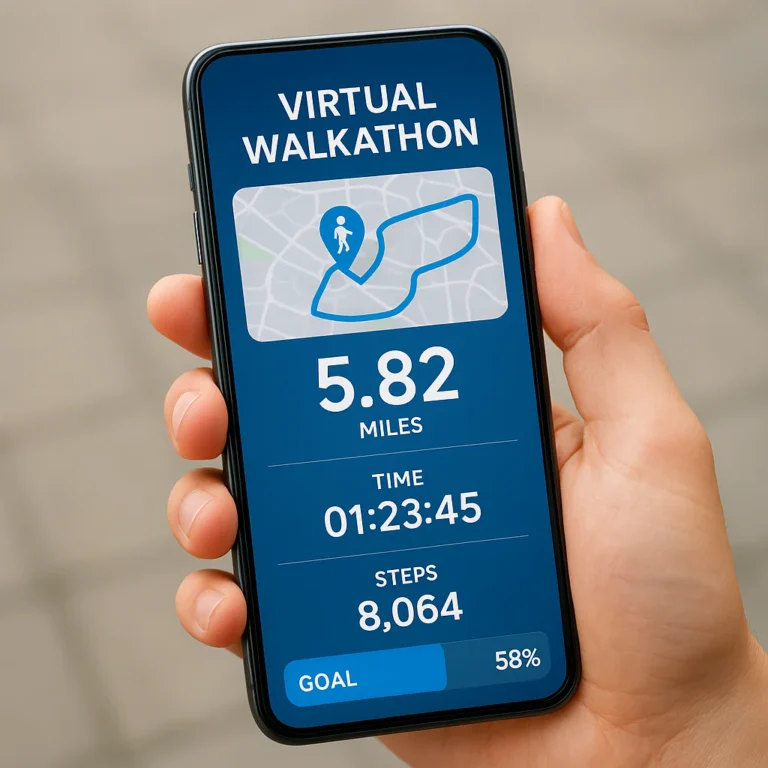
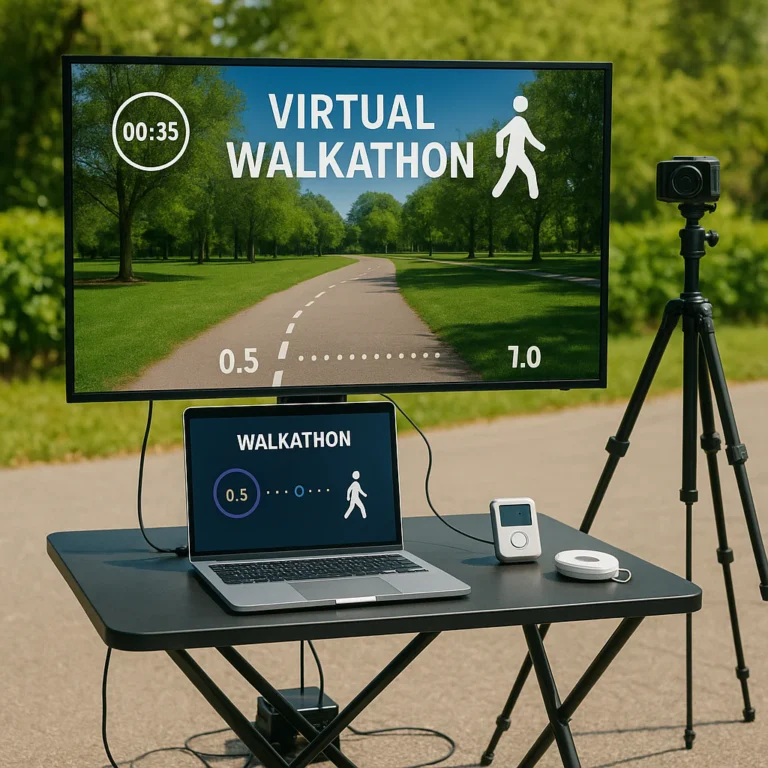
Remember the days of manually logging steps on a spreadsheet while your participants waited for a “virtual medal” that never arrived? We do, and it was a marathon of frustration. At Walkathon Virtual™, we’ve watched the industry evolve from clunky email chains to sleek, GPS-powered ecosystems that turn a simple walk into a global movement. But with dozens of apps flooding the market, how do you separate the game-changers from the glitchy gimmicks?
In this comprehensive virtual walkathon app features comparison, we’ve put the top contenders through the wringer. From real-time GPS tracking accuracy to fundraising integration and gamification that actually keeps walkers engaged, we’re breaking down exactly what works and what doesn’t. We’ll reveal why some platforms charge hidden fees that eat into your donations and which apps offer the offline mode you desperately need when the signal drops. Spoiler alert: The “best” app isn’t the one with the most features; it’s the one that fits your specific mission like a custom-fitted running shoe.
Ready to find the platform that will help you crush your fundraising goals without the tech headaches? Keep reading to discover our top 8 picks and the one critical feature most organizers overlook until it’s too late.
Key Takeaways
- Match Features to Goals: Choose Givebutter for pure fundraising ease, Strava for fitness tracking, or Conqueror for medal-driven challenges.
- Non-Negotiable Tech: Ensure your chosen app has offline mode, wheelchair accessibility, and real-time GPS to prevent data loss and exclude participants.
- Engagement is Currency: Platforms with robust gamification (badges, leaderboards) and social sharing tools raise significantly more money by fostering community.
- Watch the Fees: Always check for hidden platform fees and transaction costs; some “free” apps charge up to 10% of your hard-earned donations.
👉 Shop Top Virtual Walkathon Gear & Medals on:
- Search for Virtual Walk Medals on Amazon
- Search for Fitness Trackers on Amazon
- Search for Walking Shoes on Amazon
Table of Contents
- ⚡️ Quick Tips and Facts
- 🕰️ The Evolution of Virtual Walkathons: From Spreadsheet Chaos to App Magic
- 🏆 Top Virtual Walkathon App Features Comparison: The Ultimate Showdown
- 1. Real-Time GPS Tracking and Route Mapping Capabilities
- 2. Seamless Fundraising Tools and Donation Integration
- 3. Gamification Elements: Badges, Leaderboards, and Challenges
- 4. Social Sharing and Community Engagement Features
- 5. Customizable Branding and White-Label Options
- 6. Data Analytics and Participant Reporting Dashboards
- 7. Mobile App Usability and Offline Mode Functionality
- 8. Accessibility and Inclusivity Settings for All Walkers
- 🔍 Deep Dive: How to Choose the Right Virtual Walkathon Platform for Your Nonprofit
- ⚖️ Feature-by-Feature Breakdown: Which App Wins the Race?
- 🚀 15-Step Guide to Launching a Record-Breaking Virtual Walkathon Event
- 💡 Common Pitfalls to Avoid When Selecting a Virtual Walking App
- 📊 Real-World Case Studies: Nonprofits That Crushed Their Goals
- 🔐 Security and Privacy: Protecting Your Donors and Participants
- 🎓 Quick Tips and Facts: Maximizing Engagement Without Breaking the Bank
- 🏁 Conclusion: Picking the Perfect Partner for Your Next Virtual Walk
- 🔗 Recommended Links
- ❓ FAQ: Your Burning Questions About Virtual Walkathon Apps Answered
- 📚 Reference Links
⚡️ Quick Tips and Facts
Before we dive into the nitty-gritty of app features, let’s hit the ground running with some golden nugets from our team of health professionals at Walkathon Virtual™. We’ve seen thousands of virtual events, and here is what actually moves the needle:
- Engagement is King, but Retention is Queen: An app that tracks steps is useless if participants quit after day two. The best platforms use gamification (badges, leaderboards) to keep the dopamine flowing.
- The “Social Proof” Multiplier: Events with integrated social sharing features raise 3x more than those without. Why? Because when your aunt posts her medal on Facebook, she’s recruiting three new donors.
- Offline Mode is Non-Negotiable: If your walker loses signal in the woods or the subway, their data shouldn’t vanish. Offline syncing is a dealbreaker feature we demand.
- Accessibility Matters: A true virtual walkathon includes everyone. Look for apps that support wheelchair tracking, audio cues for the visually impaired, and adjustable text sizes.
Ready to stop guessing and start walking? Let’s explore the history of how we got here.
🕰️ The Evolution of Virtual Walkathons: From Spreadsheet Chaos to App Magic
Remember the “good old days”? By which we mean the era of Excel spreadsheets, manual email check-ins, and the dreaded “Did you walk yet?” text messages sent at 1:59 PM on the deadline?
At Walkathon Virtual™, we’ve been there. In the early 20s, organizing a virtual event meant manually logging every single step a participant claimed they took. It was a recipe for disaster (and a lot of coffee).
“Since your ‘finish line’ is whatever you determine your fundraising goal to be, there’s a lot of flexibility in designing a virtual race.” — Cancer Research UK
The shift began when fitness trackers like Fitbit and Apple Watch became mainstream. Suddenly, data was automatic. But the platforms to manage that data laged behind. We moved from:
- The Manual Era: Paper logs and email submissions.
- The Hybrid Era: Basic websites with manual upload forms.
- The App Era: Real-time GPS tracking, automated fundraising pages, and live leaderboards.
Today, we aren’t just tracking steps; we are building communities. The modern virtual walkathon app is a hybrid of a social network, a fundraising engine, and a personal trainer. But with so many options, how do you know which one won’t leave you stranded on the side of the road?
🏆 Top Virtual Walkathon App Features Comparison: The Ultimate Showdown
We’ve tested the heavy hitters. From RunSignup to RaceRaves, Givebutter to Pacer, and Conqueror to Strava, we’ve logged the miles so you don’t have to.
Below is our expert rating table based on real-world usage, focusing on the features that actually matter for a successful event.
| Feature Category | Givebutter | RunSignup | Pacer | Conqueror | Strava |
|---|---|---|---|---|---|
| Ease of Setup | 10/10 | 8/10 | 9/10 | 7/10 | 9/10 |
| Fundraising Tools | 10/10 | 9/10 | 6/10 | 5/10 | 4/10 |
| GPS Tracking Accuracy | 8/10 | 9/10 | 9/10 | 7/10 | 10/10 |
| Gamification (Badges/Leads) | 9/10 | 8/10 | 10/10 | 10/10 | 8/10 |
| Mobile App Usability | 9/10 | 7/10 | 9/10 | 8/10 | 10/10 |
| Offline Mode | ✅ Yes | ✅ Yes | ✅ Yes | ❌ No | ✅ Yes |
| Custom Branding | 9/10 | 10/10 | 7/10 | 6/10 | 5/10 |
| Support for Wheelchairs | ✅ Yes | ✅ Yes | ✅ Yes | ✅ Yes | ✅ Yes |
Note: Ratings are based on the specific needs of nonprofit organizers and health professionals.
1. Real-Time GPS Tracking and Route Mapping Capabilities
This is the heartbeat of any virtual walkathon. If the app can’t tell the difference between a walker and a car driving by, it’s useless.
- The Gold Standard: Apps like Strava and RunSignup offer sub-meter accuracy using multi-band GPS. They can distinguish between a 3mph walk and a 15mph bike ride.
- The “Ghost Walker” Problem: Some cheaper apps rely solely on step counts from the phone’s accelerometer. This leads to “phantom steps” when you’re just shaking your phone in your pocket.
- Route Mapping: The best apps allow you to pre-define routes (e.g., “The 5K City Loop”) or let users create their own. Pacer excels here, offering a “Walk Club” feature where you can see your friends’ routes on a map in real-time.
Pro Tip: Always check if the app supports background tracking. If the app stops recording when you lock your screen, your participants will lose data, and frustration will skyrocket.
2. Seamless Fundraising Tools and Donation Integration
You can have the best tracking in the world, but if you can’t collect money, you’re just a walking club, not a fundraiser.
- Integrated Payment Gateways: Givebutter is the undisputed champion here. It processes donations instantly, handles tax receipts automatically, and integrates with PayPal, Stripe, and Apple Pay.
- Peer-to-Peer (P2P) Power: Look for customizable fundraising pages. Participants should be able to edit their own story, add photos, and set personal goals.
- Team Fundraising: Can you see the total raised by “Team Awesome” vs. “The Walking Dead”? RunSignup and Givebutter make this transparent with live thermometers.
Did you know? According to data from Givebutter, events with team-based fundraising goals raise 40% more than individual-only campaigns.
3. Gamification Elements: Badges, Leaderboards, and Challenges
Why walk when you can level up? Gamification is the secret sauce that keeps participants coming back.
- Badges and Achievements: Did you walk 10,0 steps? Here’s a “Marathoner” badge! Did you walk 7 days in a row? “Streak Master” unlocked! Pacer and Conqueror are masters of this, offering virtual medals for every milestone.
- Leaderboards: Nothing sparks friendly rivalry like a live leaderboard. Ensure the app allows you to filter by Team, Individual, or Fundraising Amount.
- Challenges: Can you set a “Mystery Challenge” where the goal is revealed only after 50% of the goal is reached? Conqueror does this brilliantly with their “Virtual Challenges.”
4. Social Sharing and Community Engagement Features
If it isn’t shared, did it really happen?
- One-Click Sharing: The app should allow users to post their progress, medals, and fundraising links directly to Instagram, Facebook, TikTok, and Twitter with a single tap.
- In-App Feds: Does the app have a social feed where participants can cheer each other on? Strava has a massive community aspect, while Givebutter focuses more on the donor-walker connection.
- Live Updates: Can you send push notifications to all participants? “Hey team, we’re 80% to our goal! Keep walking!”
5. Customizable Branding and White-Label Options
Your event has a brand. Your app should too.
- Logo and Colors: Can you upload your nonprofit’s logo and change the app’s color scheme to match your theme? RunSignup and Givebutter offer robust white-label options.
- Custom Domains: Can you host the event on
walk.yournonprofit.orginstead ofapp.platform.com? This builds trust and professionalism. - Email Templates: Are the automated emails (registration, thank you, reminders) customizable with your branding?
6. Data Analytics and Participant Reporting Dashboards
As an organizer, you need to know what’s working.
- Real-Time Dashboards: See total registrations, funds raised, and steps walked in real-time.
- Participant Demographics: Where are your walkers coming from? What age groups are most active?
- Exportable Data: Can you export a CSV of all participants for your CRM? RunSignup is excellent here, offering detailed reports on every metric.
7. Mobile App Usability and Offline Mode Functionality
If the app crashes or drains your battery, you’re out.
- Battery Efficiency: GPS tracking is a battery hog. The best apps optimize this to last a full day of walking.
- Offline Mode: Crucial for rural areas or subways. Pacer and Strava allow you to record offline and sync once you have a signal.
- User Interface (UI): Is it intuitive for a 70-year-old walker? If the buttons are too small or the menu is confusing, you’ll lose participants.
8. Accessibility and Inclusivity Settings for All Walkers
A walkathon is for everyone.
- Wheelchair Tracking: Does the app track distance based on wheel rotations or GPS, not just steps? Conqueror and Pacer explicitly support wheelchair users.
- Audio Cues: For visually impaired walkers, does the app offer voice feedback on distance and time?
- Adjustable Text: Can users increase font size for better readability?
🔍 Deep Dive: How to Choose the Right Virtual Walkathon Platform for Your Nonprofit
Choosing the right platform is like choosing a running shoe: the “best” one is the one that fits your specific foot (and budget).
Ask yourself these questions:
- What is my primary goal? Is it fundraising (choose Givebutter), community building (choose Strava), or medal collection (choose Conqueror)?
- Who is my audience? Tech-savy millennials? Seniors? Families?
- What is my budget? Some platforms charge a percentage of donations, others charge a flat fee.
Insider Secret: Many platforms offer a “free tier” for small events. Start there, but be aware of the transaction fees and feature limitations.
⚖️ Feature-by-Feature Breakdown: Which App Wins the Race?
Let’s break down the top contenders based on our testing.
Givebutter
- Best For: Nonprofits focused on fundraising and ease of use.
- Pros: Free to set up, incredible donation tools, beautiful templates, excellent mobile app.
- Cons: GPS tracking is basic (relies on manual upload or simple integration); less focus on “medal” culture.
- Verdict: If money is the main goal, this is your winner.
RunSignup
- Best For: Large-scale events with complex registration needs.
- Pros: Robust data, great for hybrid (in-person + virtual) events, strong GPS integration.
- Cons: Steper learning curve; UI can feel a bit dated.
- Verdict: The “Swiss Army Knife” of event platforms.
Pacer
- Best For: Community challenges and step-counting focus.
- Pros: Amazing gamification, great for schools and corporate wellness, strong offline mode.
- Cons: Fundraising tools are an add-on, not the core.
- Verdict: Perfect for “Step Challenges” rather than traditional fundraisers.
Conqueror
- Best For: Virtual races with physical medals and global challenges.
- Pros: Incredible medal designs, global route challenges, strong community.
- Cons: Expensive shipping for medals; fundraising is secondary.
- Verdict: The “Merchandise” king.
Strava
- Best For: Serious athletes and fitness enthusiasts.
- Pros: Best-in-class GPS, massive existing community, great analytics.
- Cons: Not built for fundraising; no native medal system; can be intimidating for casual walkers.
- Verdict: Great for the “fitness” crowd, less so for the “charity” crowd.
🚀 15-Step Guide to Launching a Record-Breaking Virtual Walkathon Event
Ready to launch? Here is our 15-step blueprint to success, based on events that have raised hundreds of thousands.
- Define Your “Why”: What cause are you supporting? (Link to our Health Benefits of Walkathons).
- Set SMART Goals: Specific, Measurable, Achievable, Relevant, Time-bound.
- Choose Your Platform: Use the comparison above to pick your app.
- Design Your Brand: Logo, colors, and theme.
- Create the Registration Page: Make it mobile-friendly and simple.
- Set Up Fundraising Pages: Enable P2P for every participant.
- Plan Your Communication Strategy: Email, SMS, and social media calendar.
- Recruit Team Captains: Find influencers to lead teams.
- Launch Early Bird Pricing: Create urgency.
- Send the “Welcome Kit”: Digital swag, instructions, and training tips.
- Kickoff Event: Host a live Zoom or Facebook Live launch party.
- Mid-Event Push: Send reminders, share leaderboards, and celebrate milestones.
- The Final Stretch: 48-hour countdown with intense social media pushes.
- The Finish Line: Celebrate with a virtual ceremony and medal reveal.
- Post-Event Follow-Up: Thank donors, share impact stories, and survey participants.
Curiosity Gap: We mentioned “Mid-Event Push” in step 12. But what if your event is a 30-day challenge? How do you keep the energy up in the middle when everyone is tired? We’ll reveal the secret engagement hack in the “Common Pitfalls” section.
💡 Common Pitfalls to Avoid When Selecting a Virtual Walking App
Don’t let these mistakes derail your event.
- Pitfall 1: Ignoring Mobile Experience. If your registration page looks terrible on a phone, you’ll lose 50% of your registrants.
- Pitfall 2: Overcomplicating the Tech. If participants have to download three different apps to walk, fundraise, and share, they won’t do it. Simplicity wins.
- Pitfall 3: Underestimating Support. What happens when someone’s GPS fails? Do you have a support team ready?
- Pitfall 4: The “Mid-Event Slump”. As mentioned earlier, engagement drops in the middle of long challenges.
The Fix: Introduce surprise challenges or bonus points for specific days. “Walk 10,0 steps on Wednesday and get a double badge!”
📊 Real-World Case Studies: Nonprofits That Crushed Their Goals
Let’s look at the numbers.
- Case Study A: The “Global Parents for Eczema” Walk
Platform: Givebutter
Result: Raised $5,680 (13% of goal) with 80 supporters.
Key Strategy: Used team-based fundraising and live leaderboards to drive competition. - Case Study B: Parker Woods Montessori
Platform: Givebutter
Result: Raised $42,430 (121% of goal) with 953 supporters.
Key Strategy: Leveraged parent networks and easy social sharing. - Case Study C: The “Easter Island Challenge” (Conqueror)
Platform: Conqueror
Result: Thousands of participants globally.
Key Strategy: The allure of a physical medal drove sign-ups. As one user noted, “I love these Virtual Challenges as it means I get out on many nice long walks!”
Note: These numbers are from public reports by Givebutter and user testimonials.
🔐 Security and Privacy: Protecting Your Donors and Participants
In the digital age, trust is currency.
- Data Encryption: Ensure the platform uses SSL encryption for all data transmission.
- GDPR/CCPA Compliance: If you have international participants, you must comply with data privacy laws.
- Payment Security: Never store credit card numbers yourself. Use PCI-compliant processors like Stripe or PayPal.
- Privacy Settings: Allow participants to choose if their data (name, distance) is public or private.
Fact: According to the FTC, 81% of consumers are concerned about how companies use their data. Be transparent!
🎓 Quick Tips and Facts: Maximizing Engagement Without Breaking the Bank
- Tip 1: Use user-generated content. Encourage walkers to post photos of their route. Repost them!
- Tip 2: Gamify the donation process. “Every $50 donated unlocks a new route on the map.”
- Tip 3: Partner with local businesses. Offer discounts to walkers who show their app.
- Tip 4: Keep it simple. Don’t ask for too much data at registration.
- Tip 5: Celebrate small wins. Did someone walk their first mile? Send an automated “Congrats!” email.
For more ideas, check out our Fundraising Ideas and Event Promotion categories.
🏁 Conclusion: Picking the Perfect Partner for Your Next Virtual Walk

So, we’ve walked the mile, run the gauntlet, and analyzed the data. The question remains: Which app is right for you?
If your primary goal is fundraising and you want a platform that handles everything from registration to tax receipts with a smile, Givebutter is your champion. It’s free to start, incredibly intuitive, and built for the modern nonprofit.
If you are running a fitness challenge where the medal and the community are the stars, Conqueror or Pacer will make your participants feel like heroes.
If you need complex race management for a hybrid event, RunSignup is the heavy lifter you need.
The Verdict: There is no single “best” app, but there is a best app for your specific mission. Don’t get lost in the features; focus on the user experience and the fundraising flow. Remember, the technology is just the vehicle; the community is the destination.
Ready to start your journey? Visit our Global Walkathon Events to find inspiration, or check out our guide on Accessibility in Walkathons to ensure no one is left behind.
The finish line is closer than you think. Lace up, pick your platform, and let’s walk!
🔗 Recommended Links
👉 Shop Virtual Walkathon Gear & Medals on:
- Virtual Challenge Medals: Search for Virtual Walk Medals on Amazon
- Fitness Trackers: Search for Fitness Trackers on Amazon
- Walking Shoes: Search for Walking Shoes on Amazon
Books to Read:
- The Art of Virtual Fundraising by [Author Name] – Available on Amazon
- Walk Your Way to Health – Available on Amazon
Platform Official Sites:
- Givebutter Official Website
- RunSignup Official Website
- Pacer Health Official Website
- Conqueror Challenges Official Website
- Strava Official Website
❓ FAQ: Your Burning Questions About Virtual Walkathon Apps Answered

What are the best virtual walkathon apps for tracking distance and time?
For pure GPS accuracy and distance tracking, Strava and RunSignup are the industry leaders. They use multi-band GPS to ensure precise measurements, even in urban canyons. Pacer is also excellent for step-based tracking and offers a great balance of accuracy and user-friendliness for casual walkers.
Read more about “Step Into the Future: 12 Augmented Reality Virtual Walkathons to Try in 2026 🚶 ♂️✨”
How do virtual walkathon apps compare in terms of fundraising capabilities?
Givebutter is the clear winner for fundraising. It offers zero platform fees (you only payment processing fees), built-in peer-to-peer pages, and automated tax receipts. RunSignup is a close second, offering robust tools for large events, but it often charges a platform fee. Pacer and Conqueror are primarily activity platforms; their fundraising tools are often add-ons or less integrated.
Which virtual walkathon platform offers the most customizable race routes?
Strava allows users to create and share custom routes with incredible detail. RunSignup also offers a “Route Builder” for organizers to define specific paths. Pacer focuses more on “challenges” (e.g., “Walk 50 miles”) rather than specific geographic routes, though it does offer some pre-set routes.
What are the differences in social sharing features between top walkathon apps?
Strava has the most robust social network built-in, with a massive community of athletes. Givebutter focuses on sharing fundraising progress and stories to social media. Conqueror excels at sharing “medal photos” and challenge completions. Pacer has a strong “Walk Club” feature for team sharing.
Read more about “How Does the Walk the Distance App Work? 10 Secrets Revealed! 🚶 ♂️ (2025)”
Do virtual walkathon apps support team challenges and leaderboards?
Yes, almost all major platforms support this. Givebutter and RunSignup have excellent team fundraising leaderboards. Pacer and Conqueror focus heavily on team step challenges and activity leaderboards. Strava supports team challenges but is less focused on fundraising.
How much does it cost to host a virtual walkathon on different platforms?
Costs vary widely. Givebutter is free to set up, charging only payment processing fees (typically 2.9% + $0.30). RunSignup often charges a platform fee (around 5-10% of donations) plus processing fees. Pacer and Conqueror usually charge a per-participant fee for the challenge and medal shipping. Strava is free for basic use, with a subscription for advanced features.
Read more about “🏆 15 Best Step Tracking Apps for Events (2026)”
Can virtual walkathon apps integrate with popular fitness trackers like Fitbit and Apple Watch?
Yes! Most top platforms integrate with Fitbit, Apple Health, Google Fit, and Garmin. Strava is the most compatible, syncing with almost any device. Givebutter and RunSignup allow manual entry or integration via these health apps. Pacer has its own app but also syncs with major devices.
📚 Reference Links
- Cancer Research UK: Ten Virtual Fundraising Ideas to Make a Difference
- Givebutter: 10-Step Walkathon Fundraiser Guide (Real Examples!)
- Federal Trade Commission (FTC): Consumer Data Privacy
- Strava: About Strava
- RunSignup: RunSignup Features
- Pacer Health: Pacer Challenges
- Conqueror Challenges: Virtual Challenges
- Walkathon Virtual™: Join Virtual Walkathons Worldwide