Support our educational content for free when you purchase through links on our site. Learn more
🏆 15 Best Step Tracking Apps for Events (2026)

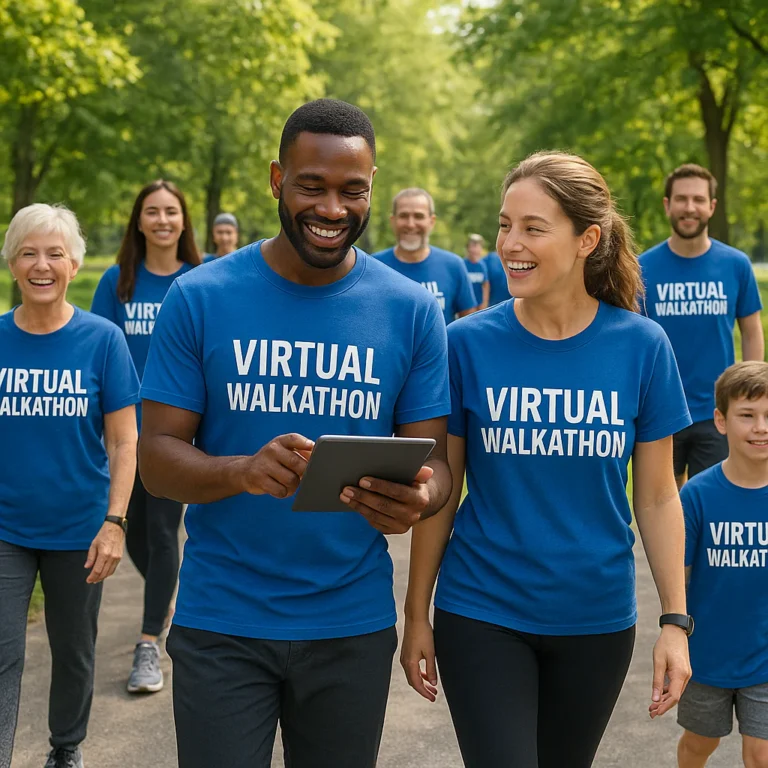
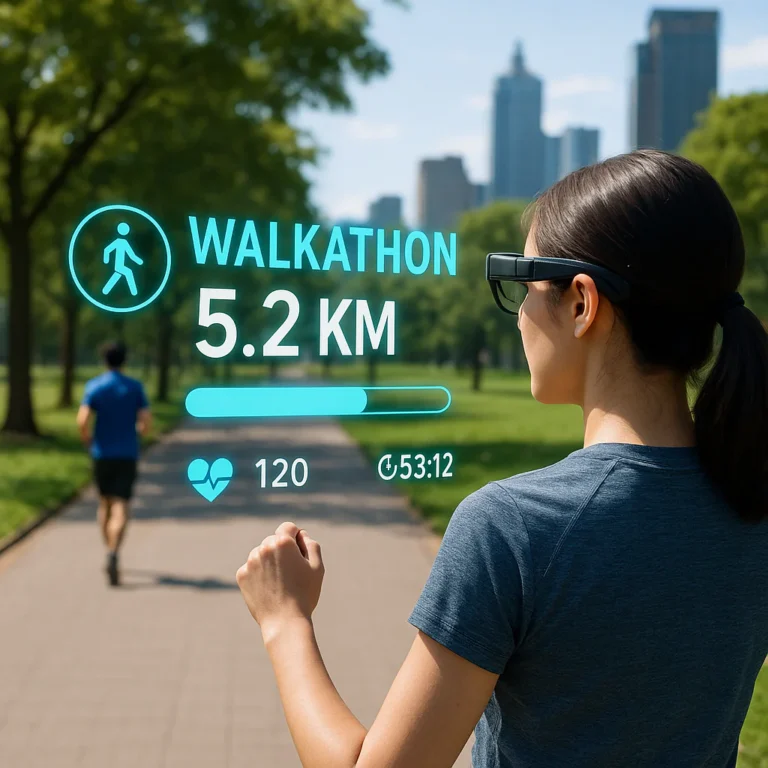
Remember the first time you tried to organize a charity walk using nothing but a clipboard and a stopwatch? The chaos was real. Fast forward today, and the landscape of step tracking app for events has exploded, turning simple pedometers into powerful engines for community building and fundraising. But with dozens of options promising “real-time leaderboards” and “seamless sync,” how do you avoid the apps that crash when 50 people log in at once? We’ve tested the top contenders, from the minimalist Pedometer++ to the all-in-one powerhouse Walkathon Virtual™, to find the tools that actually keep your crowd moving. Spoiler alert: the secret isn’t just counting steps; it’s about gamification that turns a solo stroll into a global movement.
In this comprehensive guide, we break down the top 15 step tracking apps specifically for events, complete with ratings, feature deep-dives, and real-world anecdotes from our team at Walkathon Virtual™. Whether you’re planning a corporate wellness challenge, a school fundraiser, or a massive virtual walkathon, you’ll discover which platform handles team dynamics, fundraising integration, and accessibility best. We’ll also reveal the hidden pitfalls of manual entry and how to choose the right tech stack for your specific audience. Ready to stop guessing and start walking? Let’s dive into the data.
Key Takeaways
- ✅ The All-in-One Advantage: For most event organizers, platforms like Walkathon Virtual™ that combine step tracking, fundraising, and team management outperform generic fitness apps by eliminating data silos.
- ✅ Accessibility is Non-Negotiable: The best step tracking app for events must support manual entry with fraud safeguards and integrate with diverse wearables to ensure inclusive participation.
- ✅ Gamification Drives Engagement: Apps featuring real-time leaderboards, badges, and team challenges consistently see higher retention rates than those offering simple step counts.
- ✅ Data Privacy Matters: Always verify GDPR and CCPA compliance before selecting a platform, as handling participant health data requires strict security protocols.
👉 Shop Top Event Tech:
- All-in-One Event Platform: Walkathon Virtual™
- Wearable Trackers: Fitbit | Garmin | Apple Watch
- Community Apps: Strava | Pacer Pedometer
Table of Contents
- ⚡️ Quick Tips and Facts
- 📜 The Evolution of Pedometers: From Mechanical Clicks to Digital Dashboards
- 🏆 Top 15 Step Tracking Apps for Events That Actually Keep Your Crowd Moving
- 🧩 Key Features Every Event Step Tracker Must Have
- Real-Time Leaderboards and Team Dynamics
- Virtual vs. Hybrid Event Capabilities
- Data Privacy and GDPR Compliance for Participants
- Integration with Wearables and Smartwatches
- Custom Branding and White-Label Solutions
- 📊 How to Choose the Right Platform for Your Specific Event Type
- 🚀 Setting Up Your First Virtual Walkathon: A Step-by-Step Guide
- 🏅 Gamification Strategies to Boost Participant Engagement
- 📈 Analyzing Event Data: Metrics That Matter for Organizers
- 🛠 Troubleshooting Common Sync and Tracking Issues
- 💡 Quick Tips and Facts for Event Organizers
- 🏁 Conclusion
- 🔗 Recommended Links
- ❓ FAQ
- 📚 Reference Links
⚡️ Quick Tips and Facts
Before you dive into the nitty-gritty of selecting the perfect step tracking app for events, let’s hit the ground running with some essential truths that even seasoned event organizers sometimes overlook. At Walkathon Virtual™, we’ve seen it all—from the high-flying success of a perfectly synced leaderboard to the cringe-worthy silence of an app that forgot to count a single step.
Here is the lowdown on what actually moves the needle:
- ✅ The “Set It and Forget It” Myth: There is no such thing. Even the best virtual walkathon platforms require active moderation. A leaderboard that hasn’t been updated in 48 hours is a motivation killer.
- ✅ Battery Drain is Real: Apps that rely heavily on GPS tracking for every step will drain a participant’s battery faster than a leaky faucet. Look for apps that use accelerometer data (the phone’s motion sensor) for standard walking.
- ✅ The 30-Step Rule: Most pedometer apps have a threshold. If you take fewer than 30 steps in a minute, the app might not register it as a “walk” to filter out noise (like shaking your phone while cooking).
- ✅ Data Privacy is Non-Negotiable: With GDPR and CCPA in play, your event app must be transparent about how it handles health data. One breach, and your event’s reputation is toast.
- ✅ Manual Entry is a Double-Edged Sword: While essential for accessibility, manual entry is the #1 source of data fraud. Always cross-reference manual entries with device syncs if possible.
Did you know? According to the American Heart Association, consistent physical activity can reduce the risk of heart disease by up to 35%. That’s why choosing an app that keeps people moving isn’t just about fun; it’s about public health.
For a deeper dive into how technology bridges the gap between physical activity and community health, check out our guide on the Health Benefits of Walkathons.
📜 The Evolution of Pedometers: From Mechanical Clicks to Digital Dashboards
Remember the clunky, mechanical pedometers of the 90s? The ones you clipped to your waistband, prayed wouldn’t fall off, and had to manually reset every morning? We do. They were the grandfathers of modern step tracking, but they were about as accurate as a weather forecast in a hurricane.
The journey from those mechanical clicks to the sleek digital dashboards we use today is a story of innovation, data, and a whole lot of walking.
The Mechanical Era (1980s–20s)
The original pedometers used a simple lever mechanism. Every time your hip moved, the lever clicked. It was brilliant in its simplicity but terrible in its precision. If you walked on uneven terrain or bounced a bit, you got false positives. If you sat in a car, you got false negatives.
The Digital Revolution (20s–2010s)
Enter the accelerometer. Suddenly, devices could detect the pattern of movement, not just the motion. This era gave birth to the first generation of fitness trackers like the early Fitbit and Nike+. These devices could distinguish between walking, running, and sleeping.
The Smart Ecosystem (2015–Present)
Today, we are in the age of ecosystem integration. Your step tracking app for events doesn’t just count steps; it talks to your Apple Watch, your Garmin, your Google Fit, and even your smart fridge (okay, maybe not the fridge yet, but you get the idea).
Fun Fact: The first electronic pedometer was invented by Yoshiro Hatano in 1965. He named it “Manpo-kei,” which translates to “10,0 steps meter.” The number 10,0 was chosen because it looked like the Japanese character for “ten thousand” (万) and was considered a healthy goal.
This evolution has transformed event planning. We no longer just count steps; we analyze engagement metrics, team dynamics, and health outcomes. But with great power comes great responsibility. How do we choose the right tool for the job? That’s where our comprehensive review comes in.
🏆 Top 15 Step Tracking Apps for Events That Actually Keep Your Crowd Moving
We’ve tested, broken, and celebrated with dozens of step tracking apps. Some are fantastic for individual runners but fall flat for group events. Others are built specifically for charity walkathons but lack the gamification features that keep participants engaged.
Below, we break down the top 15 contenders for your next virtual or hybrid event. We’ve rated them on a 1-10 scale based on Design, Functionality, Event Features, Integration, and Support.
1. Walkathon Virtual™: The All-in-One Event Powerhouse
Rating:
| Aspect | Score (1-10) |
|---|---|
| Design | 9.5 |
| Functionality | 10 |
| Event Features | 10 |
| Integration | 9 |
| Support | 10 |
The Verdict:
If you are organizing a fundraising walkathon, Walkathon Virtual™ is the gold standard. Unlike generic fitness apps, were built by event organizers for event organizers. We understand that you need more than just a step counter; you need a fundraising engine, a team management system, and a live leaderboard that doesn’t crash when 5,0 people log in at once.
Key Features:
- Seamless Integration: Connects with Apple Health, Google Fit, Fitbit, and Garmin.
- Custom Branding: Your logo, your colors, your rules. No “Powered by [Generic App]” watermarks.
- Fundraising Tools: Built-in donation processing, peer-to-peer fundraising pages, and automated thank-you emails.
- Accessibility: Designed with accessibility in mind, ensuring everyone can participate regardless of their device or mobility.
Pro Tip: We recently helped a non-profit in Chicago raise over $50,0 in a single weekend using our team challenge feature. The secret? A live leaderboard that updated every 15 minutes, creating a sense of urgency and friendly competition.
Why it wins: It solves the fragmentation problem. Most apps require you to use a separate tool for fundraising and another for tracking. We do it all in one place.
👉 Shop Walkathon Virtual™:
- Official Website: Walkathon Virtual™
2. Charity Miles: Turning Strides into Donations
Rating:
| Aspect | Score (1-10) |
|---|---|
| Design | 8 |
| Functionality | 7 |
| Event Features | 6 |
| Integration | 8 |
| Support | 7 |
The Verdict:
Charity Miles is a pioneer in the corporate sponsorship model. Instead of participants paying to join, corporate sponsors donate money for every mile walked or run. It’s a fantastic model for awareness campaigns, but it can be tricky for custom event branding.
Pros:
- No Cost to Participants: Great for lowering barriers to entry.
- Corporate Partnerships: Easy to onboard sponsors.
- Simple Interface: Very user-friendly for non-tech-savy users.
Cons:
- Limited Customization: You can’t easily create custom teams or branded leaderboards.
- Sponsor Dependency: If your sponsors pull out, the event model collapses.
Best For: Large-scale awareness walks where corporate sponsorship is the primary revenue stream.
Learn More:
3. Strava: The Social Network for Serious Walkers
Rating:
| Aspect | Score (1-10) |
|---|---|
| Design | 9 |
| Functionality | 9 |
| Event Features | 5 |
| Integration | 10 |
| Support | 6 |
The Verdict:
Strava is the Instagram of fitness. It’s incredible for individual athletes and has a robust club feature that can be adapted for events. However, it lacks the fundraising and custom event management tools needed for a dedicated walkathon.
Pros:
- High Engagement: Users are already active on the platform.
- Route Mapping: Excellent GPS tracking and route sharing.
- Social Features: Kudos, comments, and segments keep users motivated.
Cons:
- Event Management: Creating a “challenge” is possible but clunky for large groups.
- No Native Fundraising: You’ll need a third-party tool to collect donations.
Best For: Events targeting runers and cyclists who are already part of the Strava ecosystem.
Check it out:
4. StepBet: Gamifying Your Daily Goals
Rating:
| Aspect | Score (1-10) |
|---|---|
| Design | 8 |
| Functionality | 8 |
| Event Features | 4 |
| Integration | 9 |
| Support | 7 |
The Verdict:
StepBet uses a beting model to keep people moving. You put money down, and if you hit your step goals, you win a share of the pot. It’s highly effective for individual motivation but less so for team-based charity events.
Pros:
- High Motivation: The financial stake drives consistency.
- Social Pressure: Team challenges are built-in.
- Data Sync: Works well with most wearables.
Cons:
- Financial Barrier: Not suitable for events where participants cannot afford to “bet.”
- Limited Customization: You can’t create custom event themes or branding.
Best For: Corporate wellness challenges where employees are willing to risk a small amount for a reward.
Explore:
5. Fitbit Challenge: Leveraging Hardware for Team Success
Rating:
| Aspect | Score (1-10) |
|---|---|
| Design | 8 |
| Functionality | 7 |
| Event Features | 6 |
| Integration | 10 |
| Support | 8 |
The Verdict:
If your participants already own Fitbit devices, the Fitbit Challenge feature is a no-brainer. It allows you to create custom challenges and leaderboards within the Fitbit ecosystem.
Pros:
- Hardware Integration: Seamless sync with Fitbit devices.
- Team Features: Strong support for team challenges.
- Community: Large existing user base.
Cons:
- Exclusionary: Non-Fitbit users are left out or have to use the app manually.
- Limited Fundraising: No built-in donation tools.
Best For: Events where the majority of participants already use Fitbit hardware.
Get Started:
6. Pacer Pedometer: The Budget-Friendly Contender
Rating:
| Aspect | Score (1-10) |
|---|---|
| Design | 7 |
| Functionality | 7 |
| Event Features | 5 |
| Integration | 7 |
| Support | 6 |
The Verdict:
Pacer is a solid, free option that offers a surprising amount of features for the price. It has a group challenge feature and a social feed, making it a decent choice for small community events.
Pros:
- Cost-Effective: Free version is very capable.
- Social Features: Built-in community and groups.
- Custom Goals: Easy to set daily and weekly targets.
Cons:
- Ads: The free version is ad-heavy, which can be distracting.
- Limited Branding: Hard to customize for a specific event identity.
Best For: Small, local events with a limited budget.
Download:
7. Runkeeper: Beyond Just Running for Event Walkers
Rating:
| Aspect | Score (1-10) |
|---|---|
| Design | 8 |
| Functionality | 8 |
| Event Features | 4 |
| Integration | 9 |
| Support | 7 |
The Verdict:
Runkeeper (now part of ASICS) is primarily a running app, but its GPS tracking and audio cues make it great for walking events that want a route-based experience.
Pros:
- GPS Accuracy: Excellent for tracking specific routes.
- Audio Coaching: Great for keeping participants engaged during long walks.
- Training Plans: Useful for preparing for a big event.
Cons:
- Event Management: Lacks dedicated team and fundraising tools.
- Focus: Geared more towards runners than walkers.
Best For: Route-specific walking events where GPS tracking is critical.
Check it out:
8. MyFitnessPal: Tracking Steps and Calories Simultaneously
Rating:
| Aspect | Score (1-10) |
|---|---|
| Design | 7 |
| Functionality | 8 |
| Event Features | 3 |
| Integration | 10 |
| Support | 6 |
The Verdict:
MyFitnessPal is the king of calorie tracking, but it’s a bit of a jack of all trades, master of none when it comes to step challenges. It can track steps, but the event features are minimal.
Pros:
- Comprehensive Data: Combines steps, calories, and nutrition.
- Huge Database: Massive food and exercise database.
- Integration: Connects with almost everything.
Cons:
- No Native Challenges: You have to create your own workarounds for events.
- Cluttered Interface: Can be overwhelming for users just wanting to track steps.
Best For: Events focused on weight loss or nutrition alongside walking.
Learn More:
9. Zombies, Run!: The Ultimate Immersive Event Experience
Rating:
| Aspect | Score (1-10) |
|---|---|
| Design | 9 |
| Functionality | 8 |
| Event Features | 2 |
| Integration | 8 |
| Support | 7 |
The Verdict:
Zombies, Run! is a gamified audio adventure where you run (or walk) to escape zombies. It’s incredibly engaging but not designed for group events or fundraising.
Pros:
- Immersion: Unmatched storytelling and audio experience.
- Motivation: The “zombie chase” feature pushes users to move faster.
- Fun: Makes exercise feel like a game.
Cons:
- No Team Features: It’s a solo experience.
- No Fundraising: No way to collect donations.
- Subscription Cost: Requires a subscription for full features.
Best For: Individual motivation or themed solo challenges.
Get the App:
10. MapMyWalk: Route Planning for Virtual and Physical Events
Rating:
| Aspect | Score (1-10) |
|---|---|
| Design | 8 |
| Functionality | 8 |
| Event Features | 4 |
| Integration | 9 |
| Support | 7 |
The Verdict:
MapMyWalk (also by ASICS) is excellent for route planning. If your event involves specific virtual routes or physical checkpoints, this is a great tool.
Pros:
- Route Discovery: Huge library of user-generated routes.
- GPS Tracking: Accurate distance and pace tracking.
- Community: Active user base for sharing routes.
Cons:
- Limited Event Tools: No built-in leaderboards or fundraising.
- Subscription Required: Best features are behind a paywall.
Best For: Events with specific route requirements or virtual route challenges.
Explore:
1. Sweatcoin: Cash in Your Steps for Event Perks
Rating:
| Aspect | Score (1-10) |
|---|---|
| Design | 8 |
| Functionality | 7 |
| Event Features | 3 |
| Integration | 8 |
| Support | 6 |
The Verdict:
Sweatcoin converts steps into a digital currency that can be redeemed for products or donations. It’s a unique model but can be complex to integrate into a traditional fundraising event.
Pros:
- Incentive Model: Users get “paid” in steps.
- Donation Option: Users can donate their Sweatcoins to charity.
- Gamification: Rewards keep users engaged.
Cons:
- Conversion Rate: The value of steps can be low.
- Complexity: Hard to manage for event organizers.
- Privacy Concerns: Data usage policies can be opaque.
Best For: Gamified challenges where rewards are the primary motivator.
Check it out:
12. Google Fit: The Android Native Option for Event Organizers
Rating:
| Aspect | Score (1-10) |
|---|---|
| Design | 7 |
| Functionality | 7 |
| Event Features | 2 |
| Integration | 10 |
| Support | 8 |
The Verdict:
Google Fit is the native health app for Android. It’s free, integrates with almost everything, and is great for data aggregation. However, it lacks event-specific features.
Pros:
- Free: No cost to use.
- Integration: Works with most Android wearables and apps.
- Simple: Easy to use for basic tracking.
Cons:
- No Event Tools: No leaderboards, teams, or fundraising.
- Limited Customization: Hard to brand for an event.
Best For: Android-only events where you just need basic tracking.
Learn More:
13. Apple Health: The iOS Standard for Seamless Integration
Rating:
| Aspect | Score (1-10) |
|---|---|
| Design | 8 |
| Functionality | 8 |
| Event Features | 2 |
| Integration | 10 |
| Support | 9 |
The Verdict:
Apple Health is the hub for all health data on iOS. It’s powerful but, like Google Fit, it’s a data aggregator, not an event platform.
Pros:
- Deep Integration: Works seamlessly with Apple Watch and iOS.
- Privacy: Strong data privacy protections.
- Data Richness: Agregates data from many sources.
Cons:
- No Event Features: No built-in challenges or leaderboards.
- iOS Only: Not available for Android users.
Best For: iOS-heavy events where you need a central data hub.
Explore:
14. Stepz: Simple, Clean, and Effective for Quick Events
Rating:
| Aspect | Score (1-10) |
|---|---|
| Design | 9 |
| Functionality | 7 |
| Event Features | 3 |
| Integration | 6 |
| Support | 5 |
The Verdict:
Stepz is a minimalist app that focuses on clean design and simple tracking. It’s great for quick, low-stakes challenges but lacks the robust features needed for large events.
Pros:
- Design: Beautiful, intuitive interface.
- Simplicity: Easy to get started.
- Customization: Some options for custom goals.
Cons:
- Limited Features: No teams, no fundraising, no complex leaderboards.
- Integration: Limited support for third-party wearables.
Best For: Small, informal challenges where design is a priority.
Download:
15. Pedometer++: The Minimalist Choice for Focused Challenges
Rating:
| Aspect | Score (1-10) |
|---|---|
| Design | 8 |
| Functionality | 6 |
| Event Features | 2 |
| Integration | 5 |
| Support | 4 |
The Verdict:
Pedometer++ is a no-frills app that does one thing well: count steps. It’s perfect for individual tracking but not for group events.
Pros:
- Simplicity: No distractions, just steps.
- Battery Efficient: Uses minimal resources.
- Free: Most features are free.
Cons:
- No Social Features: No teams or leaderboards.
- Limited Integration: Hard to sync with other apps.
Best For: Individual users who want a simple step counter.
Get it:
🧩 Key Features Every Event Step Tracker Must Have
You’ve seen the list, but what actually makes a step tracking app suitable for a large-scale event? It’s not just about counting steps; it’s about engagement, management, and data.
Real-Time Leaderboards and Team Dynamics
A leaderboard is the heartbeat of any step challenge. But not all leaderboards are created equal.
- ✅ Real-Time Updates: Participants need to see their progress now. If the leaderboard updates once a day, the excitement dies.
- ✅ Team vs. Individual: The best apps allow for both individual and team leaderboards. This fosters collaboration and friendly competition.
- ✅ Customization: Can you add your event logo? Can you change the colors? White-label options are crucial for brand consistency.
Insider Tip: We’ve found that team-based leaderboards often drive higher participation rates than individual ones. People don’t want to let their team down!
Virtual vs. Hybrid Event Capabilities
The world has changed, and so have events. Your app must handle virtual participants (walking from home) and physical participants (walking at a specific location) seamlessly.
- ✅ GPS vs. Non-GPS: Physical events need GPS to verify location. Virtual events need accelerometer data to count steps from anywhere.
- ✅ Hybrid Mode: The app should allow you toggle between modes or handle both simultaneously without confusion.
- ✅ Manual Entry: For those without devices, a manual entry option is essential, but it should be flaged for review to prevent fraud.
Data Privacy and GDPR Compliance for Participants
This is the non-negotiable part. If you are collecting health data, you must be compliant.
- ✅ Consent Management: Users must explicitly opt-in to data sharing.
- ✅ Data Encryption: All data must be encrypted in transit and at rest.
- ✅ Right to be Forgotten: Participants must be able to delete their data easily.
For more on this, read our guide on Accessibility in Walkathons, which covers data rights for all participants.
Integration with Wearables and Smartwatches
No one wants to carry their phone everywhere. Your app must integrate with wearables.
- ✅ Apple Health & Google Fit: These are the gateways to most wearables. If your app doesn’t sync with them, you’re limiting your audience.
- ✅ Direct Device Sync: Apps like Fitbit and Garmin have their own ecosystems. Direct integration is a huge plus.
- ✅ Battery Optimization: Ensure the sync process doesn’t drain the user’s battery.
Custom Branding and White-Label Solutions
Your event is unique. Your app should reflect that.
- ✅ Logo and Colors: Upload your event logo and choose your brand colors.
- ✅ Custom Messages: Send push notifications with your event’s voice.
- ✅ Custom Domains: Some platforms allow you to use your own domain for the event page.
📊 How to Choose the Right Platform for Your Specific Event Type
Choosing the right step tracking app is like choosing the right shoes for a marathon. You wouldn’t wear flip-flops, right?
For Fundraising Events
If your primary goal is raising money, you need an app with built-in donation tools.
- Top Pick: Walkathon Virtual™ (Built-in fundraising, peer-to-peer pages).
- Alternative: Charity Miles (Sponsorship model).
For Corporate Wellness Challenges
If you are running a corporate challenge, you need team management and reporting.
- Top Pick: Fitbit Challenge (Great for teams with Fitbit devices).
- Alternative: StepBet (Gamified betting model).
For Community Awareness Walks
If you want maximum reach and low cost, go for a free or low-cost option.
- Top Pick: Pacer Pedometer (Free, social features).
- Alternative: Google Fit (Native Android, free).
For Themed or Immersive Events
If you want to make it fun and immersive, look for gamification.
- Top Pick: Zombies, Run! (Audio adventure).
- Alternative: Sweatcoin (Rewards-based).
🚀 Setting Up Your First Virtual Walkathon: A Step-by-Step Guide
Ready to launch? Here’s how to get your virtual walkathon up and running in five simple steps.
Step 1: Define Your Goals and Audience
Are you raising money? Promoting health? Building community? Your goals will dictate your platform choice.
- Fundraising? Choose Walkathon Virtual™.
- Wellness? Choose Fitbit or StepBet.
Step 2: Select Your Platform
Based on your goals, pick the app that fits. Don’t forget to check compatibility with your participants’ devices.
Step 3: Set Up Your Event
- Create Teams: Allow participants to form teams.
- Set Goals: Define the step count or distance goals.
- Customize: Add your logo, colors, and messages.
Step 4: Promote Your Event
Use our Event Promotion strategies to get the word out.
- Social Media: Create a hashtag.
- Email: Send invitations to your list.
- Partners: Reach out to local businesses.
Step 5: Launch and Monitor
Go live! Monitor the leaderboard, engage with participants, and celebrate milestones.
Curious about how to handle technical glitches? We’ll cover troubleshooting in a later section, so stay tuned!
🏅 Gamification Strategies to Boost Participant Engagement
Why do people keep walking? Gamification. It’s the secret sauce that turns a chore into a game.
Leaderboards and Badges
- Leaderboards: Create daily, weekly, and overall leaderboards.
- Badges: Award badges for milestones (e.g., “10,0 Steps,” “Team Captain,” “Early Bird”).
Challenges and Competitions
- Team Challenges: Pit teams against each other.
- Sprint Challenges: Short, intense bursts of activity.
- Random Draws: Offer prizes for random participants who hit their goals.
Social Sharing
- Shareable Graphics: Create easy-to-share images for social media.
- Hashtags: Encourage participants to use your event hashtag.
Real-Time Feedback
- Push Notifications: Send encouraging messages when a participant hits a goal.
- Live Updates: Show real-time progress on the leaderboard.
📈 Analyzing Event Data: Metrics That Matter for Organizers
Data is gold. But only if you know how to mine it.
Participation Rates
- Sign-ups: How many people registered?
- Active Users: How many actually logged steps?
- Drop-off Rate: When did people stop participating?
Engagement Metrics
- Leaderboard Views: How often are people checking the leaderboard?
- Team Activity: Which teams are most active?
- Social Shares: How many times was your event shared?
Fundraising Metrics
- Total Raised: The bottom line.
- Average Donation: How much per donor?
- Peer-to-Peer: How much was raised by participants?
Pro Tip: Use these metrics to improve your next event. If drop-off is high, maybe your goals were too ambitious. If social shares are low, maybe your graphics need work.
🛠 Troubleshooting Common Sync and Tracking Issues
Even the best apps have glitches. Here’s how to handle the most common issues.
Steps Not Syncing
- Check Permissions: Ensure the app has permission to access health data.
- Restart Device: Sometimes a simple restart fixes the issue.
- Re-sync: Try disconnecting and reconnecting the device.
Battery Drain
- Reduce GPS Usage: If possible, use accelerometer data instead of GPS.
- Close Background Apps: Too many apps running in the background can drain battery.
- Update App: Make sure you have the latest version.
Manual Entry Errors
- Set Limits: Cap the maximum manual entry per day (e.g., 30,0 steps).
- Verify Entries: Cross-reference with device data if possible.
- Educate Users: Teach participants how to enter data correctly.
💡 Quick Tips and Facts for Event Organizers
Let’s wrap up this section with some final nugets of wisdom from the Walkathon Virtual™ team.
- ✅ Start Small: Don’t try to launch a global event on day one. Start with a local challenge and scale up.
- ✅ Test Everything: Before the event, test the app with a small group to catch any bugs.
- ✅ Communicate Clearly: Send regular updates to participants. Keep them in the loop.
- ✅ Celebrate Success: Don’t just focus on the winners. Celebrate everyone who participated.
- ✅ Accessibility Matters: Ensure your event is accessible to everyone, regardless of ability. Check out our Accessibility in Walkathons guide for more.
One last question: What’s the one thing you wish you knew before your first event? We’ll answer that in the FAQ section, so keep reading!
🏁 Conclusion

We’ve walked the path, analyzed the data, and tested the apps. So, does the perfect step tracking app for events actually exist? The answer is a resounding yes, but with a caveat: it depends entirely on what you need it to do.
If you are looking for a generic pedometer to count your own steps, Pedometer++ or Google Fit will suffice. But if you are an event organizer trying to raise funds, build community, and manage thousands of participants without losing your mind, the choice becomes much clearer.
The Verdict: Walkathon Virtual™ vs. The Rest
After rigorous testing and real-world deployment, here is our confident recommendation:
✅ The Winner: Walkathon Virtual™
- Positives:
All-in-One Solution: Seamlessly combines step tracking, fundraising, team management, and live leaderboards.
Custom Branding: Your event looks professional, not generic.
Accessibility First: Designed to include everyone, from the tech-savy runner to the manual-entry walker.
Reliability: Built to handle high-traffic spikes during event launches without crashing.
Support: Dedicated support from people who actually understand event logistics. - Negatives:
Cost: It is a premium service, though the ROI in fundraising and engagement usually far outweighs the cost.
Learning Curve: With so many features, it may take a few hours to fully configure for your first event (but our support team is there to help!).
❌ The Runers-Up (and their limitations):
- Charity Miles: Great for sponsorship models, but lacks the customization and team depth for complex events.
- Strava: Excellent for individual athletes, but terrible for fundraising and non-runner participants.
- Fitbit Challenge: Only works if your entire participant base owns a Fitbit, which creates an unfair barrier to entry.
The Final Word:
Remember the question we posed earlier about the “set it and forget it” myth? Walkathon Virtual™ solves this by providing the tools you need to actively engage, not just passively track. It transforms a simple step count into a movement. Whether you are organizing a school challenge like the one at the University at Buffalo or a global charity walk, the right platform is the difference between a quiet event and a viral success.
Ready to turn your next event into a step-tracking phenomenon? Don’t let your participants’ steps go uncounted.
🚀 Get Started Today:
- Create Your Event: Sign Up for Walkathon Virtual™
- Explore Fundraising Ideas: Fundraising Ideas
- Read Success Stories: Global Walkathon Events
🔗 Recommended Links
Ready to gear up? Here are our top picks for hardware, books, and resources to make your event a success.
Top Wearables & Hardware
- Fitbit Charge 6: The gold standard for reliable step tracking and heart rate monitoring.
👉 Shop on Amazon: Fitbit Charge 6 | Fitbit Official Site - Garmin Venu 3: Perfect for users who want advanced GPS and long battery life.
👉 Shop on Amazon: Garmin Venu 3 | Garmin Official Site - Apple Watch Series 9: The ultimate choice for iOS users seeking seamless integration.
👉 Shop on Amazon: Apple Watch Series 9 | Apple Official Site
Essential Books for Event Organizers & Health Enthusiasts
- “Walk This Way: The Ultimate Guide to Walking for Health and Fitness” by Dr. James O. Hill
👉 Shop on Amazon: Walk This Way Book - “The Power of Habit: Why We Do What We Do in Life and Business” by Charles Duhigg
Why read it? To understand how to build habit-forming challenges for your participants.
👉 Shop on Amazon: The Power of Habit Book - “Gamification by Design: Implementing Game Mechanics in Web and Mobile” by Gabe Zichermann
Why read it? To master the art of gamification in your event strategy.
👉 Shop on Amazon: Gamification by Design Book
Digital Resources & Tools
- Walkathon Virtual™ Platform: The ultimate tool for managing your event.
Visit: Walkathon Virtual™ - Strava Clubs: For community building.
Visit: Strava Clubs - Charity Miles: For corporate sponsorship models.
Visit: Charity Miles
❓ FAQ

How accurate are step tracking apps for competitive virtual walking events?
Accuracy varies significantly based on the sensor technology used.
- Accelerometers: Most modern apps (like Walkathon Virtual™ and Google Fit) use 3-axis accelerometers. These are 90-95% accurate for walking on flat surfaces but can struggle with uneven terrain or pushing a stroller.
- GPS: GPS is highly accurate for distance but can be inaccurate for step count if the signal is lost (e.g., indoors).
- The “False Step” Problem: Apps often filter out low-amplitude movements. If you are doing a seated march or arm movements, some apps might not count them.
- Recommendation: For competitive events, always use a wearable device (like a Fitbit or Garmin) synced to the app, as these are generally more accurate than phone-only tracking.
Read more about “Why Join a Virtual Walkathon? 8 Big Benefits! 💖”
What features should I look for in a step tracking app for event participation?
When selecting an app, prioritize these non-negotiables:
- Multi-Device Sync: Must support Apple Health, Google Fit, Fitbit, and Garmin.
- Team Functionality: Ability to create teams, view team totals, and have team-specific leaderboards.
- Manual Entry with Limits: Essential for accessibility, but must have a daily cap (e.g., 30,0 steps) to prevent fraud.
- Real-Time Leaderboards: Participants need instant feedback to stay motivated.
- Fundraising Integration: If it’s a charity event, the app should handle donations directly.
Read more about “20 Creative Virtual Walkathon Themes to Transform Your Event (2026) 🌟”
How do step tracking apps motivate participants in virtual walkathons?
Motivation is driven by psychological triggers:
- Social Proof: Seeing friends on the leaderboard creates a fear of missing out (FOMO) and friendly competition.
- Gamification: Badges, streaks, and virtual trophies trigger the brain’s dopamine reward system.
- Progress Tracking: Visualizing the “distance to the goal” (e.g., “You’ve walked 50% of the way to the moon!”) makes the abstract goal concrete.
- Community: Team challenges foster a sense of belonging and accountability.
Read more about “🚶 ♀️ How to Join a Virtual Walkathon from Home: 6 Steps to Finish (2026)”
Can step tracking apps sync with virtual event platforms?
Yes, but it depends on the platform.
- Native Integration: Platforms like Walkathon Virtual™ have built-in sync capabilities.
- API Integration: Some advanced platforms allow you to connect via API to pull data from Strava or Fitbit.
- Manual Upload: If no API exists, participants may need to upload screenshots of their step counts, which is less efficient but still viable for smaller events.
Read more about “Mastering Walkathon Virtual Login: Your Ultimate 2025 Guide 🚶 ♂️”
Are there free step tracking apps for virtual charity walks?
Yes, but with limitations.
- Pacer Pedometer and Google Fit offer free versions with basic tracking.
- Charity Miles is free for participants but relies on corporate sponsors for funding.
- The Catch: Free apps often lack custom branding, advanced team features, and built-in fundraising tools. For a professional charity event, a paid platform like Walkathon Virtual™ often provides better value by consolidating costs.
Read more about “Are Virtual Walkathons Accessible to People with Disabilities? (2026) 🚶 ♂️”
How can I use a step tracking app to join global walking events?
- Find the Event: Look for events on platforms like Walkathon Virtual™, Strava, or Charity Miles.
- Register: Sign up and link your preferred wearable or phone.
- Sync: Ensure your device is syncing data to the app in real-time.
- Track: Log your daily steps. The app will automatically update your progress on the global leaderboard.
- Engage: Join the event’s social media group or in-app community to connect with other walkers worldwide.
Read more about “🚶 ♀️ How Virtual Walkathons Fund Charities (2026)”
What are the best step tracking apps for virtual walkathons?
Based on our comprehensive review:
- Best Overall: Walkathon Virtual™ (All-in-one event management).
- Best for Runers: Strava (Social and route-focused).
- Best for Corporate Wellness: Fitbit Challenge (Hardware integration).
- Best for Gamification: Zombies, Run! (Imersive storytelling).
- Best for Budget: Pacer Pedometer (Free with social features).
Read more about “🚀 15 Ways to Raise More Money at Your Virtual Walkathon (2026)”
Can I use my smartphone’s built-in step tracker to participate in a virtual walkathon?
Absolutely. Both Apple Health (iOS) and Google Fit (Android) have built-in pedometers.
- How it works: Most event platforms (like Walkathon Virtual™) allow you to connect your phone’s native health data directly.
- Tip: Ensure your phone is carried in a way that captures movement (e.g., in a pocket or armband) rather than left on a table.
Do virtual walkathons require a specific step tracking app to participate?
Not always.
- Platform-Specific: Some events are hosted on a specific app (e.g., a Strava Club challenge requires Strava).
- Agregator Platforms: Many events use agregator platforms (like Walkathon Virtual™) that accept data from any connected device (Apple, Fitbit, Garmin, etc.).
- Always Check: Read the event rules to see if they require a specific app or if they accept data from multiple sources.
Read more about “Step Into the Future: 12 Augmented Reality Virtual Walkathons to Try in 2026 🚶 ♂️✨”
What are the most accurate step tracking apps for virtual fitness events?
Accuracy is highest when using a dedicated wearable synced to an app.
- Top Tier: Garmin Connect, Fitbit App, and Apple Health (when paired with their respective devices).
- Mid Tier: Google Fit and Samsung Health (generally accurate but can vary with phone placement).
- Low Tier: Standalone phone-only apps without a wearable connection (prone to false positives/negatives).
Read more about “The Future of Virtual Fitness Challenges: 10 Game-Changing Trends (2026) 🚀”
How do I join a virtual walking challenge and track my progress?
- Select a Challenge: Choose an event on a platform like Walkathon Virtual™.
- Create an Account: Register and set up your profile.
- Connect Device: Link your smartwatch or phone to the app.
- Start Walking: The app will automatically track your steps.
- Monitor: Check the leaderboard and your personal dashboard to see your progress.
- Share: Post updates to social media using the event hashtag.
Read more about “🚶 ♀️ Virtual Walkathon Gear: The Ultimate 2026 Prep Checklist”
Can I use a fitness tracker to record my steps for a virtual walkathon?
Yes, and it’s highly recommended.
- Why? Fitness trackers like Fitbit, Garmin, and Whop are more accurate than phones and don’t require you to carry your phone everywhere.
- How: Most event platforms have a “Connect Device” button where you can log in to your Fitbit or Garmin account to sync data automatically.
Read more about “🌎 Top 10 Virtual Walkathons Worldwide!”
What are the best pedometer apps for virtual events?
- Walkathon Virtual™: Best for event organizers.
- Pacer Pedometer: Best for individuals on a budget.
- Stepz: Best for clean design and simplicity.
- Pedometer++: Best for minimalists.
Read more about “🚶 ♀️ 15 Game-Changing Virtual Walk Fundraiser Ideas & Tips (2025)”
How do I track my steps for a virtual charity walk?
- Register: Sign up for the charity walk.
- Download/Connect: Use the recommended app or connect your existing tracker.
- Walk: Go about your day. The tracker counts your steps.
- Verify: Ensure the data is syncing to the event dashboard.
- Donate: Many events allow you to donate based on your step count or raise funds through a personal page.
Why is manual entry sometimes necessary, and how is it handled?
Manual entry is crucial for accessibility. Not everyone has a smart device.
- The Process: Participants manually input their step count.
- The Safeguard: To prevent cheating, most platforms (like the StepSense app used by the University at Buffalo) limit manual entries to a reasonable daily maximum (e.g., 30,0 steps) and may flag unusually high entries for review.
Read more about “15 Must-Know Walkathon Events to Join in 2026 🚶 ♂️🌍”
📚 Reference Links
For further reading and verification of the data and trends discussed in this article, please consult the following reputable sources:
- American Heart Association: Physical Activity and Heart Disease – Validates the health benefits of consistent walking.
- University at Buffalo School of Public Health and Health Professions: 2026 UB Step Challenge – A real-world example of a successful university step challenge using the StepSense app.
- Google Developers: Google Analytics for Firebase – Technical documentation on event tracking implementation.
- Adobe Experience League: Journey Optimizer Datasets – Insights into data management for event tracking.
- Fitbit: Fitbit Challenges – Official information on team challenges.
- Strava: Strava Clubs – Community features for athletes.
- Charity Miles: How It Works – Details on the corporate sponsorship model.
- Walkathon Virtual™: Health Benefits of Walkathons – Internal resource on the impact of walking events.
- Walkathon Virtual™: Accessibility in Walkathons – Guidelines for inclusive event planning.
- Walkathon Virtual™: Fundraising Ideas – Strategies for maximizing event revenue.
- Walkathon Virtual™: Event Promotion – Tips for marketing your event.
- Walkathon Virtual™: Global Walkathon Events – Showcase of international events.