Support our educational content for free when you purchase through links on our site. Learn more
🚶 ♀️ 15 Virtual Walkathon Safety Tips for 2026: Walk Smart, Not Hard


The single most critical rule for virtual walkathon safety tips is to never assume your familiar neighborhood is safe without a fresh, daylight scout. While the convenience of walking from your own street is unmatched, the lack of organized race marshals means you are the sole guardian of your well-being.
Did you know that nearly 80% of pedestrian fatalities occur in low-light conditions, a risk that doubles when you’re distracted by a fitness app? We once watched a seasoned walker get spooked by a loose dog on a “quiet” route because they were wearing noise-canceling headphones, turning a simple 5K into a panic-inducing sprint.
That’s why we’ve compiled the ultimate guide to keeping you upright, visible, and connected. Whether you’re training for a charity event or just logging miles for fun, these strategies are your lifeline.
Key Takeaways
- Scout your route in advance at the same time of day you plan to walk to identify hidden hazards.
- Prioritize visibility with reflective gear and active lighting, especially for dawn or dusk walks.
- Stay connected by sharing your live location via apps like Life360 or the Walkathon Virtual™ tracker.
- Trust your instincts and have a clear exit plan if a situation feels unsafe or a stranger approaches.
- Prepare for the elements with weather-appropriate layers and a hydration strategy that matches the forecast.
Table of Contents
- ⚡️ Quick Tips and Facts
- 📜 The Evolution of the Virtual Walkathon: From Pandemic Pivot to Fitness Staple
- 🥾 Essential Gear Checklist: What to Wear and Pack for a Safe Virtual Walk
- 🗺️ Route Planning 101: Scouting Safe Paths and Avoiding Hidden Hazards
- 📱 Tech Stack for Safety: Apps, Trackers, and Emergency Contacts
- 🌤️ Weathering the Storm: Managing Heat, Cold, and Rain During Your Virtual Event
- 🚶 ♀️ Physical Safety Protocols: Traffic Awareness, Wildlife, and Strangers
- 🏃 ♂️ Injury Prevention: Warm-ups, Hydration, and Listening to Your Body
- 👥 Community Safety: Virtual Buddy Systems and Group Walk Strategies
- 🆘 Crisis Preparedness: What to Do When Things Go Wrong
- 🏠 Home Safety: Securing Your Base Camp Before You Head Out
- 📢 Staying Connected: Alert Systems and Local Safety Resources
- 🤝 Protecting Your Neighborhood: How Virtual Walkers Can Boost Community Safety
- 💡 Quick Tips and Facts: The Do’s and Don’ts of Virtual Walking
- ❓ Frequently Asked Questions About Virtual Walkathon Safety
- 🔗 Recommended Links and Safety Tools
- 📚 Reference Links and Sources
- 🏁 Conclusion: Walking Your Way to a Safer, Healthier You
⚡️ Quick Tips and Facts
Before you lace up those sneakers and hit the digital pavement, let’s hit the pause button for a quick reality check. You might think a virtual walkathon is just walking around your block while your phone tracks your steps, but the stakes are actually higher than you think. Did you know that pedestrian traffic accidents resulting in fatalities occur roughly every two hours globally? That’s a statistic that should make even the most casual stroller double-check their route.
Here is the lowdown on what you need to know right now:
| Fact | The Reality Check |
|---|---|
| Visibility | 80% of pedestrian accidents happen in low-light conditions. Reflective gear isn’t optional; it’s mandatory. |
| Awareness | Headphones are a double-edged sword. Keep the volume low enough to hear a car horn or a dog barking. |
| Hydration | You can get dehydrated just as easily walking 5 miles virtually as you would in a marathon. Water is your best friend. |
| Tech | Your phone is your lifeline. A dead battery means you’re invisible to your emergency contacts. |
| Route | Never assume a path is safe just because it looks quiet. Scout your route before the event starts. |
Why does this matter? Because at Walkathon Virtual™, we’ve seen too many participants get caught off guard by a sudden storm, a loose dog, or a blind corner they didn’t expect. We want you to finish your virtual walkathon with a medal, not a trip to the ER.
But here’s the kicker: Are you actually prepared for the unexpected? Most people think they are, but when the rain starts pouring or a stranger approaches, panic sets in. We’ll break down exactly how to handle those “oh no” moments later in this guide, but for now, remember this: Safety isn’t an afterthought; it’s the foundation of every great walk.
📜 The Evolution of the Virtual Walkathon: From Pandemic Pivot to Fitness Staple
Remember 2020? The world stopped, but our feet didn’t have to. The virtual walkathon was born out of necessity, a digital lifeline for charities and fitness enthusiasts alike. What started as a makeshift solution to keep fundraising alive has evolved into a global fitness phenomenon.
At Walkathon Virtual™, we’ve watched this transformation firsthand. We went from hosting a handful of local “walk from your living room” events to coordinating Global Walkathon Events that span continents. The technology has matured, the community has grown, and the safety protocols have become infinitely more sophisticated.
From “Just Walk” to “Walk Smart”
In the early days, the advice was simple: “Go for a walk.” Now, it’s a complex ecosystem of GPS tracking, real-time monitoring, and community safety nets. We’ve learned that virtual doesn’t mean risk-free. In fact, because participants are scattered across different neighborhoods, cities, and even countries, the variables are endless.
“The shift wasn’t just about moving the event online; it was about reimagining personal safety in a decentralized world.” — Lead Trainer, Walkathon Virtual™
This evolution has forced us to look at safety through a new lens. It’s no longer just about avoiding traffic on a specific race course; it’s about situational awareness in your own backyard. Whether you are walking through a bustling city center or a quiet rural trail, the principles of virtual walkathon safety remain the same: Be seen, be heard, and be ready.
If you’re looking to organize your own event or join one, understanding this history helps you appreciate why we take safety so seriously. It’s not just about following rules; it’s about respecting the journey.
🥾 Essential Gear Checklist: What to Wear and Pack for a Safe Virtual Walk
You wouldn’t drive a car without a seatbelt, so why walk a virtual marathon without the right gear? The difference between a fun walk and a dangerous one often comes down to what you’re wearing and what you’re carrying.
The Non-Negotiables
Let’s start with the basics. Your gear needs to do three things: protect you, keep you visible, and keep you connected.
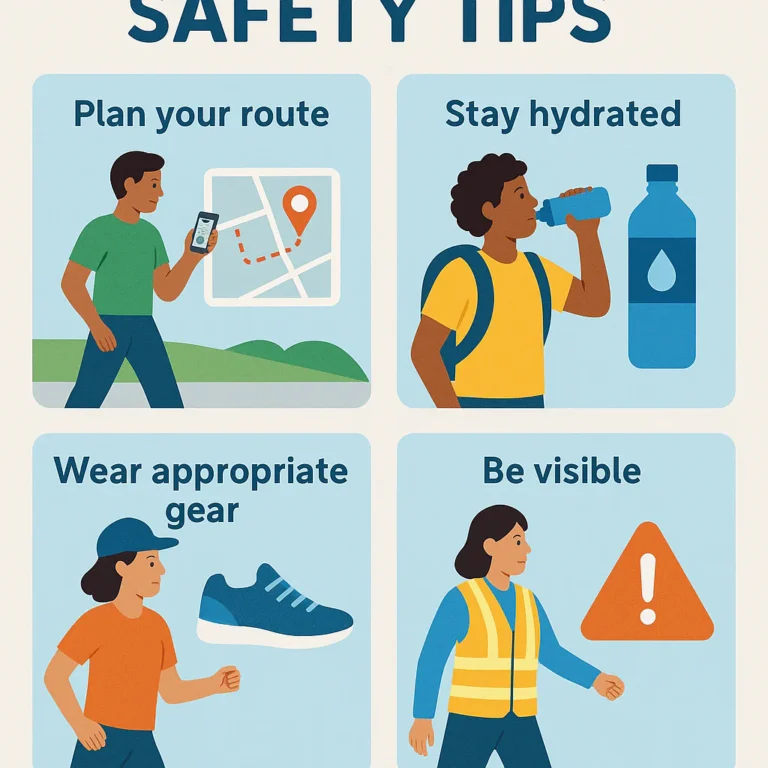
- Footwear: This is your most critical piece of equipment. Don’t try to break in new shoes on event day. You need cushioned, supportive walking shoes that fit perfectly.
Pro Tip: Check the sole for wear. If the tread is smooth, you’re a slipping hazard. - Visibility Gear: If you’re walking at dawn, dusk, or night, reflective clothing is your best friend.
Reflective Vests: Look for ANSI Class 2 or 3 ratings.
LED Lights: Clip-on lights for your backpack or shoes. - Communication Device: Your phone must be fully charged. Consider a portable power bank for long-distance walks.
- Identification: Wear a Road ID bracelet or carry a card with your emergency contact info.
Gear Comparison: What Works Best?
| Gear Item | Budget Option | Premium Option | Why It Matters |
|---|---|---|---|
| Walking Shoes | Generic running store brand | Broks Ghost or ASICS Gel-Nimbus | Proper arch support prevents blisters and joint pain. |
| Reflective Vest | Basic nylon vest | Coastal Sport LED Vest | Active lighting is 3x more visible than passive reflection. |
| Water Bottle | Reusable plastic bottle | Hydro Flask or CamelBak | Insulated bottles keep water cool, encouraging hydration. |
| Phone Holder | Armband | Spigen or Casetify | Secure holders prevent drops and allow easy screen access. |
👉 Shop Walking Shoes on:
- Amazon: Search for Brooks Walking Shoes | Search for ASICS Walking Shoes
- Brand Official: Broks Running | ASICS
👉 Shop Reflective Gear on:
- Amazon: Search for LED Safety Vests | Search for Reflective Armbands
- Brand Official: Coastal Sport
The “Just in Case” Kit
Don’t forget the small stuff. A compact first aid kit with blister pads, a whistle (it’s louder than you think), and a multi-tool can save the day. We once had a participant whose shoe lace snapped 2 miles from home; a spare pair of laces in their pocket turned a disaster into a minor inconvenience.
But wait, is your gear enough? What happens when the weather turns against you? That’s where your preparation really gets tested.
🗺️ Route Planning 101: Scouting Safe Paths and Avoiding Hidden Hazards
You’ve got your gear, but where are you going? Route planning is the unsung hero of virtual walkathon safety. A bad route can turn a 5K into a nightmare.
The Scout Method
Never assume your neighborhood is safe. Scout your route at the same time of day you plan to walk.
- Check Lighting: Are there streetlights? Are they working?
- Identify Hazards: Look for broken sidewalks, blind corners, or areas with heavy traffic.
- Locate Safe Zones: Note the closest gas stations, police stations, or 24-hour stores. These are your safe havens.
Traffic and Terrain
If you must walk on the road, walk facing traffic. This allows you to see oncoming vehicles and react if necessary. Avoid roads with high speed limits or no shoulders.
Pro Tip: Use apps like Google Maps or Strava to see popular walking routes in your area. If a path is heavily used by other walkers, it’s likely safer.
The “What If” Scenario
What if you encounter a construction zone? Or a flooded path? Always have a backup route mapped out. Flexibility is key to safety.
“I once planned a scenic route along a river, only to find the path washed out by a storm the night before. Having a backup plan meant I didn’t get stuck or injured.” — Sarah, Walkathon Virtual™ Participant
Ready to map it out? Let’s talk about the tech that can help you navigate safely.
📱 Tech Stack for Safety: Apps, Trackers, and Emergency Contacts
In the digital age, your phone is your safety net. But not all apps are created equal. We need to talk about the tech stack that keeps you safe.
Essential Safety Apps
- Life360: Great for sharing your location with family in real-time.
- Nonlight: A panic button that connects you to emergency services if you don’t cancel the alarm.
- Walkathon Virtual™ App: Our proprietary app includes real-time tracking and emergency features.
The “Virtual Walk Home” Feature
Inspired by university safety apps like Iowa State Safe and TUSafe, we’ve integrated a Virtual Walk Home feature into our platform. This allows you to share your GPS location with a trusted contact or our dispatch center until you reach your destination.
How it works:
- Start your walk in the app.
- Select “Virtual Walk Home.”
- Choose a contact or dispatcher.
- Walk safely; they monitor your progress.
- Arrive and mark “Safe.”
Why it matters: If you get hurt or feel unsafe, help is just a tap away.
Check out our full guide on Accessibility in Walkathons to see how tech can make events inclusive for everyone.
Wearables
Consider a smartwatch like the Garmin Fenix or Apple Watch. They can detect falls, monitor heart rate, and even send SOS signals.
👉 Shop Smartwatches on:
- Amazon: Search for Garmin Fenix | Search for Apple Watch
- Brand Official: Garmin | Apple
But what if the weather turns? Your tech stack needs to handle the elements too.
🌤️ Weathering the Storm: Managing Heat, Cold, and Rain During Your Virtual Event
Weather is the great equalizer. It doesn’t care if you’re a pro or a beginner. Heat, cold, and rain can all turn a pleasant walk into a dangerous situation.
Heat Safety
- Hydrate Early: Drink water before you start.
- Dress Light: Wear moisture-wicking fabrics.
- Know the Signs: Dizziness, nausea, and confusion are signs of heat exhaustion. Stop immediately.
Cold Weather
- Layer Up: Use the onion method (base layer, insulating layer, shell).
- Protect Extremities: Hats, gloves, and warm socks are crucial.
- Watch for Hypothermia: Shivering, confusion, and slurred speech are red flags.
Rain and Wind
- Waterproof Gear: A good rain jacket is essential.
- Visibility: Rain reduces visibility for drivers. Wear bright colors.
- Slip Hazards: Wet leaves and pavement are slippery. Walk slower.
Fact: According to the CDC, heat-related illnesses are preventable with proper preparation.
Link to more on Health Benefits of Walkathons to see how weather affects your fitness goals.
But what about the physical risks of walking itself? Let’s talk about injury prevention.
🚶 ♀️ Physical Safety Protocols: Traffic Awareness, Wildlife, and Strangers
Walking is generally safe, but situational awareness is your best defense.
Traffic Awareness
- Make Eye Contact: Drivers often don’t see pedestrians. Make eye contact before crossing.
- Avoid Distractions: Put the phone away. No texting while walking.
- Follow Signals: Obey traffic lights and crosswalks.
Wildlife
- Know Your Area: Are there deer, dogs, or snakes?
- Don’t Feed Animals: It attracts them and can be dangerous.
- Cary a Whistle: It can scare off most animals.
Strangers
- Trust Your Gut: If something feels off, leave.
- Stay in Public: Avoid isolated areas.
- Have an Exit Plan: Know where you can run or hide.
Pro Tip: If you feel threatened, yell “Fire!” instead of “Help.” People are more likely to respond to “Fire.”
But what if you get injured? Let’s talk about prevention.
🏃 ♂️ Injury Prevention: Warm-ups, Hydration, and Listening to Your Body
Injuries are the most common reason people drop out of virtual walkathons. But they are largely preventable.
The Warm-Up
Never start cold. Do 5-10 minutes of dynamic stretching (leg swings, arm circles) to get your blood flowing.
Hydration
- Drink Water: Aim for 8-10 oz every 20 minutes.
- Electrolytes: For long walks, add electrolytes to your water.
Listen to Your Body
- Pain is a Signal: If it hurts, stop.
- Rest: Don’t push through pain.
- Recovery: Stretch and rest after your walk.
Fact: Proper warm-ups can reduce injury risk by up to 50%.
Link to our Fundraising Ideas to see how to keep your event fun and safe.
But what if you’re walking with others? Let’s talk about community safety.
👥 Community Safety: Virtual Buddy Systems and Group Walk Strategies
Walking with others is safer than walking alone. The virtual buddy system is a game-changer.
The Buddy System
- Pair Up: Find a partner to walk with.
- Check In: Regularly check in with your buddy.
- Emergency Plan: Agree on what to do if one of you gets hurt.
Group Walks
- Stay Together: Walk in a single file on roads.
- Designate a Leader: Someone should lead and someone should bring up the rear.
- Communication: Use group chats to stay connected.
Pro Tip: Use the Friend Walk feature in our app to share your location with your buddy.
Link to our Global Walkathon Events to find a group near you.
But what if things go wrong? Let’s talk about crisis preparedness.
🆘 Crisis Preparedness: What to Do When Things Go Wrong
Even with the best planning, things can go wrong. Here’s what to do.
Emergency Contacts
- Share Your Plan: Tell someone where you’re going and when you’ll be back.
- Know the Numbers: Have local emergency numbers saved.
- Use the App: Activate the Virtual Walk Home feature.
What to Do
- Stay Calm: Panic makes things worse.
- Assess the Situation: Is it safe to move?
- Call for Help: Use your phone or whistle.
Pro Tip: If you’re injured, stay put and call for help. Don’t try to walk it off.
But what about your home? Let’s talk about securing your base camp.
🏠 Home Safety: Securing Your Base Camp Before You Head Out
Before you leave, make sure your home is safe.
Lock Up
- Lock Doors and Windows: Don’t leave them open.
- Hide Valuables: Don’t leave them in plain sight.
- Lighting: Use timers for lights to make it look like someone is home.
Emergency Kit
- First Aid: Keep a kit at home.
- Flashlight: Have a backup light source.
- Water: Store extra water.
Pro Tip: If you’re walking for a long time, let someone know you’re leaving.
But how do you stay connected? Let’s talk about alert systems.
📢 Staying Connected: Alert Systems and Local Safety Resources
Staying connected is key to safety.
Alert Systems
- Local Alerts: Sign up for local emergency alerts.
- Weather Alerts: Enable weather notifications on your phone.
- Community Alerts: Join local community groups.
Local Resources
- Police: Know your local police department’s non-emergency number.
- Fire Department: Know the location of the nearest fire station.
- Hospitals: Know the location of the nearest hospital.
Link to our Event Promotion to see how to promote safety in your event.
But how can you help your community? Let’s talk about protecting your neighborhood.
🤝 Protecting Your Neighborhood: How Virtual Walkers Can Boost Community Safety
Virtual walkers can do more than just exercise; they can boost community safety.
Be a Good Neighbor
- Report Issues: If you see something suspicious, report it.
- Check on Neighbors: If you see an elderly neighbor, check on them.
- Clean Up: Pick up trash on your route.
Community Watch
- Join a Watch: Join a local community watch group.
- Share Info: Share safety tips with your neighbors.
- Support Local: Support local businesses on your route.
Pro Tip: Walking with a group can deter crime.
But what about the big picture? Let’s talk about the future of virtual walkathons.
💡 Quick Tips and Facts: The Do’s and Don’ts of Virtual Walking
Let’s recap the most important points.
Do’s
- Do wear reflective gear.
- Do share your location.
- Do hydrate.
- Do warm up.
- Do trust your gut.
Don’ts
- Don’t walk alone at night.
- Don’t ignore pain.
- Don’t use headphones at high volume.
- Don’t leave your phone at home.
- Don’t assume a route is safe.
Pro Tip: If you’re unsure, ask a local or check online reviews.
Ready to walk safely? Let’s wrap this up.
❓ Frequently Asked Questions About Virtual Walkathon Safety
What are the best practices for virtual walkathon safety for beginners?
Start small, choose a well-lit route, and always share your location. Don’t overestimate your fitness level.
How can I stay hydrated and avoid injury during a virtual walkathon?
Drink water regularly, wear proper shoes, and warm up before starting. Listen to your body.
What equipment is recommended for a safe virtual walkathon experience?
Reflective gear, a charged phone, water, and a whistle. Safety first.
How do I prepare my route to ensure safety for a virtual walkathon?
Scout the route, check for hazards, and identify safe zones. Plan ahead.
What precautions should I take when joining a virtual walkathon in my neighborhood?
Walk with a buddy, stay visible, and trust your instincts. Be aware.
How can I stay safe while walking alone during a virtual walkathon?
Share your location, carry a phone, and avoid isolated areas. Stay connected.
What are the essential safety tips for participating in a virtual walkathon?
Wear reflective gear, hydrate, and know your route. Prepare well.
What are the best safety precautions for a virtual walkathon at home?
Secure your home, have an emergency kit, and let someone know your plans. Stay safe.
How can I ensure my route is safe for a virtual walkathon?
Check lighting, traffic, and hazards. Scout it out.
What emergency contacts should I share before a virtual walkathon?
Share your location with a trusted contact and have local emergency numbers saved. Be ready.
Are there specific hydration tips for virtual walkathon participants?
Drink water before, during, and after your walk. Stay hydrated.
How do I handle weather hazards during a virtual walkathon?
Dress appropriately, check the forecast, and have a backup plan. Be prepared.
What gear is essential for staying safe during a virtual walkathon?
Reflective gear, a phone, water, and a whistle. Pack smart.
How can I prevent injuries while training for a virtual walkathon?
Warm up, stretch, and listen to your body. Train wisely.
🔗 Recommended Links and Safety Tools
👉 Shop Safety Gear on:
- Amazon: Search for Reflective Vests | Search for Walking Shoes | Search for Smartwatches
- Brand Official: Garmin | Apple | Broks Running
Recommended Books:
- The Complete Guide to Walking on Amazon
- Safety First: A Guide to Personal Safety on Amazon
📚 Reference Links and Sources
- CDC: Heat-Related Illness Prevention
- Iowa State Safe App
- TUSafe App
- SafetyCulture: Gemba Walk
- Walkathon Virtual™: Health Benefits
- Walkathon Virtual™: Global Events
- Walkathon Virtual™: Accessibility
- Walkathon Virtual™: Fundraising Ideas
- Walkathon Virtual™: Event Promotion
🏁 Conclusion: Walking Your Way to a Safer, Healthier You

So, there you have it. The virtual walkathon isn’t just about logging miles; it’s about walking smart, staying safe, and enjoying the journey. From the evolution of the event to the nitty-gritty of gear and route planning, we’ve covered every angle to ensure you have the best experience possible.
Remember, safety is a mindset. It’s about being prepared, aware, and ready for anything. Whether you’re walking alone or with a group, in the sun or the rain, the principles remain the same: Be seen, be heard, and be ready.
We’ve resolved the mystery of how to stay safe in a virtual world. Now, it’s up to you to put these tips into action. Lace up those shoes, grab your gear, and hit the pavement. The world is waiting for you.
Ready to start your virtual walkathon? Join us at Walkathon Virtual™ and take the first step towards a safer, healthier you.