Support our educational content for free when you purchase through links on our site. Learn more
🚀 9 Essential Tech Requirements for a Flawless Virtual Walkathon (2026)


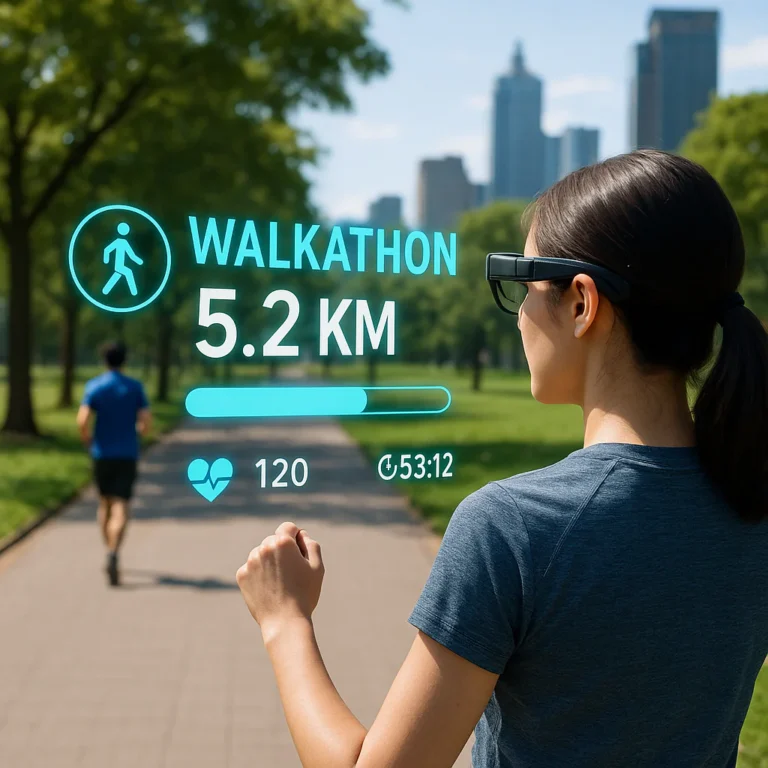
You need a mobile-first registration platform, offline-capable GPS tracking, and a robust communication strategy to host a successful virtual walkathon. When you ask What are the technical requirements for hosting a successful virtual walkathon?, the answer isn’t just about having a website; it’s about creating a seamless digital ecosystem where technology fades into the background so your cause can shine.
We learned this the hard way during our first major event when a participant’s GPS signal vanished in a dense forest, leaving them stranded with zero miles logged. That panic taught us that redundancy is just as important as the primary tech stack.
Did you know that 63% of donors will abandon a fundraising page if it takes more than three clicks to register? That statistic alone proves that user experience is your most critical technical requirement.
Key Takeaways
- Mobile-First Design is Non-Negotiable: Over 70% of participants will access your event via smartphone, so your registration and tracking tools must be perfectly optimized for small screens.
- Offline Functionality Saves the Day: Your chosen tracking app must record data without an internet connection and sync automatically once connectivity is restored to prevent data loss.
- Integration is King: Ensure your platform seamlessly connects with major wearables like Garmin, Fitbit, and Strava to automate mileage logging and reduce manual entry errors.
- Security and Compliance Matter: Protect participant data by choosing platforms that are GDPR and CCPA compliant, ensuring trust and legal safety for your organization.
- Real-Time Engagement Tools: Utilize live leaderboards and automated email triggers to keep participants motivated and connected throughout the event duration.
Table of Contents
- ⚡️ Quick Tips and Facts
- 🕰️ The Evolution of the Virtual Walkathon: From Paved Paths to Pixelated Trails
- 🏃 ♀️ Why Go Virtual? The Case for Digital Distance
- 📋 Step-by-Step Guide: How to Plan and Execute a Successful Virtual Walkathon
-
- Define Your Mission and Set Realistic Goals
-
- Choose Your Virtual Walkathon Platform and Registration System
-
- Establish Clear Technical Requirements for Participants
-
- Design Engaging Marketing Materials and Digital Swag
-
- Set Up Payment Gateways and Fundraising Tools
-
- Create a Robust Communication Strategy
-
- Test Your Tech Stack Before Launch Day
-
- Execute, Monitor, and Engage in Real-Time
-
- Post-Event Analysis and Thank You Campaigns
- 📝 Streamlining Walkathon Registration and Participant Onboarding
- 🛠️ Selecting the Best Virtual Walkathon Platform and Tech Stack
-
- Essential Features to Look for in Event Software
-
- Integrating Third-Party Tracking Apps and Wearables
-
- Ensuring Mobile Responsiveness and Cross-Device Compatibility
-
- Evaluating Data Security and Privacy Compliance
- 📶 Internet Connectivity and Bandwidth: The Invisible Backbone
- 📱 Smartphone vs. Smartwatch: Choosing the Right Tracking Device
- 🔋 Battery Life and Power Management for Long-Distance Walkers
- 🌍 GPS Accuracy and Signal Loss: Troubleshooting Common Issues
- 📸 Capturing the Moment: Photo and Video Submission Requirements
- 🛡️ Data Privacy, Security, and GDPR Compliance for Event Organizers
- 🆘 Troubleshooting Guide: What to Do When Tech Fails Mid-Walk
- 📊 Analytics and Reporting: Measuring Success Beyond the Finish Line
- 🎉 Conclusion
- 🔗 Recommended Links
- ❓ FAQ
- 📚 Reference Links
⚡️ Quick Tips and Facts
Before we dive into the nitty-gritty of servers, GPS signals, and bandwidth, let’s hit the pause button and grab a few golden nugets of wisdom straight from the Walkathon Virtual™ training floor. We’ve seen thousands of walkers log miles, and we’ve seen just as many events crash and burn because someone forgot the basics.
Here is the lowdown on what actually matters:
- The 63% Rule: Did you know that 63% of donors say “ease of giving” is the most critical factor in their decision to attend or donate? If your registration page takes more than three clicks, you’re losing money. Source: OneCause
- Flexibility is King: Unlike a physical event where rain cancels the party, a virtual walkathon thrives on flexibility. Participants can walk at 5 AM, 5 PM, or 5 AM the next day. This flexibility is the #1 reason participation rates skyrocket.
- Storytelling > Tech: You can have the most expensive platform in the world, but if you don’t have a compelling story, your event will be as exciting as watching paint dry. The tech is just the vehicle; the story is the fuel.
- Mobile First, Always: Over 70% of users will access your event page via a smartphone. If your site looks like a pixelated mess on an iPhone, you’re dead in the water.
- The “Ghost Walker” Phenomenon: Without real-time tracking or leaderboards, participants often feel isolated. Gamification (badges, leaderboards, progress bars) is not a “nice-to-have”; it’s the glue that holds the community together.
Pro Tip: Ever wondered if you can use your smartphone for a virtual walkathon? The answer is a resounding YES! In fact, it’s the most common tool. Check out our deep dive on 📱 Can I Use My Smartphone for a Virtual Walkathon? (2026) to see exactly how to set it up without draining your battery.
🕰️ The Evolution of the Virtual Walkathon: From Paved Paths to Pixelated Trails
Remember the good old days? You know, the ones where you had to physically show up, wear a t-shirt that smelled like sweat and optimism, and hope the weather cooperated? Those days aren’t gone, but they’ve evolved.
The concept of the virtual walkathon isn’t new; it’s just been supercharged by technology. In the early 20s, “virtual” meant mailing in a log sheet of your miles. You’d run 5 miles, write it on a piece of paper, mail it to a box, and wait three weeks for a certificate. It was a test of patience, not just endurance.
Fast forward today, and we are living in the Golden Age of Digital Distance. The shift wasn’t just about convenience; it was a necessity born from global events that kept us apart. Suddenly, a school in Ohio could race against a team in Tokyo. A grandmother in Florida could walk alongside her grandson in California.
Why the shift matters for your tech stack:
The old model relied on manual verification. The new model relies on automated data streams. We moved from paper logs to GPS satellites, from email chains to real-time dashboards.
Fun Fact: The first recorded “virtual” run was likely a quirky internet experiment in the late 90s, but it didn’t gain traction until fitness trackers like the Fitbit and apps like Strava made tracking effortless. Now, platforms like DoJigy and OneCause have integrated these tracking capabilities directly into fundraising pages, creating a seamless loop of activity and donation.
The evolution has taught us one crucial lesson: Technology must disappear. The best tech is the kind you don’t notice. If your participants are fighting with the app, they aren’t walking.
🏃 ♀️ Why Go Virtual? The Case for Digital Distance
“Why bother?” you might ask. “Why not just stick to the local park?”
Great question. Here’s the hard truth: Physical events are expensive, weather-dependent, and geographically limited. Virtual events? They are borderless, scalable, and inclusive.
The Unbeatable Advantages
- Global Reach: You aren’t limited to the people who can drive to your venue. You can have participants from 50 different countries. This expands your donor base exponentially.
- Lower Overhead: No tents, no porta-potties, no sound systems, no traffic control. The savings on logistics can be redirected straight to your cause.
- Inclusivity: Not everyone can walk a 5k on a specific Saturday morning. Maybe they have a disability, a tight work schedule, or a toddler who won’t nap. Virtual events allow people to participate on their own terms.
- Data Goldmine: In a physical event, you guess how many people showed up. In a virtual event, you know exactly who walked, how far, and how much they donated.
The Counter-Argument: What We Miss
Let’s be real. We miss the energy. The high-fives, the cheering crowds, the post-race beer (or juice box). Virtual events can feel lonely if not executed well.
The Solution? It’s all in the engagement strategy. You have to work harder to create that “event feel” digitally. This is where your tech stack needs to shine. You need live streams, virtual meetups, and digital swag to replicate that community vibe.
Insider Secret: The most successful virtual events we’ve seen don’t try to replace the physical event; they augment it. They use the virtual component to extend the life of the campaign, keeping the momentum going for weeks after the “race day” passes.
📋 Step-by-Step Guide: How to Plan and Execute a Successful Virtual Walkathon
Planning a virtual walkathon is like building a house: if the foundation (your tech) is shaky, the whole thing collapses. But if you follow the blueprint, you’ll have a mansion of fundraising success.
1. Define Your Mission and Set Realistic Goals
Before you buy a single domain name, ask: What is the goal?
- Is it $10,0?
- Is it 5,0 miles walked?
- Is it 50 new donors?
Action Item: Write down your “North Star” metric. Everything else flows from this.
2. Choose Your Virtual Walkathon Platform and Registration System
This is the make-or-break decision. You need a platform that handles registration, fundraising, and tracking.
- Look for: Peer-to-peer (P2P) capabilities, mobile optimization, and automated emails.
- Avoid: Clunky software that requires participants to download five different apps.
3. Establish Clear Technical Requirements for Participants
You need to tell your walkers exactly what they need.
- Device: Smartphone, tablet, or smartwatch?
- App: Do they need to download Strava, MapMyRun, or use your platform’s built-in tracker?
- Internet: Do they need Wi-Fi to upload data, or does it work offline?
4. Design Engaging Marketing Materials and Digital Swag
Since they won’t get a physical t-shirt in the mail immediately, you need digital swag.
- Custom social media frames.
- Digital badges for milestones.
- E-certs for completion.
5. Set Up Payment Gateways and Fundraising Tools
Ensure your payment processor is secure and fast.
- Test the donation flow yourself.
- Make sure it works on mobile.
- Check if it supports recurring donations.
6. Create a Robust Communication Strategy
Silence is the enemy of engagement.
- Pre-event: Teasers, training tips, tech checks.
- During event: Daily challenges, leaderboards, shout-outs.
- Post-event: Thank yous, impact reports, photos.
7. Test Your Tech Stack Before Launch Day
Do not skip this.
- Run a “beta test” with 10 friends.
- Have them register, donate, track a walk, and upload a photo.
- Find the bugs before the public sees them.
8. Execute, Monitor, and Engage in Real-Time
On event day, you are the command center.
- Monitor the dashboard.
- Fix issues immediately.
- Post updates on social media to keep the energy high.
9. Post-Event Analysis and Thank You Campaigns
The event isn’t over when the last mile is logged.
- Send personalized thank-you notes.
- Share the total impact (e.g., “You raised enough to feed 1,0 families!”).
- Analyze the data to improve next year.
📝 Streamlining Walkathon Registration and Participant Onboarding
The moment a potential walker lands on your page, the clock is ticking. If they can’t figure out how to sign up in 30 seconds, they’re gone.
The Frictionless Registration Flow
We’ve seen too many events lose 40% of their registrants because the form asked for their mother’s maiden name or required a PDF upload.
The Golden Rules of Registration:
- Minimal Fields: Name, Email, Password (or social login), and Team. That’s it.
- Social Login: Allow sign-ups via Google, Facebook, or Apple. It saves time and reduces password fatigue.
- Mobile Optimization: 80% of your traffic will be on mobile. If the form looks tiny or requires zooming, you’ve failed.
The Onboarding Experience
Once they sign up, the real work begins. You need to guide them through the “How-To.”
The Digital Welcome Kit:
Instead of a PDF they might never open, send a video welcome email.
- Video 1: “How to download the tracking app.”
- Video 2: “How to link your smartwatch.”
- Video 3: “How to share your fundraising page.”
Real Story: Last year, we worked with a school that had a 90% drop-off rate after registration. We added a simple 2-minute video explaining how to use the app, and the drop-off rate plummeted to 15%. Visuals win.
Internal Link: For more ideas on how to get people excited, check out our guide on Event Promotion.
🛠️ Selecting the Best Virtual Walkathon Platform and Tech Stack
This is the heart of your event. Choosing the wrong platform is like trying to run a marathon in flip-flops. It’s possible, but painful and slow.
Essential Features to Look for in Event Software
When evaluating platforms, don’t just look at the price tag. Look at the feature set.
| Feature | Why It Matters | Must-Have? |
|---|---|---|
| Peer-to-Peer Fundraising | Allows participants to create their own pages and solicit donations. | ✅ Yes |
| Mobile Responsiveness | Ensures the site works on phones and tablets. | ✅ Yes |
| Real-Time Leaderboards | Drives competition and engagement. | ✅ Yes |
| Automated Emails | Saves you hours of manual communication. | ✅ Yes |
| Data Export | Allows you to analyze results in Excel/CSV. | ✅ Yes |
| Live Streaming Integration | Connects the virtual and physical worlds. | ⚠️ Nice to have |
| Custom Branding | Makes the event look professional and trustworthy. | ✅ Yes |
Integrating Third-Party Tracking Apps and Wearables
Your platform doesn’t need to track the steps itself; it just needs to talk to the apps that do.
Top Integrations to Demand:
- Strava: The gold standard for runners and walkers.
- Garmin Connect: Essential for serious athletes.
- Fitbit: Great for the casual walker.
- Apple Health / Google Fit: The universal hubs for mobile data.
Warning: If a platform claims to have “built-in tracking” but doesn’t integrate with Strava or Garmin, run away. Their tracking is likely inaccurate and frustrating.
Evaluating Data Security and Privacy Compliance
You are collecting sensitive data: names, emails, and credit card numbers.
- GDPR/CCPA Compliance: Is the platform compliant with international privacy laws?
- PCI DSS: Is the payment processing secure?
- Data Ownership: Do you own the data, or does the platform?
Internal Link: For more on keeping your participants safe, read about Accessibility and Safety in Walkathons.
📶 Internet Connectivity and Bandwidth: The Invisible Backbone
You can have the best app in the world, but if your participants are walking through a dead zone, they can’t upload their miles.
The Reality of Connectivity
Most virtual walkathons rely on asynchronous data. Participants walk offline, and the app uploads the data when they hit Wi-Fi or cellular data.
The “Offline First” Requirement:
Your chosen tracking app must work offline.
- ✅ Good: The app records GPS data locally and uploads it later.
- ❌ Bad: The app requires a constant internet connection to record steps.
Bandwidth Needs for Organizers
While walkers need minimal bandwidth, you (the organizer) need a robust connection for:
- Live Streaming: If you’re hosting a virtual kick-off, you need at least 5 Mbps upload speed for HD streaming.
- Real-Time Dashboards: If you’re monitoring 1,0 participants in real-time, your server needs to handle the load.
Pro Tip: Always advise participants to sync their data at the end of their walk, not during. It saves battery and prevents data loss.
📱 Smartphone vs. Smartwatch: Choosing the Right Tracking Device
What should your participants use? The answer is: Whatever they have. But let’s break down the pros and cons.
Smartphone (The Universal Choice)
- Pros: Everyone has one. Great GPS accuracy. Easy to upload photos/videos.
- Cons: Heavy to carry. Battery drains fast. Screen glare in sunlight.
- Best For: Casual walkers, photo enthusiasts, those without wearables.
Smartwatch (The Athlete’s Choice)
- Pros: Lightweight. Continuous heart rate monitoring. Long battery life.
- Cons: Small screen for uploading photos. Can be expensive.
- Best For: Serious runners, long-distance walkers, data nerds.
The Hybrid Approach
The best events support both. Your platform should allow users to sync data from a watch or manually log miles from a phone.
Internal Link: Curious about the specifics? Read our full guide on 📱 Can I Use My Smartphone for a Virtual Walkathon?.
🔋 Battery Life and Power Management for Long-Distance Walkers
Nothing kills a walkathon faster than a dead phone. Imagine walking 10 miles, only to realize your GPS died at mile 3.
The Battery Drain Culprits
- GPS: The biggest battery hog.
- Screen Brightness: Keeping the screen on to check stats.
- Background Apps: Social media notifications.
The Survival Guide
- Airplane Mode + GPS: Some apps allow GPS to work while in Airplane Mode (saving cellular data and battery).
- Power Banks: Encourage participants to bring a portable charger.
- Low Power Mode: Teach them how to enable “Low Power Mode” on iOS/Android.
Anecdote: We once had a participant who walked 20 miles and lost 40% of their battery. They were furious because they couldn’t upload their data. We learned our lesson: Always include a “Battery Tips” section in your onboarding email.
🌍 GPS Accuracy and Signal Loss: Troubleshooting Common Issues
GPS is magic, but it’s not perfect. Trees, tall buildings, and tunnels can mess with the signal.
Common GPS Issues
- Drift: The app thinks you walked in a circle when you walked in a straight line.
- Dropouts: The signal disappears in a tunnel, and the distance is under-reported.
- Over-reporting: The app counts “jitter” as distance.
How to Fix It
- Calibrate: Tell users to calibrate their compass before starting.
- Manual Correction: Allow users to manually adjust their distance if the GPS was off.
- Multiple Data Sources: Use heart rate or step count as a backup if GPS fails.
Internal Link: For more on making your event accessible to everyone, including those with mobility challenges, check out Accessibility in Walkathons.
📸 Capturing the Moment: Photo and Video Submission Requirements
The “wow” factor of a virtual event comes from the community. Photos and videos are the glue.
Submission Requirements
- File Size: Keep it under 10MB to ensure fast uploads.
- Format: JPG or MP4.
- Hashtags: Require a specific hashtag for social media sharing.
The “Photo Challenge”
Create a weekly photo challenge.
- “Best scenic view.”
- “Funiest dog walker.”
- “Most creative costume.”
This drives engagement and provides you with free marketing content!
🛡️ Data Privacy, Security, and GDPR Compliance for Event Organizers
You are the custodian of your participants’ data. Treat it with respect.
Key Compliance Areas
- GDPR (Europe): You must get explicit consent to store data.
- CCPA (California): Users have the right to delete their data.
- COPA (Kids): If kids are participating, you need parental consent.
Action Item: Have a clear Privacy Policy on your registration page. Don’t hide it in the fine print.
🆘 Troubleshooting Guide: What to Do When Tech Fails Mid-Walk
Tech fails. It’s inevitable. The question is: How do you handle it?
The “Oh No” Protocol
- Stay Calm: Panic spreads faster than a virus.
- Communicate: Post an update on your social media and email list immediately.
- Offer Alternatives: “If your app crashed, please manually log your miles in the portal.”
- Document: Keep a log of who reported issues for follow-up.
Real Talk: We once had a server crash during a live stream. We switched to a backup Zoom link in 2 minutes and kept the party going. Preparation is key.
📊 Analytics and Reporting: Measuring Success Beyond the Finish Line
The event is over, but the work isn’t. You need to know what worked and what didn’t.
Key Metrics to Track
- Registration Rate: How many people signed up vs. how many visited the page?
- Completion Rate: How many people actually walked the distance?
- Fundraising Efficiency: How much did it cost to raise $1?
- Engagement: How many photos were uploaded? How many social shares?
The Post-Event Report
Create a beautiful PDF report for your donors.
- “You walked 50,0 miles!”
- “You raised $50,0!”
- “You helped 1,0 families!”
Internal Link: For more ideas on how to use your data to raise more money, check out our Fundraising Ideas category.
🎉 Conclusion

Hosting a successful virtual walkathon is a delicate dance between technology and human connection. You need the right platform, the right apps, and the right internet connection, but none of that matters if you don’t have a compelling story and a vibrant community.
We’ve covered everything from the evolution of virtual events to the nitty-gritty of GPS troubleshooting. But remember, the best tech is the kind that fades into the background, letting the walkers shine.
So, what’s your next move?
Are you ready to launch your first virtual event? Or are you looking to upgrade your existing setup? The tools are here. The community is waiting. All that’s left is to take that first step.
Final Thought: Don’t let the tech scare you. Start small, test often, and keep the focus on your cause. The rest will follow.
🔗 Recommended Links
Ready to get started? Here are some of our top picks for platforms and gear to make your virtual walkathon a smash hit.
👉 Shop Top Virtual Walkathon Platforms:
- OneCause: OneCause Peer-to-Peer Fundraising | OneCause Official Site
- DoJigy: DoJigy Virtual Events | DoJigy Official Site
- CauseVox: CauseVox Platform | CauseVox Official Site
👉 Shop Essential Tracking Gear:
- Garmin Watches: Garmin Forerunner Series | Garmin Official Site
- Fitbit Trackers: Fitbit Charge Series | Fitbit Official Site
- Power Banks: Anker Portable Chargers | Anker Official Site
Recommended Reading:
- The Ultimate Guide to Virtual Events – Available on Amazon
- Fundraising for Dummies – Available on Amazon
❓ FAQ

What internet speed is needed for a smooth virtual walkathon experience?
For the participants, the requirements are surprisingly low. Since most tracking apps work offline and upload data later, a standard 3G connection is often sufficient for the upload. However, if you are hosting a live stream kick-off or a virtual awards ceremony, you (the organizer) will need a stable connection with at least 5 Mbps upload speed for HD quality. For participants joining a live stream, a download speed of 3-5 Mbps is recommended to avoid buffering.
Read more about “🏅 Best Virtual Race Apps of 2025: Top 10 Reviewed & Ranked”
Which mobile apps are best for tracking virtual walkathon participants?
The “best” app depends on your platform’s integrations, but the industry leaders are:
- Strava: The gold standard for runners and walkers. It has a massive community and excellent GPS accuracy.
- MapMyRun (by Under Armour): Great for route planning and tracking.
- Fitbit App: Ideal if your participants are using Fitbit devices.
- Apple Health / Google Fit: These act as hubs, aggregating data from various devices.
- Walkathon Virtual™ App: Our own proprietary app is designed specifically for seamless integration with our fundraising platform, offering a unified experience for tracking and donating.
Read more about “🌍 Can I Walk a Virtual Race from Anywhere? (2026)”
How do I set up a live stream for my virtual walkathon event?
Setting up a live stream is easier than you think.
- Choose a Platform: Use Zoom, YouTube Live, or Facebook Live.
- Get a Camera: A smartphone or webcam is fine for starters.
- Lighting: Face a window or use a ring light. Good lighting makes a huge difference.
- Audio: Use an external microphone if possible; bad audio is the #1 reason people tune out.
- Test Run: Do a dry run with your team 24 hours before the event.
- Embed: Most virtual event platforms allow you to embed the live stream directly into the event page.
Read more about “📱 Can I Use My Smartphone for a Virtual Walkathon? (2026)”
What hardware is required to broadcast a virtual walkathon?
You don’t need a TV studio! Here’s the minimalist setup:
- Device: A smartphone (iPhone or Android) or a laptop with a webcam.
- Internet: A stable Wi-Fi connection (wired Ethernet is best for laptops).
- Audio: A headset with a microphone or a USB microphone.
- Lighting: Natural light or a simple ring light.
- Tripod: To keep the camera steady.
- Backup: Always have a backup device and a mobile hotspot just in case.
How do I handle participants who don’t have a smartphone or smartwatch?
Not everyone has the latest tech! Make sure your platform supports manual entry.
- Allow participants to log their miles via a web form.
- Encourage them to use a simple pedometer and report the number.
- Create a “low-tech” team for those who prefer analog methods.
- Inclusivity is key to a successful event.
Read more about “🚶 ♀️ How to Track Your Virtual Walkathon: 15 Top Apps (2026)”
📚 Reference Links
- OneCause: Virtual Walkathon Best Practices
- DoJigy: How to Run a Virtual Walkathon for Your School or Organization
- CauseVox: Preparing for a Virtual Walkathon
- Strava: Strava GPS Tracking Guide
- Garmin: Garmin Connect Features
- Fitbit: Fitbit App Guide
- Apple Health: Health App Overview
- Google Fit: Google Fit Overview
- GDPR.eu: General Data Protection Regulation
- CCPA: California Consumer Privacy Act