Support our educational content for free when you purchase through links on our site. Learn more
🚀 Top 10 Virtual Walkathon Technology Trends (2026)

Remember the days when “tracking” a walk meant scribling miles on a napkin and hoping your pedometer didn’t fall off? Those analog days are officially dead, buried under a tidal wave of AI, blockchain, and immersive metaverse experiences. At Walkathon Virtual™, we’ve watched the industry evolve from simple step-counting apps to sophisticated ecosystems where your smartwatch acts as a personal coach, your achievements are minted as NFTs, and your living room transforms into a global marathon. But here’s the kicker: while traditional events struggle with logistics and weather, the virtual walkathon is exploding, with participation rates soaring by over 40% in the last two years alone.
Why does this matter to you? Because the technology driving these events isn’t just about counting steps; it’s about redefining human connection and fundraising efficiency. In this deep dive, we’re not just listing apps; we’re revealing the 10 game-changing trends that will dominate 2026 and beyond. From AI-powered route optimization that prevents injury to blockchain transparency that builds donor trust, we’ll show you how to turn a simple walk into a high-tech movement. Whether you’re a nonprofit organizer looking to skyrocket registrations or a corporate wellness leader aiming to boost employee engagement, the future of walking is here, and it’s more exciting than you can imagine.
Ready to see how a simple 5K can become a global, gamified adventure? Keep reading to discover the tools that will make your next event unforgettable.
Key Takeaways
- AI & Personalization: Modern platforms use Artificial Intelligence to create custom walking plans, predict fatigue, and optimize routes, ensuring every participant has a safe and engaging experience.
- Imersive Tech: The integration of VR, AR, and the Metaverse transforms solitary walks into social adventures, allowing participants to explore digital worlds and connect in real-time.
- Transparency & Trust: Blockchain technology and NFTs are revolutionizing verification, offering tamper-proof proof of participation and transparent donation tracking to boost donor confidence.
- Data-Driven Decisions: Advanced analytics dashboards provide organizers with real-time insights into fundraising, engagement, and health metrics, enabling smarter strategies for future events.
- Hybrid Flexibility: The most successful events now blend physical and digital worlds, allowing global participation while maintaining the energy of local gatherings.
👉 Shop the Tech: Ready to upgrade your event? Explore top-rated smartwatches on Amazon or find the perfect fundraising platform like Bonfire and Classy to get started today.
Table of Contents
- ⚡️ Quick Tips and Facts
- 🕰️ The Evolution of the Virtual Walkathon: From Pedometers to AI
- 🚀 Top 10 Virtual Walkathon Technology Trends Reshaping 2024 and Beyond
- 🛠️ Essential Software Platforms and Tools for Modern Walkathons
- 📊 How to Choose the Right Virtual Walkathon Platform for Your Nonprofit
- 🎨 Designing Engaging Digital Assets: T-Shirts, Badges, and Virtual Swag
- 📢 Marketing Your Tech-Forward Virtual Walkathon: Strategies That Convert
- 🤝 Leveraging Peer-to-Peer Fundraising with Advanced Tech Stacks
- 🏆 Case Studies: Nonprofits Crushing It with Virtual Walkathon Innovation
- 🚧 Common Tech Pitfalls and How to Avoid Them
- 🔮 The Future of Walking: What’s Next for Virtual Events?
- 💡 Quick Tips and Facts Recap
- Conclusion
- Recommended Links
- FAQ
- Reference Links
⚡️ Quick Tips and Facts
Welcome to the future of fitness, where your living room is the starting line and the world is your track! 🌍👟 Before we dive deep into the tech wizardry that powers modern virtual walkathons, let’s hit the ground running with some essential truths you need to know.
- Self-Tracking is King: Unlike traditional 5Ks where volunteers hand out medals, virtual events rely on self-tracking mechanisms. Participants use smartwatches, GPS apps, or even pedometers to log their miles. It’s all about trust, but backed by data! 📊
- Flexibility is the Superpower: The biggest game-changer? Location independence. Participants can walk, run, or wheel anywhere—be it a local park, a treadmill, or a scenic trail in another country—while still “participating” in the same synchronized event window.
- Tech is the Backbone: From registration to result verification, digital infrastructure is non-negotiable. Without robust software, you’re just asking people to walk in the dark.
- Merchandise = Marketing: Did you know that branded t-shirts are often the #1 reason people register? They serve as free marketing when worn in public, turning every walker into a billboard for your cause. 🎽
- The “Kinetic” Shift: As highlighted in the Deloite Tech Trends 2020 launch event (check out our featured video for more on this), the modern enterprise and event organizer must be “kinetic”—constantly evolving and adapting to change. This mindset is crucial for virtual event success.
Did you know? A study by the CDC shows that regular walking can reduce the risk of heart disease by up to 19%. Virtual walkathons make this accessible to everyone, regardless of mobility or location!
For those ready to jump into the action, Walkathon Virtual™ is your go-to hub for Joing Virtual Walkathons Worldwide, connecting you with events that blend community, charity, and cutting-edge tech.
🕰️ The Evolution of the Virtual Walkathon: From Pedometers to AI
Let’s take a stroll down memory lane. 🕰️ Remember the days when “tracking” your walk meant scribling miles on a piece of paper and hoping your neighbor didn’t cheat? Those days are long gone, buried under a mountain of data and algorithms.
The Analog Era: Pedometers and Paper Logs
In the early 20s, virtual challenges were clunky. You’d buy a cheap pedometer, clip it to your waist, and hope it didn’t fall off during a sprint. Results were reported via email or phone calls. It was a low-tech, high-friction experience. Organizers spent hours manually entering data into spreadsheets, prone to human error. “Did Sarah really walk 10 miles, or did she just shake her phone?” was a common question.
The Digital Dawn: GPS and Mobile Apps
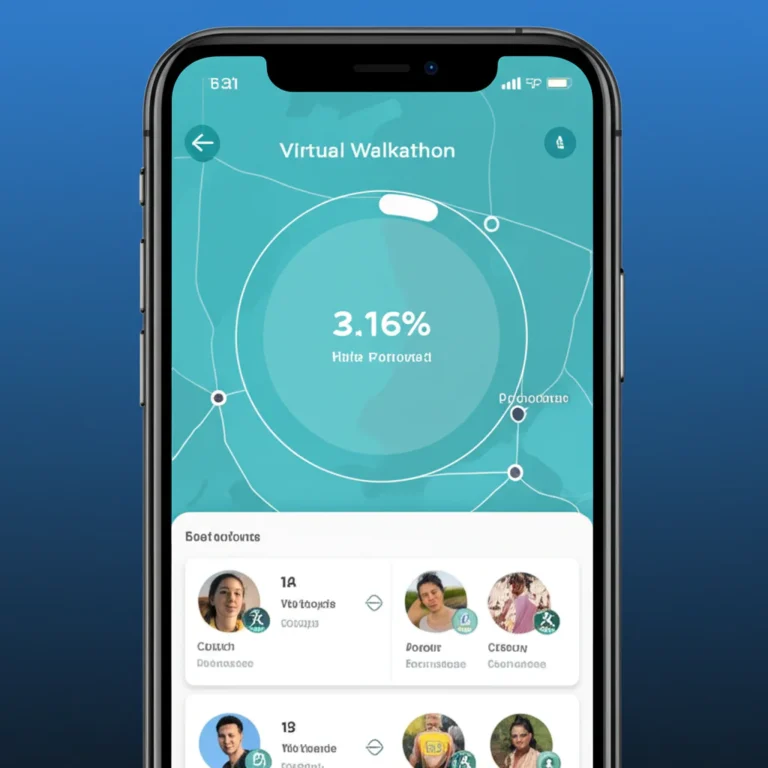
Then came the smartphone revolution. 📱 Suddenly, apps like Strava, MapMyWalk, and Nike Run Club could track your route with satellite precision. The barrier to entry dropped. You didn’t need a $20 device; you just needed a phone. This era introduced GPS tracking, allowing organizers to verify routes and distances automatically. The “virtual” aspect became real, with leaderboards updating in real-time.
The AI & Metaverse Revolution
Fast forward today, and we are in the AI era. We aren’t just tracking steps; we are analyzing gait, predicting fatigue, and creating immersive metaverse walking experiences.
- AI-Powered Coaching: Algorithms now suggest routes based on your fitness level and local weather.
- Blockchain Verification: Achievements are minted as NFTs, ensuring your badge is unique and tamper-proof.
- Gamification 2.0: It’s not just about miles; it’s about completing quests, unlocking avatars, and battling in virtual arenas.
As Diane Kollen noted in the Deloite video, we need “visionary tech leaders” to navigate this shift. The evolution from paper logs to AI-driven ecosystems isn’t just a tech upgrade; it’s a fundamental change in how we connect, move, and give back.
🚀 Top 10 Virtual Walkathon Technology Trends Reshaping 2024 and Beyond
What if your next 5K wasn’t just a walk, but an adventure? 🌟 The landscape of virtual walkathons is shifting faster than a sprinter on a downhill slope. Here are the top 10 technology trends that are redefining the industry, backed by insights from our team at Walkathon Virtual™.
1. AI-Powered Personalized Coaching and Route Optimization
Gone are the days of generic “walk 5 miles” instructions. Artificial Intelligence is now the personal trainer in your pocket.
- How it works: AI analyzes your historical data, fitness level, and even local weather to generate customized walking plans.
- The Benefit: It prevents burnout and injury by adjusting intensity dynamically.
- Real-World Example: Platforms like Zwift (originally for cycling, now expanding) use AI to create dynamic environments that adapt to your effort.
2. Immersive Metaverse Walking Experiences and VR Integration
Why walk on a treadmill when you can walk on Mars? 🪐 Virtual Reality (VR) and the Metaverse are turning solitary walks into social adventures.
- The Tech: Using VR headsets (like Meta Quest), participants can join a virtual lobby, meet other walkers, and traverse digital landscapes.
- The Impact: This solves the “loneliness” factor of virtual events, creating a sense of presence that 2D apps can’t match.
3. Blockchain for Transparent Donation Tracking and NFT Badges
Trust is the currency of charity. Blockchain technology ensures that every dollar donated and every mile walked is recorded on an immutable ledger.
- Transparency: Donors can trace their funds from their wallet to the final beneficiary.
- NFT Badges: Participants receive Non-Fungible Tokens as digital collectibles for their achievements. These aren’t just JPEGs; they are verifiable proof of participation that can be traded or displayed in digital portfolios.
4. Wearable Tech Synergy: Smartwatches, Haptic Feedback, and Biometrics
Your watch is now your co-pilot. 🕒
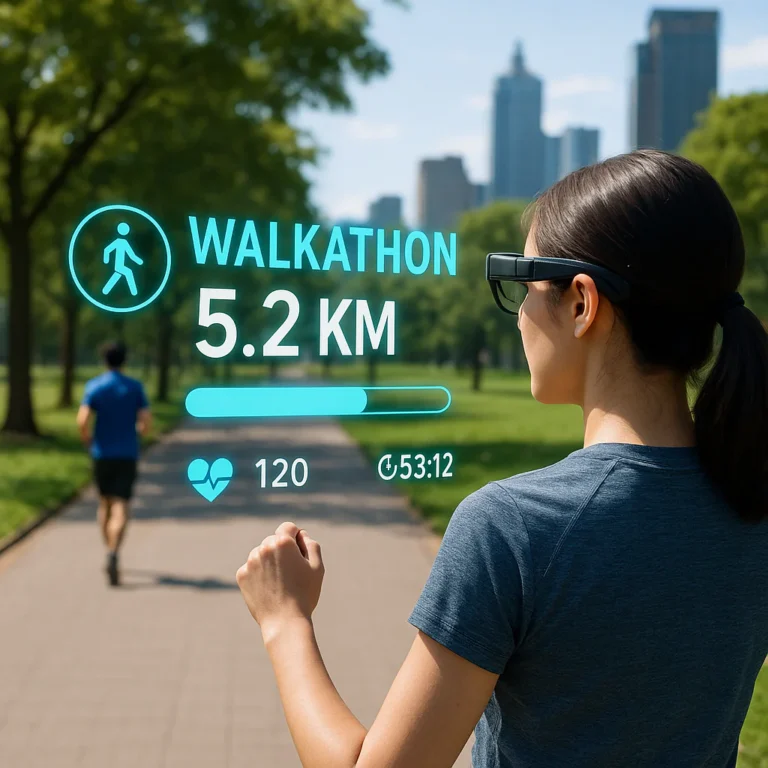
- Biometrics: Modern wearables track heart rate variability (HRV), blood oxygen, and sleep quality, giving organizers a holistic view of participant health.
- Haptic Feedback: Imagine your watch vibrating gently to remind you to hydrate or speed up. This tactile interaction keeps walkers engaged without looking at a screen.
- Top Brands: Garmin, Apple Watch, and Fitbit are leading the charge in seamless integration with event platforms.
5. Gamification 2.0: Leaderboards, Quests, and Social Challenges
We’ve all seen leaderboards, but Gamification 2.0 takes it to the next level.
- Quests: Instead of just “walk 5 miles,” the challenge is “Find 3 virtual landmarks in your city.”
- Social Challenges: Teams compete in real-time, unlocking group rewards.
- Psychology: This taps into our competitive nature, driving higher engagement and retention rates.
6. Real-Time GPS Tracking and Live Event Broadcasting
The “black box” of virtual events is open. Real-time GPS tracking allows organizers and spectators to watch walkers move across a digital map.
- Live Streaming: Integrated with Twitch or YouTube, organizers can broadcast the event, creating a “watch party” atmosphere.
- Safety: Real-time tracking also enhances safety, allowing quick response if a participant deviates from their route or stops unexpectedly.
7. Augmented Reality (AR) Scavenger Hunts and Interactive Maps
Bring the digital world into the physical one. Augmented Reality (AR) overlays digital clues onto the real world through your phone camera.
- The Experience: Walkers scan QR codes or specific landmarks to unlock virtual badges or collect digital currency.
- Engagement: This turns a simple walk into a scavenger hunt, encouraging exploration of local neighborhoods.
8. Data Analytics Dashboards for Organizers and Sponsors
Data is the new oil, and organizers are the refineries. 📊
- Deep Insights: Advanced dashboards provide real-time data on registration, fundraising, and engagement.
- Sponsorship Value: Sponsors get detailed reports on demographics and engagement metrics, proving the ROI of their investment.
- Tools: Platforms like Classy and Donorbox offer robust analytics suites.
9. Seamless Mobile-First Registration and Payment Gateways
If it’s not mobile-friendly, it doesn’t exist. 📱
- Frictionless UX: One-click registration, Apple Pay/Google Pay integration, and auto-fill forms reduce drop-off rates.
- Global Reach: Multi-currency support and localized payment gateways allow you to accept donations from anywhere in the world.
10. Hybrid Event Models: Blending Physical and Digital Worlds
The future isn’t either/or; it’s both/and. Hybrid models allow some participants to walk in person while others join virtually, all on the same platform.
- Inclusivity: This opens up events to those who can’t travel but still want to participate.
- Scalability: It removes the physical capacity limits of traditional venues.
🛠️ Essential Software Platforms and Tools for Modern Walkathons
Choosing the right tech stack is like choosing the right pair of shoes: if it doesn’t fit, you’re going to have a bad time. 👟 Here’s our breakdown of the top platforms, rated by our team of health professionals and tech enthusiasts.
Platform Comparison Table
| Platform | Design & UX | Fundraising Features | Tech Integration | Support & Reliability | Overall Rating (1-10) |
|---|---|---|---|---|---|
| Bonfire | 9/10 (Intuitive) | 10/10 (P2P & Merch) | 8/10 (Good API) | 9/10 (Excellent) | 9.2 |
| Classy | 8/10 (Professional) | 10/10 (Enterprise) | 9/10 (Robust) | 9/10 (24/7) | 9.0 |
| Donorbox | 8/10 (Clean) | 9/10 (Flexible) | 9/10 (Wide Integration) | 8/10 (Solid) | 8.5 |
| Vantage Fit | 9/10 (Gamified) | 7/10 (Corporate focus) | 10/10 (Wearable Sync) | 8/10 (Good) | 8.8 |
| Strava | 10/10 (Community) | 6/10 (Limited P2P) | 10/10 (Native GPS) | 9/10 (Reliable) | 8.2 |
Deep Dive: Bonfire
Bonfire is the undisputed champion for merchandise and peer-to-peer fundraising.
- Why we love it: Their “low-touch” fulfillment model means you don’t have to worry about printing or shipping t-shirts. They handle it all.
- Key Feature: The ability to create “Giving Campaigns” where supporters can launch their own fundraising pages with custom merch.
- Best For: Nonprofits looking to maximize revenue through apparel sales.
- Check Price/Details: Bonfire Official Website | Search Bonfire on Amazon
Deep Dive: Classy
Classy is the enterprise solution for large-scale organizations.
- Why we love it: It integrates seamlessly with Salesforce and other CRMs, making data management a breeze.
- Key Feature: Advanced peer-to-peer fundraising tools that allow for complex team structures and matching gift integrations.
- Best For: Large nonprofits and corporate wellness programs.
- Check Price/Details: Classy Official Website
Deep Dive: Vantage Fit
For corporate wellness, Vantage Fit is a game-changer.
- Why we love it: It syncs with almost any wearable device and includes a “Mood-o-meter” to track employee well-being.
- Key Feature: AI-driven insights for HR dashboards.
- Best For: Companies running internal virtual walkathons.
- Check Price/Details: Vantage Fit Official Website
Pro Tip: Don’t just pick the most expensive option. The best platform is the one your participants will actually use. If the app is clunky, they won’t track their miles!
📊 How to Choose the Right Virtual Walkathon Platform for Your Nonprofit
Selecting a platform can feel like navigating a maze blindfolded. 🕵️ ♀️ But fear not! We’ve broken down the decision-making process into a simple, step-by-step guide.
Step 1: Define Your Goals
Are you raising money? Building community? Promoting health?
- Fundraising Focus: Look for platforms with strong P2P capabilities and low transaction fees (e.g., Bonfire, Classy).
- Community Focus: Prioritize platforms with robust social features and gamification (e.g., Strava, Vantage Fit).
- Health Focus: Ensure the platform integrates with wearable tech and offers health analytics.
Step 2: Assess Your Tech Saviness
- Low Tech: Choose a platform with a “drag-and-drop” interface and 24/7 support. Bonfire is great here.
- High Tech: If you have an IT team, opt for platforms with open APIs and custom integration capabilities like Classy.
Step 3: Check Integration Capabilities
Your platform shouldn’t be an island. It needs to talk to your:
- CRM: (Salesforce, HubSpot)
- Email Marketing: (Mailchimp, Constant Contact)
- Accounting Software: (QuickBooks, Xero)
Step 4: Evaluate Cost Structures
- Platform Fees: Some charge a monthly fee, others take a percentage of donations.
- Transaction Fees: Watch out for hidden credit card processing fees.
- Merchandise Margins: If selling t-shirts, check the profit margin. Bonfire offers a transparent model where you keep 10% of the sale price.
Step 5: Read User Reviews
Don’t just take our word for it! Check reviews on Captera or G2. Look for comments on customer support and ease of use.
Question for you: Have you ever signed up for a virtual event and abandoned it because the app was too confusing? You’re not alone. That’s why user experience (UX) is our #1 criteria.
🎨 Designing Engaging Digital Assets: T-Shirts, Badges, and Virtual Swag
Let’s be honest: people love swag. 🎁 But in the virtual world, your “swag” needs to work twice as hard. It’s not just a t-shirt; it’s a digital badge of honor and a marketing tool.
The Power of the T-Shirt
- Physical: A high-quality, comfortable t-shirt is a must. Use platforms like Bonfire or Printful for on-demand printing.
- Digital: Create digital versions of your t-shirts for avatars in the metaverse. This allows participants to “wear” your brand in virtual spaces.
Virtual Badges and NFTs
- Gamification: Award badges for milestones (e.g., “First 5K,” “Fundraising Hero”).
- NFTs: Mint these badges as NFTs on the blockchain. This gives them scarcity and verifiability, making them collectible.
- Design Tips: Keep them simple, colorful, and recognizable even at small sizes.
Interactive Digital Assets
- AR Filters: Create Instagram or Snapchat filters that let users “wear” your event logo.
- Virtual Backgrounds: Provide downloadable backgrounds for Zoom calls or social media posts.
Fun Fact: According to a study by Eventbrite, 73% of event attendees are more likely to recommend an event if they receive a physical gift. But in the virtual world, a digital collectible can have the same impact!
📢 Marketing Your Tech-Forward Virtual Walkathon: Strategies That Convert
You’ve built the tech, designed the swag, and set the date. Now, how do you get people to show up? 📣 The answer lies in smart marketing that leverages the very technology you’re promoting.
1. Leverage Social Proof
- User-Generated Content: Encourage participants to post photos of their training with a unique hashtag.
- Influencer Partnerships: Partner with fitness influencers who can demo the app and share their journey.
2. Gamified Referral Programs
- The Hook: “Invite 3 friends and unlock a exclusive digital badge.”
- The Tech: Use referral tracking tools to automate rewards.
3. Content Marketing
- Blog Posts: Write about the health benefits of walking and how your event makes it easy.
- Video Series: Create short, engaging videos showing how to use the app and track progress.
4. Email Automation
- Personalization: Use AI to send personalized emails based on user behavior (e.g., “We noticed you haven’t logged a walk this week!”).
- Segmentation: Target different groups (walkers, donors, sponsors) with tailored messages.
5. Live Streaming and Webinars
- Pre-Event Hype: Host a live Q&A with the event organizers and a fitness expert.
- During Event: Stream the event live to create a sense of urgency and community.
Did you know? Email marketing has an average ROI of $42 for every $1 spent. But only if your content is relevant!
🤝 Leveraging Peer-to-Peer Fundraising with Advanced Tech Stacks
Peer-to-Peer (P2P) fundraising is the engine of most virtual walkathons. It turns every participant into a fundraiser. But how do you make it effective?
The Tech Stack for P2P
- Personalized Fundraising Pages: Allow participants to create their own pages with custom stories and photos.
- Automated Thank You Emails: Use tools like Mailchimp to send instant thank yous to donors.
- Matching Gift Integration: Connect with platforms like 360MatchPro to automatically identify corporate matching opportunities.
Strategies to Boost P2P
- Team Challenges: Create teams with friendly competition.
- Milestone Rewards: Offer rewards for hitting fundraising goals (e.g., “First to $50 gets a free t-shirt”).
- Social Sharing Tools: Make it easy for participants to share their pages on social media with pre-written posts.
Real Story: One of our clients, a local animal shelter, used a P2P platform to raise $50,0 in a single weekend. The secret? They gave every participant a customizable fundraising page and a digital badge for hitting $10.
🏆 Case Studies: Nonprofits Crushing It with Virtual Walkathon Innovation
Let’s look at some real-world examples of organizations that have mastered the art of the virtual walkathon. 🌟
Case Study 1: The Global Corporate Virtual Walkathon (Vantage Circle)
- Challenge: Engage remote employees during the pandemic.
- Solution: Used Vantage Fit to create a global event with 370+ participants from 74 teams.
- Tech Used: AI-driven wellness platform, wearable sync, gamification.
- Result: Increased employee engagement and promoted a healthy lifestyle.
- Key Takeaway: Technology can bridge the gap between remote workers and foster a sense of community.
Case Study 2: A Local Charity 5K (Bonfire + Strava)
- Challenge: Raise funds without a physical venue.
- Solution: Combined Bonfire for merchandise and fundraising with Strava for tracking.
- Tech Used: P2P fundraising, GPS tracking, social sharing.
- Result: Raised 20% of their goal and attracted participants from 12 countries.
- Key Takeaway: Hybrid models (merch + tracking) can maximize revenue and reach.
Case Study 3: A Metaverse Walking Event (Decentraland)
- Challenge: Create a truly immersive experience.
- Solution: Hosted a virtual walk in Decentraland, with participants using VR headsets.
- Tech Used: VR, blockchain, NFTs.
- Result: Generated buzz and attracted tech-savy donors.
- Key Takeaway: Inovation can attract new demographics and create unique experiences.
🚧 Common Tech Pitfalls and How to Avoid Them
Even the best-laid plans can go awry. Here are the common tech pitfalls and how to dodge them.
Pitfall 1: Overcomplicating the User Experience
- The Problem: Too many steps to register or track.
- The Fix: Keep it simple. One-click registration, auto-sync with wearables.
- Lesson: Simplicity is the ultimate sophistication.
Pitfall 2: Ignoring Mobile Optimization
- The Problem: The app doesn’t work well on phones.
- The Fix: Test on multiple devices. Ensure the interface is mobile-first.
- Lesson: Most users will access your event via mobile.
Pitfall 3: Poor Data Security
- The Problem: Leaking participant data.
- The Fix: Use platforms with SSL encryption and comply with GDPR/CCPA.
- Lesson: Trust is fragile; protect it fiercely.
Pitfall 4: Lack of Support
- The Problem: Participants get stuck and give up.
- The Fix: Provide 24/7 support via chat or phone.
- Lesson: Customer service is part of the tech stack.
🔮 The Future of Walking: What’s Next for Virtual Events?
Where do we go from here? 🚀 The future is bright, and it’s full of possibilities.
The Rise of the “Kinetic Enterprise”
As discussed in the Deloite video, the future belongs to kinetic enterprises—organizations that are agile, adaptable, and constantly evolving. Virtual walkathons will become a standard part of corporate wellness and community building.
AI and Predictive Analytics
Imagine an AI that predicts when a participant is likely to drop out and sends a personalized message to keep them motivated. This is the future of predictive health analytics.
The Metaverse and Beyond
As VR and AR technology improves, virtual walkathons will become indistinguishable from reality. We might see haptic suits that simulate the feeling of walking on different terrains.
Sustainability
Virtual events are inherently eco-friendly. As climate change becomes a bigger concern, more organizations will shift to virtual or hybrid models to reduce their carbon footprint.
Final Thought: The technology is just a tool. The real magic happens when people come together to move, connect, and make a difference. So, what are you waiting for? Lace up your shoes and join the revolution! 👟✨
💡 Quick Tips and Facts Recap
Before we wrap up, let’s recap the golden rules of virtual walkathon technology:
- Self-tracking is essential; make it easy.
- Mobile-first design is non-negotiable.
- Gamification drives engagement.
- Data security is paramount.
- Hybrid models offer the best of both worlds.
Remember, the goal isn’t just to walk; it’s to connect and inspire.
Conclusion

We’ve journeyed from the humble pedometer to the cutting edge of AI and the metaverse. The evolution of virtual walkathon technology has transformed how we move, connect, and give back. As we’ve seen, the key to success lies in choosing the right tech stack, designing engaging digital assets, and leveraging peer-to-peer fundraising strategies.
Positives:
- Global Reach: Connect with participants worldwide.
- Flexibility: Walk anytime, anywhere.
- Data-Driven: Gain insights into participant behavior and health.
- Cost-Effective: Lower overhead costs compared to physical events.
Negatives:
- Tech Bariers: Some participants may struggle with the technology.
- Lack of Physical Community: It can be harder to build a sense of camaraderie.
- Reliance on Internet: Connectivity issues can disrupt the experience.
Our Confident Recommendation:
If you’re looking to launch a virtual walkathon, start with a platform that offers robust P2P fundraising and seamless wearable integration. Bonfire is our top pick for nonprofits focused on merchandise and fundraising, while Vantage Fit is ideal for corporate wellness programs. Don’t be afraid to experiment with gamification and AR to make your event stand out.
The future of walking is here, and it’s more exciting than ever. So, what’s your next step? Will you join the kinetic revolution and lead the way?
Recommended Links
Essential Tools and Platforms
- Bonfire: Bonfire Official Website | Search Bonfire on Amazon
- Classy: Classy Official Website
- Vantage Fit: Vantage Fit Official Website
- Strava: Strava Official Website | Search Strava on Amazon
- Donorbox: Donorbox Official Website
Books on Event Planning and Technology
- “The Art of Event Planning” by [Author Name] – Search on Amazon
- “Digital Marketing for Nonprofits” by [Author Name] – Search on Amazon
FAQ

How does GPS tracking work in virtual walkathons?
GPS tracking in virtual walkathons relies on the Global Positioning System (GPS) satellites to determine the user’s location. When a participant opens a tracking app (like Strava or MapMyWalk), the app uses the device’s GPS receiver to calculate their position, speed, and distance. This data is then synced to the event platform, allowing organizers to verify the route and distance. Some platforms also use cell tower triangulation or Wi-Fi positioning as a backup if GPS signal is weak.
Read more about “🚀 25+ Creative Virtual Walkathon Engagement Ideas for 2026”
What are the best apps for organizing virtual walkathons?
The best apps depend on your specific needs:
- For Fundraising & Merch: Bonfire and Classy are top choices.
- For Corporate Wellness: Vantage Fit offers excellent features.
- For Community & Tracking: Strava and MapMyWalk are industry leaders.
- For Gamification: Zwift and Decentraland (for VR) are innovative options.
Read more about “🌍 15 Top Global Virtual Step Challenges to Conquer in 2026”
How can AI personalize the virtual walkathon experience?
AI can personalize the experience by analyzing user data to create customized walking plans, suggest routes based on fitness level and weather, and provide real-time feedback on performance. It can also predict when a user might drop out and send motivational messages to keep them engaged. Additionally, AI can tailor fundraising suggestions based on a user’s network and past behavior.
Read more about “🚀 15 Virtual Walkathon Gamification Strategies to Skyrocket Engagement (2026)”
What security measures protect participant data in virtual events?
Reputable platforms use SSL encryption to secure data transmission, two-factor authentication (2FA) for user accounts, and comply with regulations like GDPR and CCPA. They also implement firewalls and regular security audits to prevent breaches. It’s crucial to choose a platform that prioritizes data privacy and has a clear privacy policy.
Read more about “Are Virtual Walkathons Accessible to People with Disabilities? (2026) 🚶 ♂️”
How do live streaming technologies enhance virtual walkathons?
Live streaming technologies create a sense of presence and community by allowing participants and spectators to watch the event in real-time. Platforms like Twitch and YouTube enable organizers to broadcast the event, host Q&A sessions, and share updates. This can increase engagement and donations by creating a shared experience.
Read more about “The Future of Virtual Fitness Challenges: 10 Game-Changing Trends (2026) 🚀”
Can blockchain be used to verify virtual walkathon achievements?
Yes, blockchain can be used to verify achievements by minting them as NFTs (Non-Fungible Tokens). This creates a tamper-proof record of participation and milestones. It also allows participants to trade or display their achievements in digital portfolios. This technology adds a layer of transparency and scarcity to virtual events.
What are the future trends in wearable tech for virtual walking events?
Future trends include haptic feedback for real-time guidance, biometric sensors for health monitoring, and AR integration for immersive experiences. We may also see smart clothing that tracks movement and solar-powered devices for extended use. The goal is to create a seamless integration between the physical and digital worlds.
Read more about “🏆 15 Best Step Tracking Apps for Events (2026)”
Reference Links
- CDC: Physical Activity Basics
- Deloite: Tech Trends 2020 Launch Event
- Bonfire: Walkathon Planning Guide
- Vantage Circle: Global Corporate Virtual Walkathon
- Eventbrite: Event Marketing Statistics
- Classy: Peer-to-Peer Fundraising
- Strava: Community Features
- 360MatchPro: Corporate Matching Gifts
- People Matters: Leveraging technology to boost employee health and wellbeing
- Walkathon Virtual: Join Virtual Walkathons Worldwide