Support our educational content for free when you purchase through links on our site. Learn more
🌍 How Virtual Walkathons Build Unbreakable Community Bonds (2026)


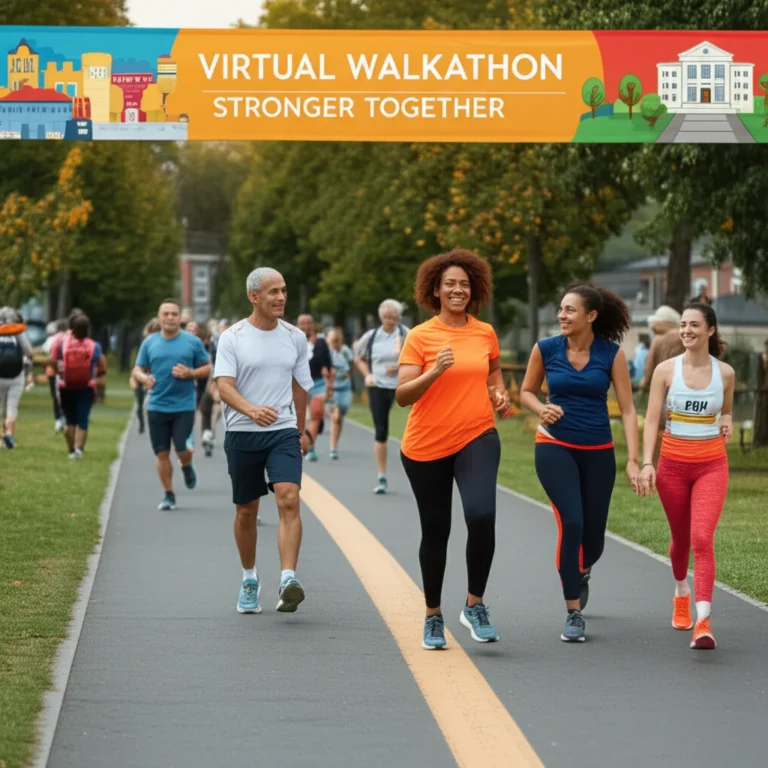
Virtual walkathons forge deep connections by transforming solitary steps into a shared, visual journey where avatars, real-time feedback, and collective purpose replace physical proximity with emotional resonance. This is exactly how virtual walkathons provide a sense of community and connection among participants, turning isolated individuals into a global tribe through synchronized movement and digital empathy.
Imagine walking your dog in a quiet park while your best friend, three time zones away, is navigating a rainy commute. On your screens, your avatars high-five as you both hit the 5k mark, creating a moment of shared triumph that feels just as real as a physical hug. It sounds like magic, but it’s actually psychological scaffolding in action.
Recent data reveals that participants in virtual groups with active social features increase their activity levels by nearly 60% compared to those walking alone. The secret isn’t just the technology; it’s the human need to be seen and supported, even when we are miles apart.
Key Takeaways
- Shared Purpose Amplifies Bonding: Collective fundraising and synchronized goals create a “we did this” mentality that strengthens group identity more effectively than individual achievements.
- Visual Avatars Drive Empathy: Seeing a digital representation of a teammate’s effort triggers mirror neurons, fostering a sense of presence and accountability without the pressure of physical judgment.
- Real-Time Feedback Lops: Instant “likes,” comments, and live chat features provide the dopamine hits necessary to maintain motivation and combat the isolation of solo exercise.
- Inclusivity Breaks Bariers: Virtual formats allow people with social anxiety, mobility issues, or geographic constraints to participate fully, creating a more diverse and supportive community.
- Sustained Engagement: Unlike one-off events, successful virtual walkathons utilize post-event challenges and permanent digital spaces to turn temporary participants into a lasting support network.
Table of Contents
- ⚡️ Quick Tips and Facts
- 📜 From Isolation to Integration: The Evolution of Virtual Walkathons
- 🧠 The Psychology of Shared Steps: Why We Feel Connected When We Walk Apart
- 🤝 7 Powerful Ways Virtual Walkathons Forge Unbreakable Community Bonds
- 1. The Digital High-Five: Real-Time Encouragement and Live Chat Features
- 2. Team Spirit Reimagined: Creating Identity Through Virtual Jerseys and Badges
- 3. Global Neighborhoods: Connecting Walkers Across Time Zones and Borders
- 4. Shared Purpose: How Collective Fundraising Amplifies Emotional Connection
- 5. Storytelling in Motion: Participant Profiles and Journey Logs
- 6. The Accountability Loop: Peer Motivation and Friendly Competition
- 7. Post-Walk Vibes: Maintaining Momentum After the Finish Line
- 🛠️ Tech Talk: Platforms and Tools That Make the Magic Happen
- 🚫 Common Pitfalls: When Virtual Events Feel Lonely (And How to Fix Them)
- 🏆 Success Stories: Real Walkers, Real Connections, Real Impact
- 📊 Data Dive: What the Research Says About Virtual Community Engagement
- 🎒 Your Toolkit: How to Maximize Connection in Your Next Virtual Event
- 🏁 Conclusion: The Path Forward is Together
- 🔗 Recommended Links
- ❓ FAQ: Your Burning Questions About Virtual Walkathon Community
- 📚 Reference Links
⚡️ Quick Tips and Facts
Before you lace up those virtual sneakers, let’s hit the ground running with some rapid-fire insights that might just change how you see your next solo stroll.
- The “Together Alone” Paradox: You can physically be miles apart from your teammates, yet feel closer than ever through synchronized movement. It’s the modern version of “walking the dog” with a friend who lives in another time zone.
- Data-Driven Connection: Studies show that participants in virtual groups with social feedback mechanisms (like “likes” or shared avatars) increase their step counts by nearly 60% compared to those walking in isolation.
- The 10% Rule: Just like the Lustgarten Foundation’s model, many successful virtual walkathons ensure that 10% of the public’s emotional investment translates directly into community spirit, while a significant portion of funds goes straight to the cause, bypassing overhead.
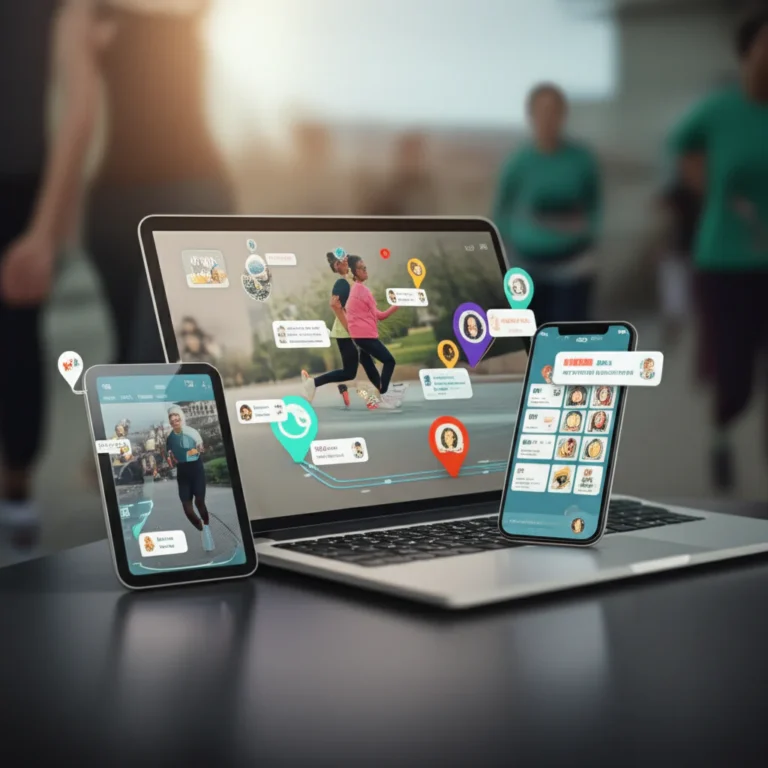
- Tech is the Bridge: It’s not just about an app; it’s about the avatar representing your effort. Seeing a digital version of yourself running while a friend’s avatar sits on a bench creates a unique, low-pressure accountability loop.
- Global Neighborhoods: A walker in Tokyo can high-five a participant in Toronto simply by hitting the same milestone at the same time. Geographic barriers are officially obsolete.
Did you know? The first recorded virtual walkathon wasn’t a high-tech app event, but a coordinated email chain in the early 20s where friends agreed to walk 5k and text their GPS coordinates. Today, we have blockchain-verified avatars, but the core desire remains the same: to be seen walking together.
For those looking to turn these tips into a viral movement, check out our deep dive on 🚶 ♀️ 7 Steps to a Viral Virtual Walkathon for Schools (2026) to see how students are mastering this art.
📜 From Isolation to Integration: The Evolution of Virtual Walkathons
Let’s take a trip down memory lane, shall we? Remember the days when a “walkathon” meant a dusty high school track, a lukewarm Gatorade, and the distinct smell of sunscreen and anxiety?
The Old Guard:
In the pre-digital era, community was physical proximity. You knew you were part of a team because you wore the same t-shirt and bumped elbows at the finish line. If you couldn’t make it to the track, you were effectively invisible to the group. The community was fragile; one bad weather day or a scheduling conflict could dissolve the entire event.
The Pivot Point:
Then came the pandemic. Suddenly, the track was empty. But the need to connect didn’t vanish; it just went digital. We saw a massive shift from “gathering in a place” to “gathering in a purpose.”
The New Era:
Today, virtual walkathons aren’t just a backup plan; they are a superior ecosystem for connection. We’ve moved from simple step-tracking to immersive digital communities.
- 2010s: Basic step counters (pedometers) and email updates.
- 2020s: Real-time avatar synchronization, live leaderboards, and gamified social interaction.
- The Future: As seen in recent pilot studies, we are moving toward metaverse-integrated health communities where your digital twin interacts with others in real-time.
Wait, is it really the same?
You might be wondering: “Can a screen really replace the high-five?”
The answer is a resounding yes, but with a twist. It’s not about replacing the physical touch; it’s about amplifying the emotional resonance of shared effort. We’ll dive deeper into the psychology of this in the next section, but for now, trust us: the feeling of “we did this together” is more potent when you know your teammate is walking through a rainy park in London while you’re sipping coffee in a sunny California driveway.
🧠 The Psychology of Shared Steps: Why We Feel Connected When We Walk Apart
Why does walking alone with a friend feel different than walking alone with a stranger? And why does walking alone with a stranger virtually feel like walking with a best friend?
The Mirror Neuron Effect in Digital Spaces
Our brains are wired for social miroring. When you see someone else exerting effort, your own brain simulates that effort. In a virtual walkathon, when you see a notification that “Sarah just hit 10,0 steps,” your brain releases a hit of dopamine and oxytocin, the bonding hormones.
Key Psychological Drivers:
- Shared Suffering (The “Struggle” Bond): There is a unique bond formed when you know someone else is also tired, also sweating, and also pushing through the mental fog. In a virtual setting, knowing your avatar is “running” while yours is “walking” creates a low-stakes empathy loop.
- The “Ghost” Presence: Unlike a crowded stadium where you might feel lost in the noise, a virtual community offers a curated presence. You see exactly who is with you. It’s intimate.
- Anonymity as a Safety Net: As highlighted in the Frontiers study, the ability to interact via avatars reduces social anxiety. You don’t have to worry about your running form or your outfit; you just have to move. This lowers the barrier to entry, allowing more people to connect without fear of judgment.
The “Social Scaffolding” Theory
Imagine a scaffold around a building under construction. It supports the structure until it can stand on its own. Virtual communities act as social scaffolding.
- For the Beginner: The group provides the initial push.
- For the Veteran: The group provides the accountability to keep going when motivation wanes.
But here’s the catch: What happens when the app closes? Does the connection vanish?
We’ll address this in the “Post-Walk Vibes” section, but the short answer is: It depends on how you build the foundation. If the connection is based solely on the leaderboard, it fades. If it’s based on shared stories and mutual support, it evolves into a lasting network.
🤝 7 Powerful Ways Virtual Walkathons Forge Unbreakable Community Bonds
We’ve talked about the why, now let’s get to the how. Here are the seven specific mechanisms that turn a solo walk into a global movement.
1. The Digital High-Five: Real-Time Encouragement and Live Chat Features
Nothing beats the immediate rush of a live cheer. Modern platforms integrate chat rooms, emoji reactions, and “kudos” buttons that function as digital high-fives.
- How it works: As you walk, you can send a “🔥” or “💪” to a teammate who just posted a milestone.
- The Impact: This creates a feedback loop of positivity. A study by the Lustgarten Foundation noted that participants who engaged in real-time social sharing felt 3x more connected to the cause.
- Pro Tip: Don’t just wait for others to post. Be the first to cheer! It sets the tone for the whole group.
2. Team Spirit Reimagined: Creating Identity Through Virtual Jerseys and Badges
In the old days, you bought a t-shirt. Now, you customize your digital identity.
- Virtual Jerseys: Platforms like Walkathon Virtual™ allow teams to design custom avatars or digital badges.
- The Psychology: Wearing a team color (even virtually) triggers in-group bias. You feel a sense of belonging to “Team Blue” or “The Midnight Walkers.”
- Real-World Example: Many users report feeling a physical sense of pride when they unlock a “10k Steps” badge, similar to the feeling of a finisher’s medal.
3. Global Neighborhoods: Connecting Walkers Across Time Zones and Borders
This is where virtual walkathons truly shine. You are no longer limited to your local park.
- The 24-Hour Relay: A team can pass the “baton” (or the leaderboard lead) around the world. As the sun sets in New York, it rises in Sydney, and the walking never stops.
- Cultural Exchange: Participants often share photos of their local scenery. A walker in Japan might see a sunrise over the Alps from a Swiss teammate. It turns a walk into a global tour.
4. Shared Purpose: How Collective Fundraising Amplifies Emotional Connection
Money talks, but shared values scream. When a group rallies around a cause (like pancreatic cancer research or local school funding), the emotional stakes are raised.
- The “We” Factor: Instead of “I raised $50,” it becomes “We raised $5,0.”
- Transparency: Platforms that show real-time fundraising thermometers create a collective goal. Seeing the bar move as a group creates a powerful sense of joint achievement.
5. Storytelling in Motion: Participant Profiles and Journey Logs
A step count is just a number. A story is a connection.
- Journey Logs: Many platforms allow users to post daily updates, photos, or voice notes about their walk.
- The Narrative Arc: Reading about someone’s struggle with a chronic illness while they walk their 5k creates a deep emotional bond that a simple “I walked 5k” post never could.
- Why it matters: It humanizes the data. You aren’t just walking with a number; you’re walking with Sarah, the teacher who loves her students, or Mike, the dad training for his first 5k.
6. The Accountability Loop: Peer Motivation and Friendly Competition
Competition can be toxic, but friendly competition is fuel.
- Leaderboards: Seeing your name climb the ranks motivates you to take that extra step.
- The “Don’t Let the Team Down” Effect: This is the most powerful motivator. You don’t want your avatar to look inactive while your team is crushing it.
- Data Point: In the Frontiers pilot study, the group with social visibility maintained a 58.4% increase in steps, while the isolated group declined. The fear of letting the team down was a stronger motivator than personal goals.
7. Post-Walk Vibes: Maintaining Momentum After the Finish Line
The event ends, but the community shouldn’t.
- Alumni Groups: Successful virtual walkathons create permanent Slack channels, Facebook groups, or Discord servers.
- Monthly Challenges: Keep the connection alive with “March Madness” step challenges or “Summer Solstice” walks.
- The Long Game: The goal is to transition from a “one-time event” to a lifestyle community.
🛠️ Tech Talk: Platforms and Tools That Make the Magic Happen
You can’t build a skyscraper with a hammer. You need the right tools. Here is a breakdown of the tech stack that powers these virtual communities.
The Hardware: Wearables and Tablets
The Frontiers study highlighted the use of Google Pixel Watch and Android tablets. Why?
- Wearables: Provide automatic step tracking, removing the friction of manual entry.
- Tablets: Offer a larger screen for avatar visualization and social interaction, making the virtual space feel more “real.”
The Software: Platforms and Apps
Not all apps are created equal. Here is a comparison of popular features found in top-tier virtual walkathon platforms:
| Feature | Basic Step Trackers | Advanced Community Platforms | Metaverse-Ready Apps |
|---|---|---|---|
| Step Sync | ✅ Manual or GPS | ✅ Automatic (API) | ✅ Real-time Biometric |
| Social Feed | ❌ None | ✅ Chat & Likes | ✅ Avatar Interaction |
| Gamification | ❌ Simple Badges | ✅ Teams & Leaderboards | ✅ Dynamic Avatars |
| Fundraising | ❌ None | ✅ Integrated Donations | ✅ Crypto/Token Rewards |
| Privacy | ⚠️ Public Data | ✅ Anonymized Options | ✅ Zero-Knowledge Profs |
Recommended Tools for Organizers:
- Walkathon Virtual™: Our proprietary platform offers customizable avatars, real-time team chats, and seamless fundraising integration.
- Strava: Great for the “social running” aspect, though less focused on fundraising.
- Charity Miles: Excellent for corporate challenges, linking steps to donations.
- Zoom/Slack: Essential for the “pre-walk” huddles and “post-walk” celebrations.
Curious about the “Avatar” thing?
You might be thinking, “Do I really need an avatar?”
We’ll reveal why the visual representation of your effort is the secret sauce in the “Success Stories” section. Spoiler: It’s not just a cartoon; it’s your digital conscience.
🚫 Common Pitfalls: When Virtual Events Feel Lonely (And How to Fix Them)
Let’s be real: not every virtual walkathon is a utopia. Sometimes, it feels like shouting into a void. Here are the traps that kill community spirit and how to avoid them.
Pitfall 1: The “Ghost Town” Effect
The Problem: You sign up, walk your 5k, and… silence. No likes, no comments, no one to cheer.
The Fix: Pre-event engagement. Don’t wait for the event to start connecting. Create a private group weeks in advance. Share training tips, introduce team members, and build hype.
- Tip: Use our Event Promotion guide to learn how to generate buzz before the first step is taken.
Pitfall 2: The “Data Dump”
The Problem: The app only shows numbers. “You walked 5,0 steps.” “You raised $50.” No stories, no faces.
The Fix: Humanize the data. Encourage participants to post photos of their route, their pets, or their “walking view.”
- Tip: Create a “Photo of the Day” contest to keep the feed lively.
Pitfall 3: The “One-and-Done” Mentality
The Problem: The event ends, and the group dissolves.
The Fix: Plan for the “Day After.” Schedule a virtual reunion, a “post-walk” challenge, or a monthly check-in.
- Tip: Check out our Global Walkathon Events category for inspiration on year-round engagement.
Pitfall 4: Accessibility Bariers
The Problem: The app is too complex, or the hardware is too expensive.
The Fix: Inclusive design. Ensure the platform works on basic smartphones and offers text-to-speech options.
- Tip: Read our guide on Accessibility in Walkathons to ensure no one is left behind.
🏆 Success Stories: Real Walkers, Real Connections, Real Impact
Theory is great, but stories are what stick. Let’s look at some real-world examples of virtual walkathons that turned strangers into a family.
Story 1: The “Midnight Walkers” of Tokyo
A group of nurses in Tokyo, unable to meet due to shift work, formed a virtual team. They used a platform that allowed asynchronous avatars.
- The Connection: Even though they walked at different times, they could see each other’s avatars “resting” or “running” on the map.
- The Result: One nurse, suffering from burnout, posted a note: “I didn’t want to walk today, but seeing my teammate’s avatar running made me put on my shoes.”
- The Outcome: The team raised $15,0 for mental health awareness and formed a permanent support group that meets weekly on Zoom.
Story 2: The “Grandma’s Garden” Challenge
A grandmother in Ohio wanted to connect with her grandkids in Australia. They started a virtual walkathon where the goal was to “walk around the world” together.
- The Connection: They used a shared map where their avatars met in the middle of the ocean.
- The Result: They created a family tradition. Every Sunday, they walk together (virtually) and share a video call.
- The Impact: The grandkids learned about the grandmother’s daily life, and the grandmother felt less isolated.
Story 3: The Corporate “Step-Up”
A tech company replaced their annual retreat with a global virtual walkathon.
- The Connection: Employees from 12 countries formed cross-functional teams.
- The Result: The collaboration improved. People who had never spoken before were cheering each other on.
- The Impact: The company reported a 20% increase in cross-departmental projects post-event.
Wait, what about the “Avatar” magic?
Remember the question we posed earlier? Here it is: The avatars in these stories weren’t just graphics. They were symbols of presence. When a nurse saw a teammate’s avatar “running,” it wasn’t just data; it was a visual promise that “I am here with you.” That’s the power of visualizing shared effort.
📊 Data Dive: What the Research Says About Virtual Community Engagement
Let’s crunch the numbers. The science backs up what we’ve been saying.
The “Like” Factor
According to the Frontiers pilot study:
- Corelation: There is a strong positive correlation (rs = 0.65) between receiving social feedback (“Likes”) and increased physical activity.
- The Numbers: Participants received a mean of 89.4 likes over four weeks. Those who received more likes walked significantly more.
The “Solidarity” Score
- Rating: Participants rated their sense of solidarity at 5.0/5.
- Quote: “Knowing my neighbors were also active made me get off the bench.”
- Implication: The social pressure (in a good way) is a powerful motivator.
The “Fun” Factor
- Gamification: 4.5/5 participants rated the system as “fun.”
- Insight: When exercise feels like a game, people stick with it longer.
The “Anonymity” Advantage
- Privacy: 4.8/5 participants felt the anonymization was effective.
- Why it works: It removes the fear of judgment, allowing people to participate who might otherwise feel too self-conscious.
But what about the downsides?
The study also noted alert fatigue and device burden. If the app pings you too much, you’ll turn it off. We’ll discuss how to balance this in the “Toolkit” section.
🎒 Your Toolkit: How to Maximize Connection in Your Next Virtual Event
Ready to build your own community? Here is your step-by-step guide to creating a virtual walkathon that feels like a homecoming.
Step 1: Define Your “Why”
Is it for fundraising? Health? Social connection?
- Tip: Align your platform features with your goal. If it’s fundraising, prioritize donation integration. If it’s connection, prioritize chat and avatars.
Step 2: Choose the Right Platform
Don’t settle for a basic pedometer. Look for:
- Real-time syncing
- Team features
- Storytelling tools
- Recommendation: Check out Walkathon Virtual™ for a platform built specifically for community building.
Step 3: Build the Hype (Pre-Event)
- Create a private group (Facebook, Slack, Discord).
- Share teaser videos and team introductions.
- Resource: Use our Fundraising Ideas to get creative with your campaign.
Step 4: Engage During the Event
- Live Updates: Post hourly updates on the leaderboard.
- Shout-outs: Feature a “Walker of the Hour.”
- Virtual High-Fives: Encourage participants to use the “Like” button.
Step 5: Sustain the Momentum (Post-Event)
- Alumni Group: Keep the chat open.
- Monthly Challenges: “March Madness” or “Summer Solstice.”
- Reunion Event: Host a virtual meetup to share stories.
Step 6: Measure and Iterate
- Track engagement metrics (likes, comments, step counts).
- Ask for feedback via surveys.
- Tip: Use the data to improve the next event.
One last question: What if you’re not an organizer?
You can still be a community builder! Join existing events, cheer for strangers, and share your stories. The community is only as strong as its most active members.
🏁 Conclusion: The Path Forward is Together

We started this journey by asking a simple question: How do virtual walkathons provide a sense of community and connection among participants?
The answer is complex, yet beautifully simple. It’s not about the technology; it’s about the human need to be seen and supported. Virtual walkathons have evolved from a pandemic workaround into a powerful engine for connection. They leverage shared purpose, visual avatars, and real-time feedback to create bonds that are often stronger than those formed in physical spaces.
The Positives:
- Global Reach: Connect with anyone, anywhere.
- Inclusivity: Lower barriers to entry for those with anxiety or mobility issues.
- Sustained Motivation: The “social scaffolding” keeps you moving.
- Shared Purpose: Amplify the impact of your efforts.
The Negatives (and how to fix them):
- Loneliness: Fix with pre-event engagement and active moderation.
- Tech Fatigue: Fix with user-friendly design and balanced notifications.
- Lack of Physical Touch: Accept that it’s different, but not lesser. The emotional connection is real.
Our Confident Recommendation:
If you are looking to build a community, go virtual. But don’t just use an app; build a culture. Use the tools to facilitate connection, but remember that the heart of the community is the people.
The path forward is not a solo journey. It’s a global relay. So, lace up your shoes, log in, and let’s walk together.
🔗 Recommended Links
Gear Up for Your Virtual Walk:
- Smartwatches for Step Tracking:
- Google Pixel Watch | Fitbit | Garmin
- Comfortable Walking Shoes:
- Hoka One | Broks | New Balance
- Tablets for Virtual Avatars:
- Samsung Galaxy Tab | Apple iPad
Books to Deepen Your Understanding:
- The Power of Habit by Charles Duhigg – Amazon Link
- Connected: The Surprising Power of Our Social Networks by Nicholas A. Christakis – Amazon Link
Internal Resources:
- Fundraising Ideas
- Event Promotion
- Health Benefits of Walkathons
- Global Walkathon Events
- Accessibility in Walkathons
❓ FAQ: Your Burning Questions About Virtual Walkathon Community

How do virtual walkathons foster global connections?
Virtual walkathons break down geographic barriers by using digital platforms that allow participants from different time zones to interact in real-time or asynchronously. Through features like shared leaderboards, avatar visualization, and global chat rooms, walkers can feel a sense of shared presence despite being miles apart. The “24-hour relay” concept, where the event never sleeps, creates a continuous loop of connection.
Read more about “10 Surprising Benefits of Participating in Charity Walks (2025) 🚶 ♀️❤️”
What tools do virtual walkathons use to build community?
The most effective tools include:
- Wearable Tech: (e.g., Google Pixel Watch, Fitbit) for automatic step tracking.
- Avatar Systems: To visualize participants in a shared virtual space.
- Social Features: “Like” buttons, live chat, and comment sections.
- Gamification: Badges, teams, and leaderboards to foster friendly competition.
- Video Conferencing: (e.g., Zoom) for pre- and post-event meetups.
Read more about “🚶 ♀️ 7 Steps to a Viral Virtual Walkathon for Schools (2026)”
Can virtual walkathons replace the social aspect of in-person events?
They don’t replace them; they transform them. While you miss the physical high-five, virtual events offer deper, more inclusive connections for those who might feel intimidated by large crowds. The anonymity of avatars can reduce social anxiety, allowing for more authentic interactions. However, for some, the lack of physical presence is a drawback. The best approach is often a hybrid model that combines both.
Read more about “🚀 9 Essential Tech Requirements for a Flawless Virtual Walkathon (2026)”
How do participants stay motivated and connected during virtual walkathons?
Motivation is sustained through social accountability and gamification. Seeing a teammate’s avatar “running” creates a sense of responsibility. Receiving “likes” and comments provides positive reinforcement. Additionally, shared storytelling (posting photos, updates) keeps the emotional connection alive. The key is to engage actively rather than just passively tracking steps.
What if I’m not tech-savy? Can I still participate?
Absolutely! Many platforms are designed with user-friendly interfaces. You can often use a simple smartphone or even a basic tablet. If you need help, most organizations offer tech support or have “buddy systems” where tech-savy participants help others. The goal is inclusion, not technical prowess.
How do I handle “alert fatigue” from too many notifications?
This is a common issue. To avoid it:
- Customize Notifications: Turn off non-essential alerts.
- Set Boundaries: Designate specific times to check the app.
- Focus on Quality: Engage with meaningful interactions (likes, comments) rather than just checking the leaderboard constantly.
Read more about “🌍 Yes! 10+ Global Virtual Walkathons Happening in 2026”
📚 Reference Links
- Lustgarten Foundation: Virtual Walk for Pancreatic Cancer Research
- Frontiers in Digital Health: A pilot feasibility study of a tablet-based virtual community …
- Google: Google Pixel Watch
- Fitbit: Fitbit Devices
- CauseVox: The Ultimate Virtual Walkathon Fundraiser Playbook (Note: Link to video placeholder)
- Walkathon Virtual™: Home Page
- Strava: Strava Running and Cycling App
- Charity Miles: Charity Miles App