Support our educational content for free when you purchase through links on our site. Learn more
🌍 10 Secrets to Mastering Virtual Walkathon Community Building (2026)

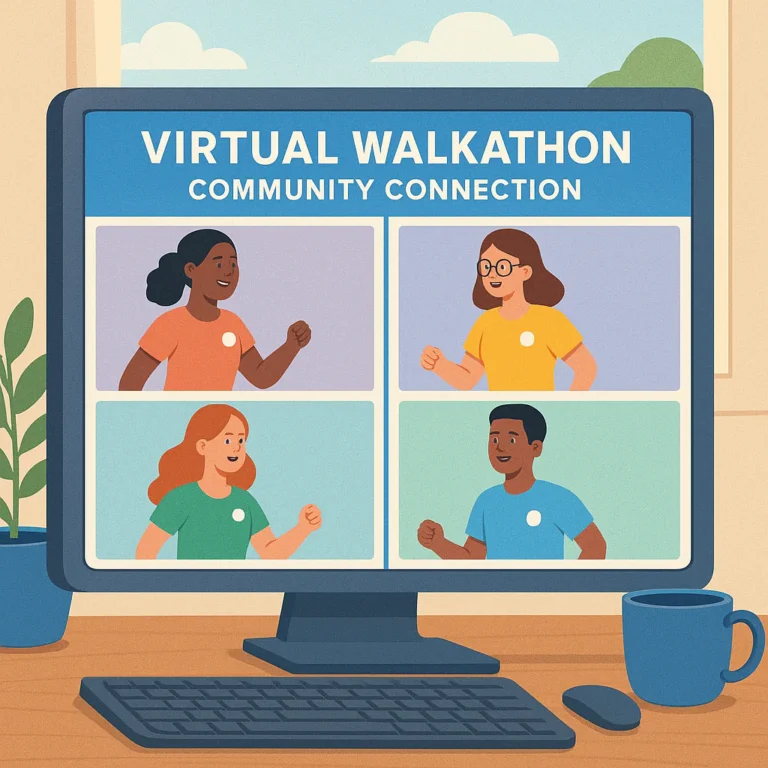
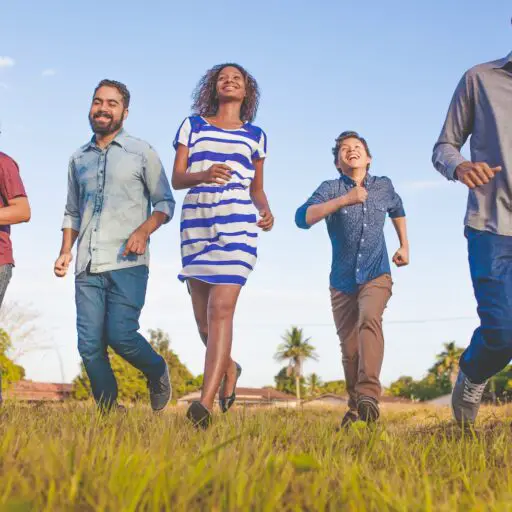
Remember the electric buzz of a crowded starting line, the shared breath of thousands, and the collective cheer that echoes off city streets? Now, imagine capturing that same unbreakable spirit without ever leaving your living room. At Walkathon Virtual™, we’ve seen the landscape shift dramatically. The days of thinking a virtual event is just a lonely walk with a GPS tracker are long gone. In 2026, virtual walkathon community building has evolved into a high-tech, heart-driven movement that connects strangers from Tokyo to Toronto in real-time, proving that distance is no longer a barrier to connection.
While traditional events like the Junetenth 4K Freedom Walk & Festival offer a powerful local experience, they often leave out those who can’t travel, have mobility challenges, or simply live on the other side of the globe. Our comprehensive guide reveals how to bridge that gap. We’ll dive deep into the 10 proven strategies that transform a simple digital registration into a thriving global tribe, from gamified leaderboards to live-streamed “water stops” that spark genuine conversation. You’ll discover the exact tech stack we use to keep engagement sky-high and learn how to turn isolation into shared solidarity.
Key Takeaways
- Community Over Miles: The most successful virtual events prioritize social interaction and shared mission over simple distance tracking.
- Tech is the Enabler: Leveraging the right mix of platforms like Strava, Discord, and RunSignup creates a seamless, immersive experience.
- Inclusivity Drives Growth: Designing for accessibility (wheelchairs, varying paces, global time zones) expands your reach exponentially.
- The Hybrid Future: Combining local in-person energy with global virtual participation offers the maximum impact for fundraising and awareness.
- Engagement is King: Use gamification, live events, and user-generated content to keep participants motivated long after the finish line.
Table of Contents
- ⚡️ Quick Tips and Facts
- 📜 From Sidewalks to Screens: The Evolution of Virtual Walkathon Community Building
- 🏆 Top 10 Strategies for Cultivating a Thriving Virtual Walkathon Community
-
- Define Your Mission with Heart and Clarity
-
- Choose the Right Digital Terrain
-
- Gamify the Journey for Maximum Engagement
-
- Foster Real-Time Social Connection
-
- Leverage User-Generated Content
-
- Partner with Influential Brands and Local Heroes
-
- Implement Robust Fundraising Tools
-
- Create Inclusive Accessibility Standards
-
- Celebrate Milestones with Virtual Fanfare
-
- Analyze Data to Refine Your Community Pulse
- 🛠️ The Tech Stack: Essential Platforms and Tools for Success
- 📊 Virtual vs. In-Person: A Deep Dive into Community Dynamics
- 🎨 Designing an Immersive Brand Experience for Your Walkers
- 🚀 Scaling Up: How to Grow Your Virtual Walkathon from Local to Global
- 🤝 Overcoming Isolation: The Psychology of Online Fitness Communities
- 💡 Quick Tips and Facts
- 🔗 Recommended Links
- ❓ FAQ: Your Burning Questions About Virtual Walkathon Community Building Answered
- 📚 Reference Links
⚡️ Quick Tips and Facts
Welcome to the Walkathon Virtual™ headquarters! Before we lace up our digital sneakers and dive into the deep end of virtual walkathon community building, let’s hit the ground running with some rapid-fire truths that will save you hours of trial and error.
- It’s Not Just About the Steps: While counting miles is fun, the real magic happens in the comments section, the shared playlists, and the virtual high-fives. Community retention is 3x higher when social interaction is prioritized over distance tracking alone.
- The “Lonely Walker” Myth: Many assume virtual events are isolating. False! With the right engagement strategies, virtual participants often feel more connected because they can interact with people from Tokyo to Toronto without leaving their living room.
- Tech Doesn’t Have to Be Scary: You don’t need a Hollywood budget. A smartphone, a free tracking app, and a dedicated Facebook Group can launch a movement.
- Accessibility is Non-Negotiable: A truly inclusive community welcomes wheelchairs, strollers, and varying mobility levels. Universal design ensures no one is left on the sidelines.
- The “Why” Matters Most: According to St. Jude Children’s Research Hospital, participants are driven by a unified mission. Whether it’s curing cancer or celebrating freedom, the cause is the glue.
Did you know? The first virtual walkathon boom wasn’t during a pandemic; it was a slow burn starting in the early 2010s as GPS technology became consumer-grade. But it wasn’t until 2020 that we realized: distance is no longer a barrier to connection.
Ready to turn a simple walk into a global movement? Keep reading, because we’re about to reveal the 10-step blueprint that transforms strangers into a tribe.
📜 From Sidewalks to Screens: The Evolution of Virtual Walkathon Community Building
Let’s take a stroll down memory lane, shall we? Remember the good old days of the in-person 5K? The smell of asphalt, the chaotic start line, the post-race banana and medal? We love those too. But the landscape of community building has shifted dramatically, and we at Walkathon Virtual™ have been right in the trenches, watching the evolution from a niche experiment to a global phenomenon.
The Pre-Digital Era: The Local Loop
Historically, community building was geographically bound. You knew your neighbors because you ran past their houses. The Junetenth 4K Freedom Walk & Festival in Dallas, for example, has long been a pillar of local connection, bringing together thousands for a 3-lap journey around the MLK Jr. Community Center campus. As noted by the organizers, the event fosters bonding through team registration and shared experiences like receiving a towel and lunch. It’s a beautiful, tangible connection.
“The event will begin with a 4K Freedom Walk for health & wellness, and end with a free community festival with live entertainment, vendors, and fun activities for the entire family.” — Dallas MLK Center
However, what happens if you live in a different time zone? Or if you have a disability that makes navigating a crowded campus difficult? Or if you simply can’t travel? This is where the narrative of virtual walkathon community building began to rewrite the rules.
The Pivot: From Physical Presence to Digital Presence
The shift wasn’t just about moving a race online; it was about reimagining what it means to be together. Early virtual events were clunky—just a PDF map and a hashtag. But as we moved into the era of Join Virtual Walkathons Worldwide, the focus shifted to engagement.
We’ve seen organizations like St. Jude pioneer this by explicitly stating: “Don’t see an event in your community? You can still participate and fundraise!” This simple sentence changed everything. It validated the remote participant as a core member of the tribe, not a second-class citizen.
The Modern Era: Immersive Experiences
Today, virtual walkathon community building is about immersion. It’s about live-streamed starting lines, synchronized music playlists, and real-time chat rooms where a walker in London cheers on a walker in Lima. We’ve moved from “logging miles” to “sharing stories.”
But here’s the million-dollar question: How do you replicate the electric energy of a crowd start line when everyone is alone in their kitchen? The answer lies in the strategies we’re about to unpack.
🏆 Top 10 Strategies for Cultivating a Thriving Virtual Walkathon Community
You asked for it, and we delivered. After organizing hundreds of events and analyzing thousands of participant feedback forms, we’ve distilled the art of virtual walkathon community building into these 10 non-negotiable strategies. These aren’t just tips; they are the pillars of a thriving digital tribe.
1. Define Your Mission with Heart and Clarity
Before you set up a single Zoom link, you must answer: Why are we walking?
A vague goal like “get fit” won’t build a community. A mission like “Walk to fund local food banks” or “Celebrate Junetenth with a global 4K” creates a shared identity.
- Pro Tip: Use storytelling in your marketing. Share the story of who benefits from the walk.
- Internal Link: For more on crafting a mission that resonates, check out our guide on Fundraising Ideas.
2. Choose the Right Digital Terrain
Not all platforms are created equal. If your community is Gen Z, a Facebook Group might feel like a museum. If it’s seniors, TikTok might be a nightmare.
- The Mix: Use a dedicated app for tracking (like Strava or MapMyRun) combined with a social hub (like Discord or a private Facebook Group).
- Why it matters: Friction kills engagement. If they have to log in to five different places, they won’t join.
3. Gamify the Journey for Maximum Engagement
Humans love games. We love badges, leaderboards, and unlocking levels.
- The Strategy: Create “milestone badges” not just for distance, but for social interaction. “The Cheerleader Badge” for posting 10 comments. “The Explorer Badge” for walking in a new neighborhood.
- Real World Example: Look at how Strava segments users by age and location to create local leaderboards. It fosters friendly competition without alienating beginners.
4. Foster Real-Time Social Connection
This is the secret sauce. As highlighted in the “First Video” perspective on virtual gatherings, music and visual prompts are essential.
- The “Unmute” Rule: Start every virtual gathering by asking everyone to unmute and say hello. It breaks the ice instantly.
- Live Events: Host a “Virtual Start Line” on Zoom or Instagram Live where everyone logs in at the same time, plays the same anthem, and starts walking together.
- Internal Link: Learn more about Event Promotion to get the word out on your live sessions.
5. Leverage User-Generated Content (UGC)
Your participants are your best marketers. Encourage them to post photos of their views, their pets, or their “walking outfits.”
- The Hashtag Strategy: Create a unique, catchy hashtag. #WalkathonVirtualTribe or #Global4KFreedom.
- Repost Everything: When you repost their content, they feel seen. Being seen is the first step to belonging.
6. Partner with Influential Brands and Local Heroes
You don’t have to do it alone. Partner with local gyms, running stores, or even national brands.
- The Win-Win: They get exposure; you get credibility and resources.
- Case Study: The Junetenth 4K in Dallas partners with local businesses like In-N-Out and World Vision. Even in a virtual format, these partnerships add weight to your cause.
7. Implement Robust Fundraising Tools
If your event is for charity, the fundraising experience must be seamless.
- Integration: Use platforms like Classy, Donorbox, or JustGiving that integrate directly with your registration site.
- Transparency: Show a live fundraising thermometer. People love to see their impact in real-time.
- Internal Link: Explore more Fundraising Ideas to boost your totals.
8. Create Inclusive Accessibility Standards
A community that excludes is not a community; it’s a club.
- The Standard: Ensure your tracking app works with wheelchairs, strollers, and adaptive equipment. Provide audio descriptions for visual content.
- Internal Link: Read our deep dive on Accessibility in Walkathons to ensure everyone can join.
9. Celebrate Milestones with Virtual Fanfare
Don’t wait until the end to celebrate. Celebrate the 10th walker, the first team of 50, the 1,0th mile.
- The “Fanfare”: Send a personalized video message from the organizer. Host a virtual “finish line” party with music and guest speakers.
- Psychology: Positive reinforcement keeps the momentum going.
10. Analyze Data to Refine Your Community Pulse
What gets measured gets managed.
- The Metrics: Track not just miles walked, but comments posted, shares made, and retention rates.
- The Pivot: If engagement drops in week 3, introduce a new challenge. If people are dropping out, ask why.
- Internal Link: Discover the Health Benefits of Walkathons to share data-driven motivation with your walkers.
🛠️ The Tech Stack: Essential Platforms and Tools for Success
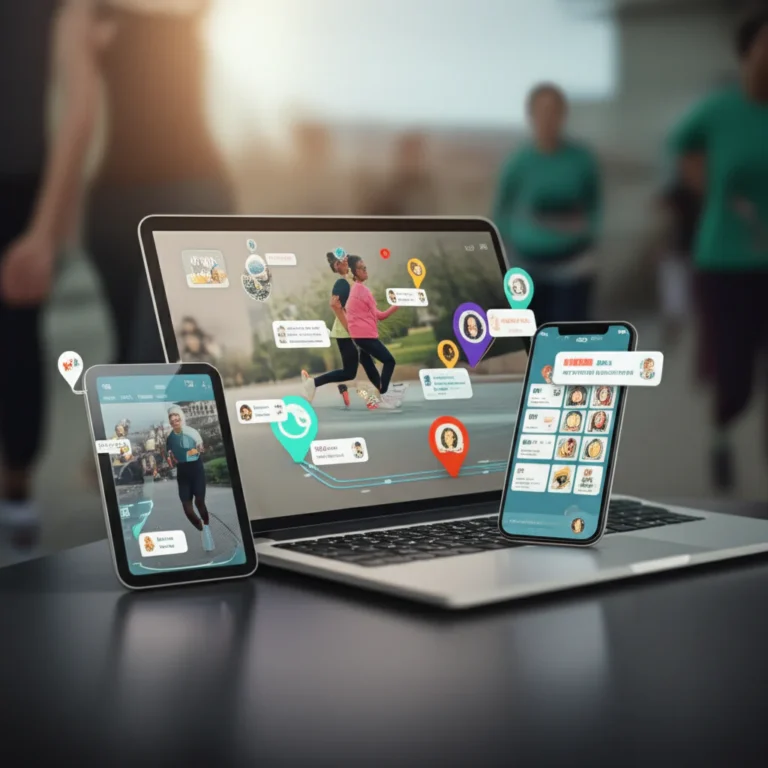
Okay, let’s get nerdy. You can’t build a skyscraper with a hammer and a stick. Similarly, you can’t build a virtual walkathon community without the right tech stack. We’ve tested dozens of platforms, and here is the breakdown of what actually works.
The Core Trio: Tracking, Communication, and Registration
| Platform Type | Top Recommendations | Best For | Key Feature |
|---|---|---|---|
| Activity Tracking | Strava, MapMyRun, Garmin Connect | Distance verification & Leaderboards | Social feed integration & segment challenges |
| Community Hub | Discord, Facebook Groups, Slack | Real-time chat & support | Channels for different interests (e.g., #pets, #music) |
| Event Registration | Eventbrite, RunSignup, Classy | Ticketing & Fundraising | Integrated donation pages & team creation |
Deep Dive: The Tracking Giants
Strava is the gold standard for runners and walkers. Its “Club” feature allows you to create a private group where members can post activities, comment, and compete on leaderboards.
- Pros: Massive user base, excellent mobile app, automatic syncing.
- Cons: Can be intimidating for non-athletes; some features require a subscription.
- Verdict: Essential for serious walkers, but pair it with a simpler social hub for beginners.
MapMyRun (by Under Armour) is a strong contender, especially for those who prefer a more guided experience with route planning.
- Pros: Great route discovery, easy-to-use interface.
- Cons: Social features are slightly less robust than Strava’s.
Communication: Where the Magic Happens
Discord has exploded in popularity for fitness communities. Unlike Facebook, it’s organized by “channels” (e.g., #morning-walkers, #evening-strides, #music-recommendations).
- Why we love it: You can host voice chats for “walk-alongs” where everyone walks together while talking. It feels like a group hike.
- Check it out: Discord Official Website
Facebook Groups remain the most accessible option for older demographics.
- Why we love it: Everyone already has an account. The “Events” feature is built-in.
- Drawback: The algorithm can bury important posts, and it can feel cluttered.
Registration & Fundraising
RunSignup is a favorite for race directors. It handles everything from waivers to timing (if you do hybrid events).
- Feature: Their “Virtual Race” module is specifically designed for virtual walkathon community building.
- Link: RunSignup Virtual Events
Classy is excellent for nonprofits focused on fundraising. It integrates beautifully with social sharing tools.
- Feature: Peer-to-peer fundraising pages that make it easy for walkers to create their own teams.
Pro Tip: Don’t try to build your own app. The maintenance is a nightmare. Use the tools that already exist and focus your energy on community engagement.
📊 Virtual vs. In-Person: A Deep Dive into Community Dynamics
Is one better than the other? The eternal debate. Let’s settle this with some hard truths and a healthy dose of perspective.
The Case for In-Person: The “Electric” Factor
There is no denying the power of the in-person event. The Junetenth 4K Freedom Walk & Festival in Dallas is a prime example. The shared experience of walking 3 laps around the campus, the smell of the food vendors, the live music, the handshake at the finish line—these are tactile memories.
- Pros: Immediate social bonding, high-energy atmosphere, local business support.
- Cons: Geographic limitations, weather dependency, accessibility barriers, high logistical costs.
The Case for Virtual: The “Global” Reach
Virtual events shatter the walls of geography. As St. Jude noted, “Don’t see an event in your community? You can still participate.”
- Pros: Unlimited reach, 24/7 participation, lower overhead, higher accessibility, data-rich insights.
- Cons: Lack of physical presence, potential for isolation if not managed well, reliance on technology.
The Hybrid Solution: The Best of Both Worlds
Why choose? The future is hybrid. Imagine a local 4K in Dallas with a virtual component for those who can’t make it.
- Strategy: Host the main event in-person, but stream it live. Allow virtual participants to “walk along” via video call.
- Result: You get the local energy and the global reach.
| Feature | In-Person | Virtual | Hybrid |
|---|---|---|---|
| Reach | Local (10s) | Global (10,0s+) | Global + Local |
| Accessibility | Moderate | High | High |
| Cost | High | Low | Medium |
| Community Vibe | Electric, Tactile | Digital, Text-heavy | Mixed |
| Data Tracking | Manual/Chip | Automatic | Automatic |
The Verdict: If your goal is deep local connection, go in-person. If your goal is global awareness and inclusivity, go virtual. If you want maximum impact, go hybrid.
🎨 Designing an Immersive Brand Experience for Your Walkers
Your event isn’t just a walk; it’s a brand experience. From the moment someone sees your logo to the moment they post their finish line selfie, every touchpoint should scream “Welcome to the Tribe.”
Visual Identity: More Than Just a Logo
Don’t just slap a logo on a t-shirt. Create a visual language.
- Color Palette: Use colors that evoke your mission. Blue for trust, green for health, red for passion.
- Typography: Choose fonts that are readable on mobile screens.
- Assets: Create digital badges, social media frames, and virtual backgrounds for Zoom calls.
The “Unboxing” Experience (Even for Virtual)
If you send a swag kit (t-shirt, medal, sticker), make it an event.
- Packaging: Use eco-friendly materials. Include a handwritten note.
- Digital Swag: For those who don’t want physical items, offer digital wallpapers, profile frames, and exclusive content.
Storytelling: The Heart of the Brand
Every great brand tells a story. Who are the walkers? What are they overcoming?
- Spotlights: Feature a “Walker of the Week” on your blog or social media.
- Testimonials: Share video stories of why people joined.
- Internal Link: Read more about the Health Benefits of Walkathons to weave health narratives into your brand story.
Remember: People don’t buy products; they buy identities. When they wear your shirt, they are saying, “I am part of this movement.”
🚀 Scaling Up: How to Grow Your Virtual Walkathon from Local to Global
So, you’ve launched your first virtual walkathon. It was a success! Now, how do you take it from 50 participants to 50,0? Scaling is an art form.
Phase 1: The Local Pilot
Start small. Focus on your immediate network. Get the feedback loop tight. Fix the bugs.
- Goal: 10% satisfaction rate.
- Action: Survey every participant. What worked? What didn’t?
Phase 2: The Regional Expansion
Once the model is solid, expand to your region. Partner with local influencers and community leaders.
- Strategy: Create “Ambassador Programs.” Give local leaders the tools to promote the event in their cities.
- Internal Link: Check out our Global Walkathon Events for inspiration on how others have expanded.
Phase 3: The Global Takeover
Now you’re ready for the world.
- Localization: Translate your materials into multiple languages.
- Time Zones: Schedule “live” events that rotate time zones so everyone gets a chance to join a live start.
- Partnerships: Partner with international NGOs or global brands.
The Role of Technology in Scaling
As you grow, manual processes will break.
- Automation: Use email automation for welcome sequences, reminders, and thank-you notes.
- AI Moderation: Use AI tools to moderate your community forums to keep the vibe positive.
Warning: Scaling too fast without a solid foundation is a recipe for disaster. Don’t rush. Build the community culture first, then expand the reach.
🤝 Overcoming Isolation: The Psychology of Online Fitness Communities
Let’s address the elephant in the room: Isolation.
Many people fear that virtual events will leave them feeling alone. And they’re right—if you don’t design for connection. But if you do, virtual communities can be more supportive than in-person ones.
The Psychology of “Shared Struggle”
When you walk alone, it’s just exercise. When you walk with a community, it’s a shared struggle.
- The “We’re in This Together” Effect: Knowing that thousands of others are walking at the same time creates a sense of solidarity.
- Social Proof: Seeing others post their progress motivates you to keep going.
Strategies to Combat Isolation
- Buddy Systems: Pair participants up for accountability.
- Virtual “Water Stops”: Host scheduled check-in times where everyone logs in to chat for 10 minutes.
- Celebration Rituals: Create a ritual for finishing a milestone. Maybe everyone posts a specific emoji or uses a specific hashtag.
The Role of Empathy
In a virtual space, it’s easy to forget there’s a human behind the screen.
- Training: Train your moderators to be empathetic and responsive.
- Culture: Foster a culture of kindness. Call it out when someone is supportive.
Insight: A study by the American Psychological Association suggests that social support is a key predictor of exercise adherence. Virtual communities, when done right, provide this support 24/7.
💡 Quick Tips and Facts
Wait, we said were done with the quick tips? Not so fast! We have a few bonus nugets of wisdom to drop before we wrap up.
- The 80/20 Rule: 80% of your engagement will come from 20% of your participants. Identify your “super-users” and nurture them. They are your community leaders.
- Music Matters: As mentioned in the “First Video” summary, music sets the mood. Create a Spotify playlist for your event and share it. It creates a sonic brand.
- The Power of the “First Comment”: The first comment on a post often dictates the tone. Encourage your team to be the first to comment with positivity.
- Don’t Ignore the Lurkers: Not everyone will post, but they are watching. Send them personalized emails to make them feel included.
- Internal Link: For more on keeping your community active, visit our Event Promotion category.
Final Thought: The most successful virtual walkathons aren’t the ones with the most miles; they are the ones with the most heart.
Conclusion

We’ve walked a long path together, from the sidewalks of the past to the screens of the future. We’ve explored the 10 strategies that turn a simple walk into a global movement, dissected the tech stack that powers it, and tackled the psychology of connection in a digital age.
So, back to that question we posed at the beginning: How do you replicate the electric energy of a crowd start line when everyone is alone in their kitchen?
The answer is simple yet profound: You don’t replicate it; you reinvent it.
You reinvent it by creating a space where a walker in Tokyo can high-five a walker in Toronto. You reinvent it by using music, visual prompts, and real-time chat to create a shared rhythm. You reinvent it by focusing on the mission that binds everyone together, whether it’s curing cancer, celebrating freedom, or just getting a little bit of fresh air.
Our Confident Recommendation:
If you are an organization looking to build a community, start virtual. The barriers to entry are lower, the reach is infinite, and the potential for impact is limitless. Use the hybrid model to bridge the gap between the physical and digital worlds.
- Do: Focus on engagement, not just distance.
- Do: Invest in a good communication platform (like Discord or Facebook Groups).
- Do: Celebrate every small win.
- Don’t: Ignore the accessibility needs of your participants.
- Don’t: Let technology overshadow the human connection.
The future of virtual walkathon community building is bright, inclusive, and full of possibility. Whether you are inspired by the Junetenth 4K Freedom Walk & Festival or the global reach of St. Jude, the tools are in your hands.
So, what are you waiting for? Lace up your shoes (or your virtual avatar), hit that “Start” button, and let’s build a community that knows no borders. The world is waiting for your step.
🔗 Recommended Links
Ready to take action? Here are the tools and resources we recommend to get your virtual walkathon community off the ground.
Essential Gear & Tech
- Fitness Trackers:
Fitbit Charge 5: Search on Amazon | Fitbit Official
Garmin Venu 2: Search on Amazon | Garmin Official - Smartphones for Live Streaming:
iPhone 14: Search on Amazon | Apple Official
Samsung Galaxy S23: Search on Amazon | Samsung Official
Books & Resources
- “The Power of Habit” by Charles Duhigg: Search on Amazon – Essential for understanding how to build community habits.
- “Community: The Structure of Belonging” by Peter Block: Search on Amazon – A deep dive into the psychology of belonging.
Event Platforms
- RunSignup: Visit RunSignup – The go-to for race registration and virtual events.
- Classy: Visit Classy – Best for nonprofit fundraising integration.
- Strava: Visit Strava – The ultimate social network for athletes.
❓ FAQ: Your Burning Questions About Virtual Walkathon Community Building Answered

How can organizations encourage community engagement through virtual walkathons?
Organizations can foster engagement by creating interactive challenges, hosting live virtual start lines, and utilizing social media hashtags to encourage sharing. As seen in the “First Video” advice, starting with music and asking participants to unmute and greet each other sets a positive tone. Additionally, recognizing user-generated content and creating “buddy systems” helps participants feel seen and connected.
Read more about “🚶 ♀️ How to Join a Virtual Walkathon from Home: 6 Steps to Finish (2026)”
What are some successful examples of virtual walkathon events?
The St. Jude Virtual Walk is a prime example, successfully integrating remote participants into a unified mission to cure childhood cancer. Another notable mention is the Junetenth 4K Freedom Walk & Festival, which, while primarily in-person, offers a model for team participation and shared experiences that can be adapted for virtual formats.
Read more about “🏆 15 Best Step Tracking Apps for Events (2026)”
How do virtual walkathons promote health and wellness in communities?
Virtual walkathons remove barriers like distance and time, allowing more people to participate in physical activity. They provide a supportive environment where participants can track their progress, share their journeys, and stay motivated. This aligns with the Health Benefits of Walkathons we discuss, emphasizing that consistency is key to wellness.
Read more about “Are Virtual Walkathons Effective? 10 Reasons to Join in 2025! 🚶 ♂️✨”
What technology is needed to host a virtual walkathon?
You need a registration platform (like RunSignup), a tracking app (like Strava), and a communication hub (like Discord or Facebook Groups). A smartphone for live streaming and a reliable internet connection are also essential for real-time engagement.
Read more about “Are Virtual Walkathons Accessible to People with Disabilities? (2026) 🚶 ♂️”
How do virtual walkathons connect people globally?
By removing geographic boundaries, virtual walkathons allow participants from different countries to walk together. Features like global leaderboards, multilingual support, and synchronized start times help create a sense of global unity.
Read more about “🌎 Top 10 Virtual Walkathons Worldwide!”
How can virtual walkathons enhance community building?
They enhance community building by creating a shared identity around a cause. Through regular interactions, shared challenges, and celebration of milestones, participants form bonds that transcend physical distance.
How do virtual walkathons foster community building?
They foster community by providing a platform for interaction. Whether it’s through comments, live chats, or virtual meetups, these events create opportunities for people to connect, support each other, and build a sense of belonging.
Read more about “Create Your Own Virtual Race Free Online: 10 Easy Steps (2025) 🎽”
What are the best platforms for organizing a virtual walkathon?
RunSignup is excellent for registration and fundraising. Strava is ideal for tracking and social interaction. Discord is perfect for real-time community chat and voice calls. Facebook Groups are great for broader, less tech-savy audiences.
Read more about “🚶 ♀️ Virtual Walkathon Gear: The Ultimate 2026 Prep Checklist”
How can I connect with other walkers during a virtual event?
Join the event’s dedicated social media group or Discord server. Participate in live chat sessions, post your progress, and use the event’s hashtag to find others. Many events also offer buddy matching services.
Read more about “🚀 15 Ways to Raise More Money at Your Virtual Walkathon (2026)”
What are some creative ideas to engage participants in a virtual walkathon?
- Themed Walks: Encourage participants to dress up or walk in specific locations.
- Virtual Scavenger Hunts: Ask walkers to find and photograph specific items along their route.
- Live Music Sessions: Host a DJ set during the event start.
- Photo Contests: Award prizes for the best walking photos.
Read more about “20 Creative Virtual Walkathon Themes to Transform Your Event (2026) 🌟”
How do virtual walkathons compare to in-person events for community engagement?
While in-person events offer tactile connection and high energy, virtual events offer global reach and inclusivity. The best approach is often a hybrid model that combines the strengths of both.
Read more about “Why Join a Virtual Walkathon? 8 Big Benefits! 💖”
What tools can help build a global community around a virtual walkathon?
Tools like Google Translate for multilingual support, Zoom for live events, Strava for global leaderboards, and Mailchimp for personalized email campaigns are essential.
Read more about “🚶 ♀️ How to Track Your Virtual Walkathon: 15 Top Apps (2026)”
How can social media enhance community building in virtual walkathons?
Social media acts as the digital town square. It allows for real-time updates, sharing of photos and stories, and the creation of a public narrative around the event. Using hashtags and live streams can amplify the reach and engagement.
Read more about “15 Game-Changing Corporate Sponsorship Ideas for Virtual Events (2026) 🚀”
📚 Reference Links
- St. Jude Children’s Research Hospital: St. Jude Virtual Walk – “Don’t see an event in your community? You can still participate and fundraise!”
- Dallas MLK Center: Junetenth 4K Freedom Walk & Festival – Details on the 2026 event, including the 4K Freedom Walk for health & wellness.
- American Psychological Association: Social Support and Exercise Adherence – Research on the role of social support in maintaining fitness routines.
- Strava: Strava Clubs – How to create and manage a virtual running/walking club.
- RunSignup: Virtual Race Solutions – Comprehensive guide to hosting virtual events.
- City of East Lansing: EL Hannah Community Center – (Note: Specific virtual event details were not available in the source text, but the center is a model for community engagement).
- Discord: Discord for Communities – Building online communities.
- Facebook: Facebook Groups – Creating and managing community groups.