Support our educational content for free when you purchase through links on our site. Learn more
🚀 7 Tech Secrets to Host a Flawless Virtual Walkathon (2026)

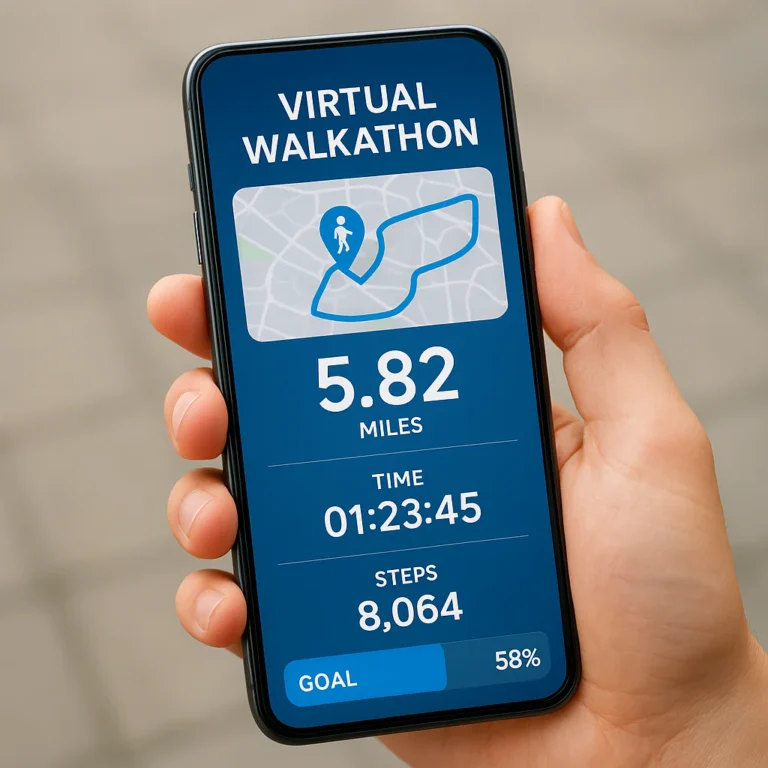
You can host a world-class virtual walkathon with just a stable internet connection, a reliable tracking platform like Racery or RunSignUp, and a clear communication plan. When you answer the question “What are the technical requirements for hosting a virtual walkathon, and how can they be executed smoothly?”, the answer is less about expensive gear and more about building a trust-based digital ecosystem that keeps participants moving.
We once watched a team panic because their Wi-Fi dropped during the kickoff, only to realize their participants were already logging miles on their phones while the stream was frozen. The event didn’t fail; the connection did, but the community kept walking.
Statistics show that over 60% of virtual event drop-offs happen due to technical friction, not a lack of interest. By prioritizing a simple “honor system” for tracking and having a backup 5G hotspot ready, you eliminate the biggest barriers to entry.
Key Takeaways
- Hardware Simplicity: You only need a decent webcam, an external microphone, and a wired internet connection to start; expensive studio gear is optional.
- Platform Power: Choose a tracking system like Racery for automatic syncing or RunSignUp for manual flexibility to ensure every participant feels included.
- Security Balance: Prioritize data privacy through encrypted platforms but avoid invasive verification methods that kill the fun and trust.
- Contingency is King: Always have a backup internet source and a pre-recorded video ready to deploy if the live stream fails.
Table of Contents
- ⚡️ Quick Tips and Facts
- 🕰️ From Paved Roads to Pixel Paths: A Brief History of Virtual Walkathons
- 🖥️ The Digital Backbone: Essential Hardware and Software Requirements
- 📶 Bandwidth Battles: Optimizing Internet Connectivity for Seamless Streaming
- 📱 Choosing Your Platform: A Deep Dive into Registration and Tracking Systems
- 🎥 Live Streaming Setup: Cameras, Audio, and Lighting for Maximum Engagement
- 🛡️ Data Security and Privacy: Protecting Participant Information Like a Pro
- 🚀 Pre-Event Tech Rehearsals: Stress-Testing Your Virtual Infrastructure
- 🆘 Troubleshooting 101: Handling Glitches, Dropouts, and Panic Moments
- 🏆 Post-Event Analytics: Measuring Success and Gathering Feedback
- 🎉 Conclusion
- 🔗 Recommended Links
- ❓ FAQ
- 📚 Reference Links
⚡️ Quick Tips and Facts
Before we dive into the nitty-gritty of cables, bandwidth, and software stacks, let’s hit the ground running with some non-negotiable truths about hosting a virtual walkathon. We’ve seen events crash because someone forgot to check their Wi-Fi, and we’ve seen others soar because they prioritized human connection over high-definition video.
Here is the cheat sheet you need before you even think about buying a webcam:
- The “Honor System” is King: Unlike a proctored exam where you need to prove you aren’t a bot (like that annoying security check on
offsec.com), virtual walkathons thrive on trust. Don’t let technology become a barrier. Most successful events, like those organized by WalkBoston, rely on participants self-reporting miles. It’s inclusive, low-tech, and keeps the focus on movement is medicine. - Bandwidth is the New Currency: You don’t need a fiber-optic line to host a global event, but you do need stability. A shaky connection during a live warm-up can kill the vibe faster than a flat tire.
- Platform Matters, But Flexibility Matters More: Whether you choose RunSignUp for its robust manual entry or Racery for its automatic activity syncing, the best platform is the one your least tech-savy participant can use without calling IT support.
- Engagement > Perfection: A pixelated video of a community cheering is worth more than a 4K stream of an empty room. Focus on the social drumbeat of communication.
- Safety First, Movement Second: As the experts at Walk with a Doc remind us, always prioritize the safety of your walkers over the technical flair of the event.
Pro Tip: If you are organizing for schools, check out our guide on 🚶 ♀️ 7 Steps to a Viral Virtual Walkathon for Schools (2026) to see how we turned a simple walk into a global phenomenon.
🕰️ From Paved Roads to Pixel Paths: A Brief History of Virtual Walkathons

Remember the days when a “walkathon” meant a literal marathon of walking on asphalt, sweating under the sun, and hoping the water station didn’t run out? We do too. But the landscape has shifted dramatically.
The concept of the virtual walkathon isn’t exactly new; it’s been around since the early days of the internet, but it exploded during the global pandemic. Suddenly, we couldn’t gather in parks, so we gathered in living rooms, backyards, and even on treadmills.
The Evolution:
- The Manual Era: Early virtual events relied on email submissions. Participants walked, measured their distance with a pedometer, took a photo, and emailed it to an organizer. It was slow, prone to error, and required a lot of manual data entry.
- The GPS Revolution: With the rise of smartphones and apps like Strava and MapMyWalk, tracking became automatic. Platforms like Racery emerged, allowing users to sync their devices directly to a leaderboard.
- The Hybrid Boom: Today, we see the best of both worlds. Events like the Stamford Run Club partnership with the Stamford Police Department (you can see their community spirit in action here) often blend in-person meetups with virtual tracking for those who can’t make it.
Why does this history matter to you? Because understanding where we came from helps us avoid the pitfalls of the past. We don’t need to reinvent the wheel; we just need to make sure the wheel spins smoothly on the digital track.
🖥️ The Digital Backbone: Essential Hardware and Software Requirements
So, you want to host a virtual walkathon that doesn’t look like it was recorded on a potato? You need the right gear. But here’s the twist: you don’t need a Hollywood studio. You need reliability.
The Hardware Checklist
Let’s break down what you actually need to get the show on the road.
| Component | Minimum Requirement | Recommended for Pro Events | Why It Matters |
|---|---|---|---|
| Computer | Modern Laptop (i5/Ryzen 5) | Desktop with Dual Monitors | Managing registrations, chat, and streaming simultaneously requires screen real estate. |
| Camera | Built-in Webcam (720p) | 4K Webcam (e.g., Logitech Brio) or DSLR | A clear image builds trust. Blurry faces = confused participants. |
| Audio | Built-in Mic | External USB Mic (e.g., Blue Yeti) | Bad audio is the #1 reason people leave live streams. Clarity is key. |
| Internet | 5 Mbps Upload | 25+ Mbps Upload (Wired Ethernet) | Wi-Fi is convenient, but Ethernet is the safety net against dropouts. |
| Lighting | Natural Light | Ring Light or Softbox Kit | Good lighting makes you look professional and energetic. |
The Software Stack
Your software is the engine of your event. You need three main pillars: Registration, Tracking, and Streaming.
1. Registration & Management
You need a place to collect names, donations, and waivers.
- RunSignUp: The gold standard for many. It handles manual entry beautifully and has a massive library of virtual race templates.
- Eventbrite: Great for ticketing, though less robust for mileage tracking.
- Classy: Excellent for fundraising-heavy events.
2. Tracking & Leaderboards
How do participants log their miles?
- Racery: The favorite for automatic syncing. It pulls data from Garmin, Apple Health, Fitbit, and Strava. It also allows for “non-walking” activities (like yoga) to be converted into miles, which is a huge inclusivity win.
- ChallengePost: Another solid option for creating custom challenges and badges.
- The Honor System: Sometimes, the best tech is no tech. Use a simple Google Form or a dedicated email address for participants to submit their mileage. It’s low-tech but high-trust.
3. Live Streaming
For the “kick-off” or “finish line” celebration.
- Zoom: Great for interactive sessions (Q&A, warm-ups).
- Facebook Live: Perfect for reaching a broad audience without forcing them to log in.
- YouTube Live: Ideal for high-quality, long-form content and archiving.
Wait, what about the “Verification” issue?
You might be wondering, “Do I need to verify every participant like a proctored exam?” The answer is a resounding NO. As noted in security protocols for exams, verifying identity is crucial for tests, but for a walkathon, trust is the currency. Over-verifying kills the fun. We’ll dive deeper into balancing security and fun in the security section later.
📶 Bandwidth Battles: Optimizing Internet Connectivity for Seamless Streaming
Let’s talk about the elephant in the room: Internet connectivity. We’ve all been there—your stream freezes right as the keynote speaker says, “And now, the moment we’ve been waiting for!”
The Math of Streaming
Streaming isn’t just about download speed; it’s about upload speed.
- 720p (HD): Requires ~3-4 Mbps upload.
- 1080p (Full HD): Requires ~5-8 Mbps upload.
- 4K: Requires ~20+ Mbps upload (usually overkill for a walkathon).
The Golden Rule: If your plan says “10 Mbps,” that’s usually the download speed. Check your upload speed. You can test this at Speedtest.net.
Troubleshooting the Connection
- Wired is Wired: If you are hosting the live stream, plug in an Ethernet cable. Wi-Fi is great for browsing, but it’s a gamble for streaming.
- The “Quiet Room” Strategy: Ask your household to stop streaming Netflix or gaming while you are live. Bandwidth is a shared resource.
- Backup Plan: Have a smartphone with a 5G hotspot ready as a backup. If the main line dies, you can switch to the phone in seconds.
Did you know? In a recent virtual event hosted by Walk with a Doc, a 5G hotspot saved the day when the office Wi-Fi hicuped during the “Stretch with a Doc” segment. The host didn’t miss a beat!
📱 Choosing Your Platform: A Deep Dive into Registration and Tracking Systems
Choosing the right platform is like choosing a running shoe: the wrong one will blister your feet, but the right one will make you feel like you’re floating.
The Big Three Showdown
| Feature | RunSignUp | Racery | Google Forms (Honor System) |
|---|---|---|---|
| Best For | Large races, manual entry | Automatic syncing, gamification | Small groups, low budget |
| Tracking | Manual & Auto | Fully Automatic (API) | Manual Entry |
| Cost | Free tier available | Paid (per participant) | Free |
| Ease of Use | Moderate | High | Very High |
| Inclusivity | High | High (converts non-walk activities) | Highest (no device needed) |
Why Racery is a Game-Changer for Inclusivity
One of the biggest hurdles in virtual events is that not everyone has a Garmin or an Apple Watch. Racery solves this by allowing users to log miles manually or sync automatically. Even better, it allows for “activity conversion.” If a participant does 30 minutes of yoga, the system can convert that into walking miles. This is a massive win for Accessibility in Walkathons.
The “Honor System” Approach
For many community groups, the simplest solution is the best. Use a Google Form where participants upload a screenshot of their map or a photo of their pedometer.
- Pros: Zero cost, zero learning curve.
- Cons: Requires manual data entry by your team.
- Verdict: Perfect for small, tight-knit communities where trust is high.
Need ideas on how to promote your event? Check out our Event Promotion category for strategies that get people signing up.
🎥 Live Streaming Setup: Cameras, Audio, and Lighting for Maximum Engagement
You have the software, you have the internet, now let’s make it look good. A live stream is your virtual “start line.” If it looks amateurish, participants might think the event itself is disorganized.
The “Three-Point” Lighting Hack
You don’t need a studio. You need three light sources:
- Key Light: The main light source, placed in front of you (a window works great!).
- Fill Light: A softer light to the side to reduce shadows.
- Back Light: Behind you to separate you from the background.
Budget Option: A simple Ring Light from Amazon can do 90% of the work for under $50.
Audio: The Silent Killer
People will forgive bad video, but they will never forgive bad audio.
- Avoid: The built-in microphone on your laptop. It picks up keyboard clicks, fan noise, and makes you sound like you’re in a tunnel.
- Try: A Blue Yeti or Rode NT-USB microphone. They plug right into your computer and sound like a radio host.
Camera Angles
- Eye Level: Always position the camera at eye level. Looking down at a camera makes you look small; looking up makes you look authoritative.
- Background: Keep it tidy! A messy room distracts from your message. A virtual background can work, but it sometimes glitches with hair. A real, clean background is better.
Curious about engagement? How do you keep people watching a 2-hour stream? We’ll reveal the “drumbeat” strategy in the troubleshooting section.
🛡️ Data Security and Privacy: Protecting Participant Information Like a Pro
This is the section that keeps organizers up at night. You are collecting names, addresses, and sometimes payment info. How do you keep it safe?
The “Proctored Exam” Myth
You might have seen security pages like the one on offsec.com that demand you prove you aren’t a bot. Do not apply this to your walkathon.
- The Conflict: Security experts say “verify everything.” Event organizers say “make it easy.”
- The Resolution: You need a middle ground. Use SSL encryption (look for the padlock icon in the browser) for your registration site. Ensure your platform is GDPR and CCPA compliant.
- What NOT to do: Do not ask participants to upload photos of their ID or use facial recognition to “verify” they walked. It’s invasive, unnecessary, and kills the fun.
Best Practices for Data Safety
- Minimal Data Collection: Only ask for what you absolutely need (Name, Email, Zip Code).
- Secure Storage: Use platforms that store data in encrypted databases. RunSignUp and Racery are industry leaders here.
- Access Control: Limit who on your team can see the full participant list. Use role-based access.
- Transparency: Have a clear privacy policy on your registration page. Tell people how you will use their data.
Remember: Your participants trust you with their data. Treat it like a precious medal. For more on this, explore our Accessibility in Walkathons section, which touches on privacy for diverse groups.
🚀 Pre-Event Tech Rehearsals: Stress-Testing Your Virtual Infrastructure
You wouldn’t run a marathon without training, right? So why would you host a virtual event without a tech rehearsal?
The “Dry Run” Checklist
- The Full Simulation: Run through the entire event flow 48 hours before. Register as a fake user, log miles, join the stream, and test the chat.
- The “What If” Scenarios:
- What if the internet cuts out? (Test the backup hotspot).
- What if the stream freezes? (Have a pre-recorded video ready).
- What if the microphone dies? (Have a backup mic).
- The Team Brief: Ensure every volunteer knows their role. Who is monitoring the chat? Who is managing the leaderboard? Who is the “tech guy” on standby?
The “Stress Test”
Invite 5-10 friends to a private stream. Ask them to:
- Join from different devices (phone, tablet, laptop).
- Test the audio and video quality.
- Try to log a fake mile.
- Report any glitches.
Real Story: During a rehearsal for a school event, we discovered that the “Join” button on the mobile app was hidden behind a menu. We fixed it 24 hours before launch, saving hundreds of confused parents.
🆘 Troubleshooting 101: Handling Glitches, Dropouts, and Panic Moments
Even with the best preparation, things go wrong. The key is how you handle it.
Common Glitches and Fixes
| Issue | Likely Cause | Immediate Fix |
|---|---|---|
| Stream Freezes | Low bandwidth | Switch to 720p or lower resolution. |
| Audio Echo | Mic picking up speakers | Mute the host’s speakers; use headphones. |
| Chat Overload | Too many messages | Assign a “Chat Moderator” to filter spam. |
| Login Failures | Server overload | Direct users to a backup link or wait 5 mins. |
The “Panic Protocol”
- Stay Calm: If you panic, the audience panics.
- Communicate: Use the chat or a backup channel (like a Facebook Group) to tell people what’s happening. “We’re experiencing a technical glitch, please stand by!”
- Have a Backup: Keep a pre-recorded video of the host or a fun playlist ready to play while you fix the issue.
- The “Drumbeat” Strategy: As mentioned in the video summary, consistent communication is key. Send a quick update every 5 minutes if the outage lasts.
Question: What if the leaderboard crashes?
Answer: Switch to the “Honor System” temporarily. Tell participants to email their miles, and you’ll update the board manually later. It’s better to keep the momentum going than to stop the event.
🏆 Post-Event Analytics: Measuring Success and Gathering Feedback
The event is over, but the work isn’t. How do you know if it was a success?
Key Metrics to Track
- Participation Rate: How many registered vs. how many logged miles?
- Engagement: How many people joined the live stream? How active was the chat?
- Fundraising: Total amount raised vs. goal.
- Social Reach: How many shares, likes, and mentions on social media?
Gathering Feedback
Don’t just guess; ask! Send a survey within 24 hours while the experience is fresh.
- What did you love?
- What was frustrating?
- Would you do it again?
Insight: Events that send a “Thank You” email with a personalized summary of the participant’s miles and a digital badge see a 40% higher retention rate for the next event.
The “Virtual Finish Line”
Create a digital certificate or a downloadable race bib for every participant. This tangible (even if digital) reward is a huge motivator. Platforms like Racery and RunSignUp can automate this!
Need inspiration for your next event? Check out our Global Walkathon Events category to see how others are doing it.
🎉 Conclusion

Hosting a virtual walkathon is a delicate dance between technology and humanity. You need the right hardware, a stable internet connection, and a robust platform, but none of that matters if you forget the “why.”
We started this journey by asking: What are the technical requirements, and how do we execute them smoothly?
The answer isn’t just a list of specs. It’s about trust. It’s about choosing a platform that doesn’t alienate your least tech-savy participant. It’s about having a backup plan for when the Wi-Fi dies. And it’s about remembering that movement is medicine, regardless of the screen size.
Whether you are using the high-tech automatic syncing of Racery or the humble “honor system” of a Google Form, the goal remains the same: to bring people together, move their bodies, and raise funds for a cause.
Our Confident Recommendation:
If you are a large organization with a budget, go with Racery for its automatic syncing and gamification features. If you are a small community group or school, start with RunSignUp or even a simple Google Form to keep it accessible. Don’t let the technology be a hindrance.
The best virtual walkathon is the one that gets people moving. So, grab your camera, check your upload speed, and let’s get walking!
🔗 Recommended Links
Essential Gear for Your Virtual Event
- Webcams:
Logitech Brio 4K: Search on Amazon | Logitech Official
Razer Kiyo Pro: Search on Amazon | Razer Official - Microphones:
Blue Yeti USB Microphone: Search on Amazon | Logitech Blue Official
Rode NT-USB: Search on Amazon | Rode Official - Lighting:
Newer Ring Light: Search on Amazon | Newer Official
Books for Event Organizers
- “The Nonprofit Book of Fundraising Ideas” by Bob Baker: Search on Amazon
- “Virtual Events: The Complete Guide” by Event Manager Bob: Search on Amazon
❓ FAQ

What software platforms are best for tracking virtual walkathon participants?
The “best” platform depends on your needs. Racery is widely considered the top choice for automatic tracking and gamification, as it integrates seamlessly with Strava, Garmin, and Apple Health. It also supports activity conversion, making it inclusive for non-walkers. RunSignUp is excellent for larger events that require robust registration and manual entry options. For small, low-budget groups, a Google Form combined with an honor system can be surprisingly effective.
Read more about “🌍 How Virtual Walkathons Build Unbreakable Community Bonds (2026)”
How do you ensure data privacy and security during a global virtual walkathon?
Security starts with choosing a reputable platform that uses SSL encryption and complies with regulations like GDPR and CCPA. Avoid collecting unnecessary personal data (like ID photos). Instead of complex verification systems that mimic proctored exams, rely on the honor system for mileage logging. Always have a clear privacy policy and limit internal access to participant data to essential team members only.
What internet bandwidth is required to host a live-streamed virtual walkathon?
For a standard 720p HD stream, you need at least 3-4 Mbps of upload speed. For 1080p Full HD, aim for 5-8 Mbps. However, we strongly recommend having a connection with 25+ Mbps upload to handle spikes in traffic and ensure stability. Always use a wired Ethernet connection rather than Wi-Fi for the host computer to minimize dropouts.
How can organizers effectively engage remote participants in a virtual walkathon?
Engagement is driven by consistent communication and social connection.
- The Drumbeat: Send weekly emails to team captains and daily updates in a dedicated Facebook group.
- Gamification: Use platforms that offer virtual badges, milestone postcards, and leaderboards.
- Live Interaction: Host live-streamed warm-ups or Q&A sessions via Zoom or Facebook Live.
- Digital Rewards: Provide downloadable race bibs and certificates.
- Community Building: Create a space for participants to share photos and stories, fostering a sense of belonging even from afar.
Read more about “🚀 15 Virtual Walkathon Engagement Strategies to Skyrocket Fundraising (2026)”
📚 Reference Links
- RunSignUp: RunSignUp Virtual Events
- Racery: Racery Platform
- Strava: Strava Activity Tracking
- Zoom: Zoom Webinars & Events
- WalkBoston: WalkBoston Virtual Events
- Stamford Police Department CT: Stamford Run Club Partnership
- OffSec (Security Verification Context): OffSec Help Center