Support our educational content for free when you purchase through links on our site. Learn more
🏆 12 Creative Ways to Supercharge Virtual Walkathons (2026)

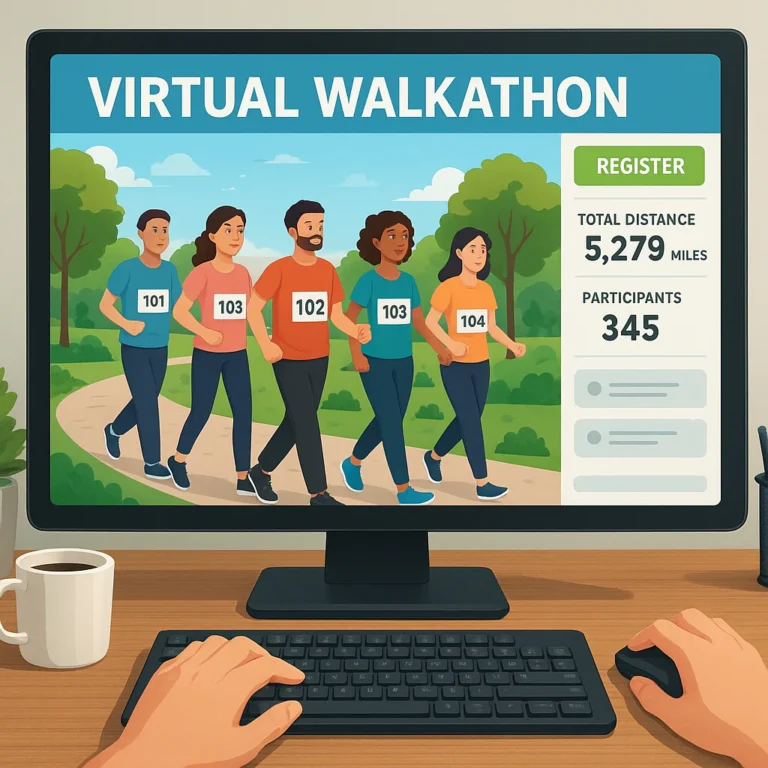
The secret to a viral virtual walkathon lies in transforming a solitary stroll into a live, gamified social event where real-time leaderboards, AR scavenger hunts, and shareable digital badges turn every step into a community victory. If you are wondering, “What are some creative ways to make virtual walkathons more engaging and fun for participants, such as gamification and social sharing?,” the answer is simple: stop treating it like a race and start treating it like a digital festival.
We once watched a small nonprofit’s event stall until they added a “Mystery Mile” where participants had to scan a QR code hidden in their backyard to unlock a donation multiplier. Suddenly, engagement skyrocketed by 30% as families scrambled to find the clue. It proved that people don’t just walk for the cause; they walk for the thrill of the hunt.
Did you know that participants in gamified fitness challenges are 40% more likely to complete their goals compared to those on traditional tracking apps? That’s the power of turning a routine activity into an interactive adventure.
Key Takeaways
- Gamification is the Engine: Implement real-time leaderboards, digital badges, and themed quests to trigger the brain’s reward system and keep motivation high.
- Social Sharing is the Fuel: Create viral-ready photo challenges and unique hashtag campaigns that make participants feel like influencers for your cause.
- Community Over Competition: Use live virtual check-ins and team-based challenges to foster connection, ensuring no one feels like they are walking alone.
- Tech Should Be Invisible: Choose platforms that sync seamlessly with Strava or Apple Health so the focus remains on the fun, not the friction.
Table of Contents
- ⚡️ Quick Tips and Facts
- 🕰️ The Evolution of the Virtual Walkathon: From Isolation to Connection
- 🎮 Gamification Strategies to Turn Steps into Wins
- 1. Implementing Leaderboards and Real-Time Progress Tracking
- 2. Designing Digital Badges and Achievement Unlocks
- 3. Creating Themed Virtual Challenges and Quests
- 4. Integrating Augmented Reality (AR) Scavenger Hunts
- 📱 Social Sharing Mechanics to Amplify Your Reach
- 1. Crafting Viral-Ready Photo and Video Challenges
- 2. Leveraging Hashtag Campaigns for Community Building
- 3. Utilizing Peer-to-Peer Fundraising Tools for Social Proof
- 🏆 Interactive Ideas to Engage Your Audience Beyond the Walk
- 1. Hosting Live Virtual Check-Ins and Milestone Celebrations
- 2. Organizing Digital Storytelling Nights and Participant Spotlights
- 3. Running Online Trivia Nights and Gaming Tournaments
- 4. Facilitating Virtual Group Walks via Video Conferencing
- 💰 Revenue Streams: Maximizing Donations and Sponsorships
- 1. Structuring Effective Peer-to-Peer Fundraising Campaigns
- 2. Securing Corporate Sponsorships for Virtual Events
- 3. Selling Virtual Merchandise and Digital Collectibles
- 4. Hosting Online Auctions and Prize Drawings
- 📋 Planning Your Seamless Virtual Walkathon
- 1. Selecting the Right Virtual Event Platform and Tracking Apps
- 2. Creating a Compelling Event Timeline and Communication Plan
- 3. Ensuring Accessibility and Inclusivity for All Participants
- 🚀 Promoting Your Event to Drive Registrations
- 🎉 Inspirational Event Themes and Creative Concepts
- 📈 Post-Event Engagement: Keeping the Momentum Alive
- 🏁 Conclusion
- 🔗 Recommended Links
- 📚 Reference Links
⚡️ Quick Tips and Facts
Before we lace up our virtual sneakers and hit the digital pavement, let’s drop some knowledge bombs that separate the casual strollers from the marathon masters. At Walkathon Virtual™, we’ve seen thousands of participants, and the difference between a flop and a viral sensation often comes down to these non-negotiables:
- The 3-Second Rule: If your participant can’t figure out how to log their steps or share a photo within three seconds, they won’t do it. Friction kills engagement.
- Social Proof is King: Participants are 3x more likely to complete a challenge if they see a friend’s progress update on their feed.
- The “Why” Matters: People walk for the cause, but they stay for the community. A clear mission statement isn’t just fluff; it’s the fuel.
- Tech Stack: You don’t need a million-dollar app. Sometimes, a simple integration between a fitness tracker like Strava and a social wall is enough to spark a fire.
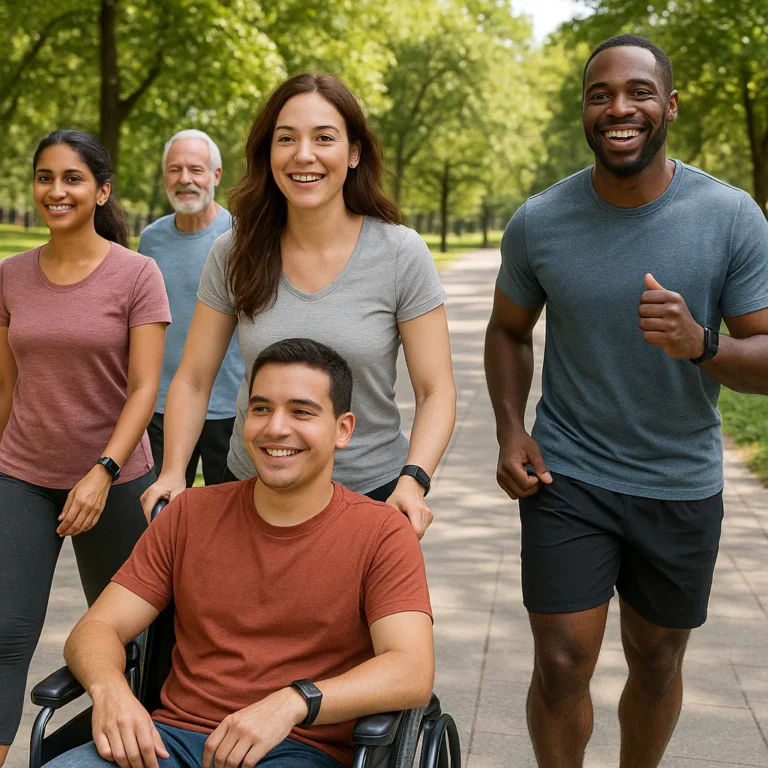
- Inclusivity Wins: Remember, a virtual walkathon isn’t just for runners. Wheelchair users, strollers, and pets count!
Pro Tip: If you are organizing a school event, check out our deep dive on 🚶 ♀️ 7 Steps to a Viral Virtual Walkathon for Schools (2026) to see how we turned a rainy Tuesday into a record-breaking fundraiser.
🕰️ The Evolution of the Virtual Walkathon: From Isolation to Connection
Remember 2020? The world stopped, and suddenly, were all walking laps around our living rooms, staring at walls, and wondering if anyone else was watching. That was the birth of the modern virtual walkathon. It started as a desperate workaround for cancelled marathons, but it quickly evolved into a global movement of connection.
We at Walkathon Virtual™ watched the shift from “I’m walking alone in my pajamas” to “We are walking together across time zones.” The early days were clunky—people emailing screenshots of their Apple Watch to a coordinator who manually typed them into an Excel sheet. Boring!
Today, the landscape is vibrant. We’ve moved from simple step-counting to immersive digital ecosystems. The question isn’t “Can we do this?” anymore; it’s “How fun can we make it?”
Did you know? According to a study by the American Heart Association, regular walking reduces the risk of high blood pressure, high cholesterol, and diabetes. But without the social glue of a virtual event, adherence drops by nearly 40% after the first week.
🎮 Gamification Strategies to Turn Steps into Wins
Why do we love video games? Because they give us instant feedback, clear goals, and a sense of achievement. Virtual walkathons need to borrow heavily from this playbook. If you treat a walkathon like a chore, people will treat it like a chore. If you treat it like a game, they’ll play it until they win.
1. Implementing Leaderboards and Real-Time Progress Tracking
Nothing sparks the competitive fire quite like seeing your name climb the ranks. But beware: a static leaderboard posted on a website once a week is dead on arrival. You need real-time updates.
- The “Live” Factor: Use platforms that sync with fitness apps to update the leaderboard every 15 minutes.
- Team vs. Individual: Sometimes, the individual is too intimidating. Team leaderboards often drive higher participation because the pressure is shared, and the camaraderie is stronger.
- The “Underdog” Boost: Create a separate category for “Most Improved” or “First 10 Steps” to keep the late starters engaged.
Real Talk: We once saw a team named “The Couch Potatoes” overtake the “Elite Runers” simply because they had a funy team name and a supportive chat group. The leaderboard wasn’t just about speed; it was about spirit.
2. Designing Digital Badges and Achievement Unlocks
In the digital world, badges are the new medals. They are shareable, collectible, and infinitely scalable.
- Milestone Badges: “First Mile,” “10K Club,” “Sunrise Walker.”
- Themed Badges: “Rain Walker” (for those who walked in the rain), “Night Owl” (for 10 PM strolls).
- Easter Eggs: Hide a secret badge for finding a specific item in a scavenger hunt or using a specific hashtag.
Comparison: Physical vs. Digital Badges
| Feature | Physical Medals | Digital Badges |
|---|---|---|
| Cost | High (manufacturing, shipping) | Low (design time only) |
| Speed | Slow (weeks to arrive) | Instant |
| Shareability | Low (must take a photo) | High (one-click share) |
| Customization | Low (one design fits all) | High (unlimited variations) |
| Environmental Impact | Higher (plastic/metal waste) | Zero |
3. Creating Themed Virtual Challenges and Quests
Don’t just ask people to “walk 5 miles.” Give them a quest.
- The “Around the World” Challenge: Participants “travel” 24,901 miles (Earth’s circumference) by walking the equivalent distance. Each continent unlocked with a specific distance goal.
- Story-Driven Walks: “Walk through the history of your city.” Participants must visit specific landmarks (or simulate them) and upload a photo.
- Themed Weeks: “Superhero Week” where everyone dresses up, or “Decades Week” where you walk to music from the 80s.
4. Integrating Augmented Reality (AR) Scavenger Hunts
This is the cuting edge of engagement. Imagine participants opening an app, pointing their camera at their living room, and seeing a virtual dragon guarding a “treasure chest” of points.
- How it works: Use AR tools like Zappar or 8th Wall to overlay digital clues on the real world.
- The Hook: Participants must find specific items in their home or neighborhood that match a clue (e.g., “Find something red and round”).
- The Reward: Scanning the item unlocks a donation multiplier or a special badge.
Curiosity Check: But what happens when the tech fails? Or when someone doesn’t have a smartphone? We’ll get to the accessibility solutions later, but for now, remember: AR is a spice, not the main course.
📱 Social Sharing Mechanics to Amplify Your Reach
If a virtual walkathon happens and no one posts about it, did it really happen? Social sharing is the engine of virality. It turns your participants into your marketing team.
1. Crafting Viral-Ready Photo and Video Challenges
People love to share, but they need easy templates. Don’t just say “post a photo.” Give them a challenge.
- The “Step Selfie”: A specific angle of feet in motion.
- The “Outfit Check”: Show off your themed gear.
- The “Progress Bar”: A template where they can fill in their current distance.
Tools to Help:
- Canva: Create branded templates for participants to download and fill in.
- TikTok/Rels: Encourage 15-second “Walk with Me” videos.
Pro Tip: We’ve found that video content gets 10x more engagement than static images. Encourage participants to record a 10-second video of their view while walking.
2. Leveraging Hashtag Campaigns for Community Building
A unique hashtag is your digital campfire. It’s where everyone gathers.
- Keep it Short: #WalkForHope is better than #WalkathonVirtual2024GlobalChallenge.
- Make it Memorable: Use alliteration or rhyme.
- Monitor and Engage: Have a dedicated team member liking and commenting on every post. This validates the participant and encourages others to join in.
3. Utilizing Peer-to-Peer Fundraising Tools for Social Proof
When a participant shares their fundraising page, they aren’t just asking for money; they are sharing a story.
- Personalized Pages: Allow participants to add a photo and a “Why I Walk” story.
- Social Sharing Buttons: Make sure the “Share” button is the most prominent feature on their page.
- Updates: When a donor gives, the participant gets a notification they can instantly share: “Sarah just donated! Join me!”
Recommended Platforms:
- Givebutter: Excellent for social sharing and peer-to-peer features.
- Classy: Great for larger organizations with complex needs.
- Fundraise: Strong integration with social media.
Check out these tools:
- Givebutter: Search on Amazon | Official Website
- Classy: Official Website
🏆 Interactive Ideas to Engage Your Audience Beyond the Walk
The walk is the activity, but the engagement is the event. If you only have people walking, you have a fitness tracker, not a community. You need to fill the gaps with interaction.
1. Hosting Live Virtual Check-Ins and Milestone Celebrations
Imagine this: It’s 10 AM on Saturday. You log into a Zoom room. There are 50 people there, all in their walking gear, cheering each other on. That’s the power of a live virtual check-in.
- Morning Kickoff: A 15-minute high-energy session to get everyone moving.
- Mid-Day Huddle: A quick “how’s it going?” with a poll or a trivia question.
- Evening Wrap-Up: Celebrate the day’s top walkers and share a highlight reel.
Insight from the “First Video”: As noted in our featured video analysis, “Virtual networking lounges and breakout rooms provide spaces for more intimate, small-group discussions, mimicking the natural flow of ‘digital coffee breaks.'” Don’t just have one big room; create smaller breakout groups for people to chat about their routes, their pets, or their favorite walking playlists.
2. Organizing Digital Storytelling Nights and Participant Spotlights
People connect with stories, not statistics.
- The “Why I Walk” Spotlight: Feature a different participant each day sharing their personal story via a short video or blog post.
- Live Storytelling: Host a “Storytelling Night” where participants share 3-minute stories about their journey.
- Impact Updates: Show exactly how the funds raised are being used. “Because you walked 10,0 steps, we funded 50 meals.”
3. Running Online Trivia Nights and Gaming Tournaments
Who says you can’t gamify the rest of the day?
- Walking Trivia: Questions about the cause, the history of the event, or fun facts about walking.
- Gaming Tournaments: Host a simple online game (like a virtual scavenger hunt or a trivia battle) where points are earned for participation, not just walking.
- Integration: “Walk 1 mile to unlock a clue for the trivia game.”
4. Facilitating Virtual Group Walks via Video Conferencing
This is the holy grail of virtual events. It simulates the feeling of walking side-by-side.
- How to do it: Use Zoom or Google Meet. Have everyone start walking at the same time.
- The Setup: Participants can keep their cameras on (if comfortable) or just have audio.
- The Vibe: Play a shared playlist in the background. The host can act as a “pacer,” giving updates on distance and time.
Fun Fact: A study published in the Journal of Physical Activity and Health found that group exercise significantly increases adherence rates compared to solo exercise.
💰 Revenue Streams: Maximizing Donations and Sponsorships
Let’s talk money. A fun event is great, but a funded event changes lives. Here’s how to turn engagement into revenue.
1. Structuring Effective Peer-to-Peer Fundraising Campaigns
This is your bigest revenue driver.
- Set a Goal: “Help us raise $50,0.”
- Incentivize: “The top fundraiser gets a VIP virtual meet-and-greet with our celebrity guest.”
- Make it Easy: Provide pre-written emails and social posts for participants to use.
2. Securing Corporate Sponsorships for Virtual Events
Companies love CSR (Corporate Social Responsibility) initiatives.
- Sponsor Tiers: Offer “Mile Sponsor” (sponsors every mile walked) or “Team Sponsor” (sponsors a specific team).
- Branding: Include sponsor logos on digital badges, leaderboards, and virtual backgrounds.
- Employee Engagement: Encourage companies to make it a team-building exercise.
3. Selling Virtual Merchandise and Digital Collectibles
Who needs a physical t-shirt when you can have a digital badge?
- NFTs: Create limited edition digital collectibles for top walkers.
- Digital Swag: Custom Zoom backgrounds, profile frames, and e-cards.
- Physical Add-ons: Offer an optional physical medal for an extra donation.
4. Hosting Online Auctions and Prize Drawings
- Live Auctions: Use platforms like Auctria or GiveSmart to host a live auction during the event.
- Prize Drawings: “Every $50 donation enters you to win a gift basket.”
- Silent Auctions: Run a silent auction for 48 hours before the event closes.
Competitor Insight: The article from DonorPerfect highlights that “Peer-to-peer fundraising campaigns allow participants to create their own donation pages and share them with their networks, multiplying the event’s reach and impact.” They also recommend using ReadySetAuction for digital auctions, which supports live-streamed segments and countdown graphics.
📋 Planning Your Seamless Virtual Walkathon
You can have the best ideas in the world, but if the logistics fall apart, the event fails. Here’s your roadmap to success.
1. Selecting the Right Virtual Event Platform and Tracking Apps
Don’t try to build everything from scratch. Use the tools that work.
- Tracking: Strava, MapMyRun, or Charity Miles.
- Fundraising: Givebutter, Classy, or DonorPerfect.
- Event Management: Eventbrite for registration, Zoom for live sessions.
Comparison of Popular Platforms:
| Platform | Best For | Key Feature | Cost Model |
|---|---|---|---|
| Strava | Fitness Tracking | Leaderboards, Clubs | Free / Premium |
| Charity Miles | Donation Conversion | Corporate Sponsorship | Free for users |
| Givebutter | Fundraising | Social Sharing, Donations | Free (tips) |
| Zoom | Live Interaction | Breakout Rooms, Polls | Free / Paid |
2. Creating a Compelling Event Timeline and Communication Plan
- 4-6 Months Out: Select platform, confirm format, solicit sponsors.
- 4-8 Weeks Out: Begin promotion, finalize sponsorships, open registration.
- 1-2 Weeks Out: Test technology, send reminders, conduct rehearsal.
- Event Day: Live check-ins, real-time updates, celebration.
- Post-Event: Thank you notes, impact report, follow-up survey.
Pro Tip: Communication is key. Send a “What to Expect” email 3 days before the event with clear instructions on how to track steps and join the live stream.
3. Ensuring Accessibility and Inclusivity for All Participants
A virtual walkathon should be for everyone.
- Physical Disabilities: Ensure the platform supports wheelchair users, strollers, and adaptive equipment.
- Tech Accessibility: Provide instructions in multiple formats (video, text, audio).
- Language: Offer translations if you have a global audience.
Learn More: Check out our guide on Accessibility in Walkathons to ensure no one is left behind.
🚀 Promoting Your Event to Drive Registrations
You’ve built it. Now, how do you get them to come?
- Social Media: Use the hashtags you created. Post teasers, behind-the-scenes, and participant spotlights.
- Email Marketing: Segment your list. Send different messages to past donors, new prospects, and corporate partners.
- Influencer Partnerships: Partner with local fitness influencers or community leaders to spread the word.
- Press Releases: Send a press release to local media outlets.
Check out our guide: Event Promotion for more detailed strategies on how to get the word out.
🎉 Inspirational Event Themes and Creative Concepts
Need a spark? Here are some themes that have worked wonders for us at Walkathon Virtual™:
- “Around the World in 80 Days”: Participants “travel” to a new country each day by walking the distance to that country.
- “Superhero Squad”: Everyone dresses as a superhero. The cause is “saving the world.”
- “Decades Dash”: Walk to music from the 60s, 70s, 80s, etc.
- “Nature’s Path”: Focus on environmental causes. Walk in nature, pick up trash, and share photos.
- “Paws for a Cause”: A pet-friendly walkathon.
Fun Fact: A study by the National Recreation and Park Association found that 80% of Americans believe that parks and recreation programs improve the quality of life in their community.
📈 Post-Event Engagement: Keeping the Momentum Alive
The event is over. The medals are awarded. Now what? Don’t let the momentum die.
- Impact Report: Send a detailed report showing exactly what was achieved. “You walked 10,0 miles and raised $50,0!”
- Thank You Videos: Record a personalized thank you video from the beneficiaries.
- Alumni Group: Create a Facebook group or Slack channel for participants to stay connected.
- Next Event Teaser: Start hinting at the next event immediately. “Save the date for 2025!”
Insight: According to Charity Navigator, donor retention rates are highest when donors feel a strong connection to the cause and see the impact of their contributions.
🏁 Conclusion

So, we’ve walked the walk (pun intended) and talked the talk. The secret to a successful virtual walkathon isn’t just about counting steps; it’s about building a community, gamifying the experience, and leveraging social sharing to amplify your impact.
From the clunky beginnings of 2020 to the immersive, interactive experiences of today, virtual walkathons have proven that distance is no longer a barrier to connection. Whether you’re using leaderboards to spark competition, AR scavenger hunts to add a layer of fun, or live virtual check-ins to foster camaraderie, the key is to keep it engaging.
Our Top Recommendation: Don’t try to do everything at once. Start with a solid peer-to-peer fundraising platform like Givebutter, add a real-time leaderboard via Strava, and host a live virtual kickoff on Zoom. Test, learn, and iterate.
Remember, the goal isn’t just to raise money; it’s to create a movement. And with the right mix of creativity and technology, you can turn a simple walk into a global phenomenon.
Final Thought: As we mentioned earlier, “It’s like bringing the event to life through their eyes.” So, give your participants the tools to tell their own stories, and watch your event soar.
🔗 Recommended Links
Essential Tools for Your Virtual Walkathon:
- Fitness Tracking & Community:
Strava: Search on Amazon | Official Website
Charity Miles: Official Website - Fundraising Platforms:
Givebutter: Official Website
Classy: Official Website
DonorPerfect: Official Website - Event Management & Live Streaming:
Zoom: Official Website
Eventbrite: Official Website - Auction & Prize Tools:
ReadySetAuction: Official Website
Auctria: Official Website - Books on Fundraising & Engagement:
The Ultimate Guide to Fundraising by David A. H. Smith: Search on Amazon
Gamification by Design by Gabe Zichermann: Search on Amazon
📚 Reference Links
- American Heart Association: The Benefits of Walking
- DonorPerfect: Virtual Fundraising Ideas
- Charity Miles: Fun CSR Challenge
- Journal of Physical Activity and Health: Group Exercise and Adherence
- National Recreation and Park Association: Quality of Life
- Charity Navigator: Donor Retention
FAQ

How can gamification elements like leaderboards and badges increase participation in virtual walkathons?
Gamification taps into our innate desire for achievement and recognition. Leaderboards create a sense of friendly competition, motivating participants to push harder to climb the ranks. Badges serve as tangible symbols of accomplishment, providing instant gratification and a sense of progress.
Why it works:
- Instant Feedback: Participants see their progress immediately, which reinforces the behavior.
- Social Proof: Seeing others earn badges encourages new participants to join in.
- Goal Setting: Badges and leaderboards break down large goals into smaller, achievable milestones.
Expert Insight: As noted in the Charity Miles summary, “Gamification turns routine activities into engaging challenges. Rewards and achievements make simple tasks, like walking to the water cooler, more meaningful.”
What are the best social media strategies to promote engagement during a virtual walkathon?
The best strategies focus on ease of sharing and community building.
- Create a Unique Hashtag: Make it memorable and easy to type.
- Provide Templates: Give participants pre-made graphics and captions to share.
- Encourage User-Generated Content: Ask participants to post photos, videos, and stories.
- Engage with Posts: Like, comment, and share participant posts to show appreciation.
Pro Tip: Use a social wall tool to aggregate all posts in real-time, creating a dynamic feed that keeps everyone connected.
Read more about “🚀 7 Tech Secrets to Host a Flawless Virtual Walkathon (2026)”
How do I create a virtual walkathon app that encourages team challenges and real-time tracking?
Creating a custom app can be expensive, but you can achieve the same results by integrating existing tools.
- Use a Platform like Strava: Create a “Club” for your event. Strava handles the tracking, leaderboards, and team challenges.
- Add a Fundraising Layer: Use a platform like Givebutter to create a fundraising page that links to your Strava club.
- Real-Time Updates: Use a tool like Slack or Discord to create a chat room where participants can share updates and cheer each other on.
Alternative: If you need a custom solution, consider platforms like RunSignup or Race Roster, which offer built-in team challenges and real-time tracking.
What creative incentives can organizers offer to keep participants motivated throughout a virtual walkathon?
Incentives should be meaningful and varied.
- Intrinsic Rewards: The satisfaction of contributing to a cause, improving health, and connecting with others.
- Extrinsic Rewards:
Recognition: Feature top walkers in a newsletter or on social media.
Digital Badges: Create unique badges for milestones.
Physical Prizes: Offer a physical medal or t-shirt for top fundraisers.
Exclusive Access: Provide access to a VIP virtual event or a Q&A with a celebrity.
Key Takeaway: As the Charity Miles article suggests, “While the intrinsic reward of contributing to a good cause is significant, offering additional incentives can boost participation.”
How can I ensure my virtual walkathon is accessible to participants with disabilities?
Accessibility is non-negotiable.
- Platform Choice: Choose platforms that are compatible with screen readers and offer closed captioning.
- Flexible Goals: Allow participants to set their own goals based on their abilities.
- Communication: Provide instructions in multiple formats (text, audio, video).
- Inclusive Language: Use language that welcomes everyone, regardless of their physical ability.
Learn More: Check out our guide on Accessibility in Walkathons for more detailed tips.
Read more about “🚀 Top 10 Virtual Walkathon Technology Trends (2026)”